


refined cabin finishes and the Audi nameplate. Five years after launch it had become popular with urban commuters and younger
professionals seeking a compact car with upmarket appeal. This review covers ownership considerations: styling, powertrains,
driving manners, durability, running costs, typical faults and whether a 2013 A1 remains a sensible used buy.
Design and Build Quality
The A1’s looks are a major selling point — crisp body lines, a prominent single-frame grille and compact proportions create a sporty,
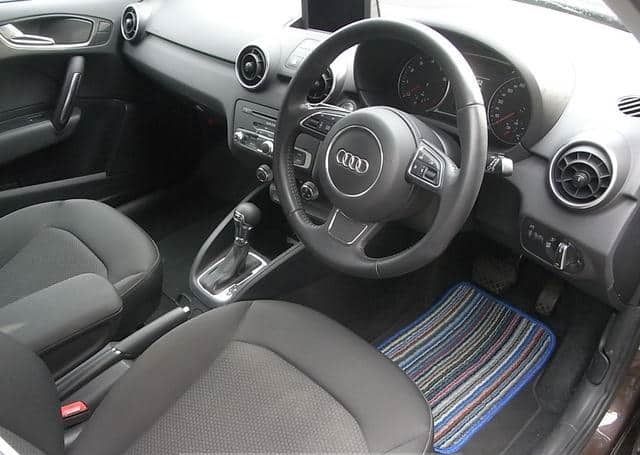
premium image. Buyers could personalise their cars with contrasting roof colours, alloy designs and styling packs. Inside, the cabin
feels a class above many rivals thanks to high-quality materials, precise controls and a driver-oriented layout. Rear-seat room is
limited and the boot is average for this class, but overall fit and finish remain typically Audi-like, even on older examples.
Engines and Performance
The 2013 A1 was available with a variety of petrol and diesel engines, from the modest 1.2 TFSI to the punchier 1.4 TFSI, plus 1.6
and 2.0 TDI diesels and sportier options like the 1.4 TFSI with cylinder deactivation or the S1. The 1.2 suits urban use and returns
good fuel economy but lacks brisk acceleration. The 1.4 is a more engaging all-rounder, balancing performance and efficiency, while
diesels offer strong torque and excellent long-distance economy for higher-mileage drivers.
The A1 handles with composure and a lively steering feel, making it enjoyable on twisty roads. Ride quality can feel firm, especially with
larger wheels or sports suspension, but the chassis is generally well-sorted for daily driving. Automatic and DSG gearboxes shift smoothly
when maintained; neglected DSGs can develop hesitant or rough shifting behaviour.
Fuel Economy & Running Costs
Economy depends on engine and driving style. Expect around the low–mid 40 mpg (UK) for the 1.2 TFSI in mixed use, mid-50s for a
carefully driven 1.4 TFSI, and high-50s to 60+ mpg for the 1.6 TDI on longer trips. Insurance groups are moderate for the class but rise for
higher-spec and performance models. Running costs are reasonable for a premium small car, though parts and labour can be pricier than
mainstream alternatives.

Reliability & Common Issues
Reliability is generally acceptable but there are recurring issues owners report:
-
- DSG mechatronic problems or harsh shifts if fluid/filter services are missed.
-
- Wear to ignition coils and spark plugs on TFSI petrol engines, causing misfires if neglected.
-
- Wastegate or actuator faults on some turbo engines, often linked to poor oil service history.
-
- Age-related electrical gremlins affecting infotainment, central locking or sensors.
-
- Suspension wear on high-mileage or city-driven cars, especially with larger wheels.
Most problems can be avoided or kept in check with regular servicing, thorough pre-purchase checks and adherence to Audi’s maintenance
schedule.
Maintenance & Ownership Tips
To minimise surprises as an owner:

-
- Verify a complete service history and that timing belt and major services were carried out on time.
-
- On DSG cars, ensure regular DSG oil and filter changes (intervals vary—check the exact specification).
-
- Check for oil leaks, turbo actuator play and inspect ignition coils/plugs on petrol models.
-
- Take a thorough test drive across speeds to detect transmission or turbo hesitation and unusual noises.
-
- Confirm recall work or software updates have been completed using the VIN at a dealer.
Comfort, Practicality and Tech
The interior presents a modern, well-made environment with options such as MMI infotainment, Bluetooth, sat-nav and premium audio.
Front seats are comfortable for long journeys; rear seats are best for children or short trips. Boot capacity is competitive for the class,
though roofline and body style affect load practicality. Sound insulation is good for the segment, although larger wheels can increase road
and tyre noise.
Depreciation and Resale
The A1, as a premium-branded supermini, lost value faster than some mainstream rivals initially, but prices tend to stabilise on the used
market. Well-kept cars with full service history and popular options retain value better, and performance or limited-edition models often
attract premiums from enthusiasts.
Pros
-
- Premium interior and strong build quality for its class.
-
- Attractive, compact styling with good customisation options.
-
- Engaging handling and composed chassis dynamics.
-
- Efficient engine choices, with diesels particularly suited to high-mileage use.
-
- Brand cachet and an overall sense of refinement.
Cons
-
- Limited rear space and only average boot volume compared with some rivals.
-
- Maintenance and repairs can cost more than non-premium alternatives.
-
- Certain engines and gearboxes need careful servicing to avoid problems (DSG, TFSI ignition components).
-
- Initial depreciation was steep; resale value depends heavily on condition and service records.
-
- Ride can be firm with larger wheels or sport suspensions.
Verdict
The 2013 AUDI A1 remains a compelling choice for buyers who want a small car with premium looks, a well-finished interior and enjoyable
driving manners. It suits urban commuters and professionals who value style and brand presence alongside competent dynamics. Buyers
should favour examples with full service histories, check DSG and TFSI maintenance records and be prepared for slightly higher running costs
than mainstream alternatives.
If you’re after a compact car that feels a class above the average small hatchback, a well-maintained A1 2013 is worth considering. If you
prioritise maximum practicality, the lowest possible running costs or the simplest mechanicals, some mainstream rivals may be better
suited. Overall, the A1 is a strong option for those who value refinement and style in a compact package.


