

Description
Toyota Dyna Truck 2019 for Sale in Uganda
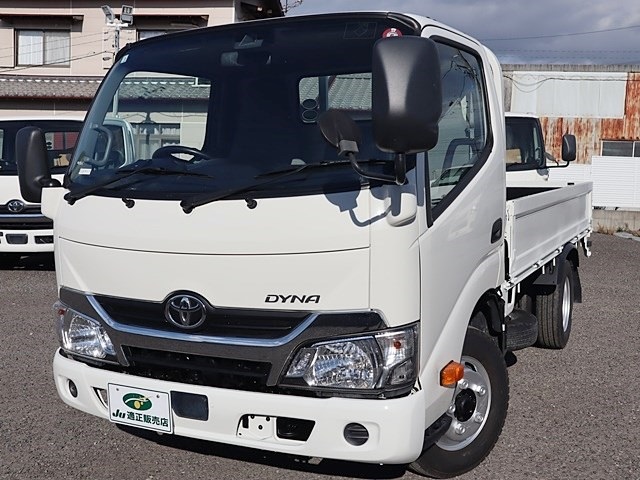
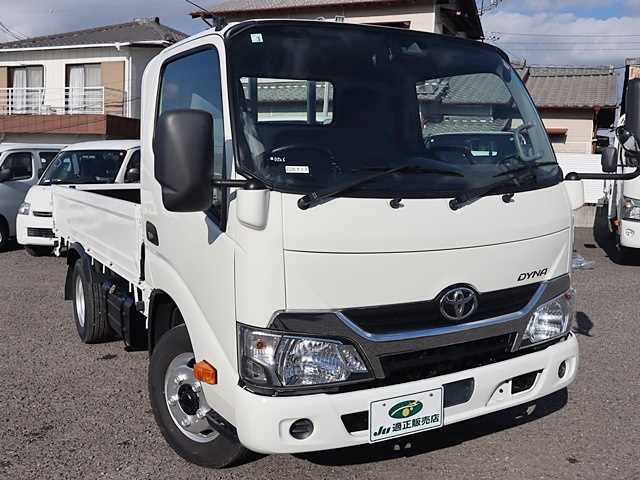
Are you looking for a reliable commercial truck to support your business? The Toyota Dyna Truck 2019 offers a practical option for businesses that transport goods regularly. Its commercial design supports deliveries, wholesale distribution, agricultural transportation, and suitable construction applications.
Car Dealer Uganda connects buyers with vehicle listings that suit different transportation needs. The Toyota Dyna deserves consideration if your business requires a dedicated cargo vehicle. Its…
Toyota Dyna Truck 2019 for Sale in Uganda
Are you looking for a reliable commercial truck to support your business? The Toyota Dyna Truck 2019 offers a practical option for businesses that transport goods regularly. Its commercial design supports deliveries, wholesale distribution, agricultural transportation, and suitable construction applications.
Car Dealer Uganda connects buyers with vehicle listings that suit different transportation needs. The Toyota Dyna deserves consideration if your business requires a dedicated cargo vehicle. Its chassis and body configurations can accommodate various commercial applications.
Whether you operate a hardware shop, distribute consumer products, or transport agricultural produce, your truck must match your workload. You need suitable cargo capacity, manageable operating expenses, and dependable mechanical performance. You should also consider maintenance requirements, road conditions, and the availability of replacement parts.
Toyota Dyna specifications vary by market, chassis, and engine configuration. Buyers may encounter different engines, transmissions, payload ratings, and cargo bodies. Always verify the exact specifications of the individual truck before purchasing.
Explore the Toyota Dyna Truck 2019 and discover how it could support your business operations in Uganda.
Why Choose the Toyota Dyna Truck 2019 in Uganda?
Businesses depend on transportation to move products between suppliers, warehouses, shops, farms, and customers. A suitable commercial truck helps organise these activities and supports consistent delivery schedules.
The Toyota Dyna Truck 2019 offers a work-focused platform for suitable goods transportation. Your choice of engine, chassis, and cargo body determines how effectively it serves your business.
A Practical Truck for Daily Business Operations
A dedicated cargo truck can simplify regular transportation tasks. You can use a suitable Dyna configuration for stock collection, wholesale deliveries, and distribution activities.
Retailers can transport merchandise between warehouses and branches. Hardware suppliers can deliver suitable building materials to customers. Agricultural traders can move produce between farms, collection centres, and markets.
The correct body style makes loading and unloading more convenient. Always confirm the truck’s rated payload before transporting heavy goods.
Versatile Cargo Transportation Options
The Toyota Dyna comes in different commercial configurations across various markets. Depending on the specific chassis, buyers may find dropside trucks, enclosed cargo bodies, and specialised conversions.
A dropside body offers convenient loading access for many types of goods. An enclosed box body helps protect suitable cargo from rain and dust. A compatible specialised body can support particular commercial requirements.
Availability depends on the individual vehicle. Inspect the chassis and confirm that any modifications suit your intended application.
Support for Growing Businesses
Growing businesses often need greater control over their delivery schedules. Owning a suitable truck can help coordinate deliveries and reduce reliance on external transport providers.
However, ownership requires careful financial planning. Consider the purchase price, fuel, servicing, insurance, tyres, and potential repairs.
Compare these expenses with your current transportation costs. The Toyota Dyna Truck 2019 may suit businesses whose regular workload justifies owning a commercial vehicle.
Toyota Dyna Truck 2019 Engine and Performance
Engine performance affects how effectively a commercial truck handles its daily workload. Consider your cargo weight, journey distances, road conditions, and delivery frequency before choosing a variant.
Engine Options and Specifications
Toyota Dyna trucks use different engines depending on the model, market, and chassis specification. Some variants feature diesel engines, while engine capacity and output differ across configurations.
Do not assume every 2019 Dyna uses the same engine. Check the engine code, chassis number, and vehicle documentation to establish the exact specification.
A suitable engine should provide adequate performance for your regular transportation duties. Consider whether your business operates mainly in urban areas or covers longer regional routes.
Performance for Commercial Transportation
Commercial trucks must handle regular journeys, loading activities, and changing road conditions. The Dyna’s work-focused design supports practical goods transportation when the configuration matches the job.
Urban deliveries often involve traffic, frequent stops, and repeated unloading. Longer routes may place different demands on the engine, transmission, and cooling system.
Cargo weight also affects performance. Avoid exceeding the manufacturer’s payload rating, even when the truck appears capable of carrying more.
Manual Transmission and Driving Control
Many commercial truck buyers consider manual transmission for its familiar operation and direct gear selection. However, the available gearbox depends on the exact Dyna variant.
During a test drive, check the clutch operation and gear changes. Listen for unusual noises and watch for signs of slipping or difficult engagement.
If the vehicle has an automatic transmission, check its operation according to the manufacturer’s procedures. Arrange a professional inspection if you notice hesitation, harsh shifts, or warning lights.
Toyota Dyna Truck 2019 Fuel Economy and Running Costs
Fuel expenses affect the profitability of transportation businesses. Choosing the right truck requires realistic expectations about fuel consumption and maintenance costs.
What Determines Fuel Consumption?
The Toyota Dyna Truck 2019 does not have one universal fuel-consumption figure. Engine type, transmission, cargo weight, road conditions, and driving style all influence fuel use.
A heavily loaded vehicle may consume more fuel than a lightly loaded truck. Congested roads and frequent acceleration can also increase consumption.
Ask the seller about the exact engine and configuration. Where possible, compare real-world figures from vehicles performing similar duties.
Practical Ways to Manage Fuel Expenses
Good driving habits can help control fuel costs. Encourage smooth acceleration, sensible speeds, and reduced unnecessary idling.
Maintain the recommended tyre pressure and follow the correct service schedule. Poor maintenance can increase fuel consumption and affect engine performance.
Plan delivery routes carefully to avoid unnecessary journeys. Combining nearby deliveries may improve efficiency and reduce operating expenses.
Calculate the Total Cost of Ownership
The purchase price represents only one part of truck ownership. Your budget should also include:
- Fuel and routine servicing.
- Engine oil, filters, and other maintenance items.
- Tyres, brakes, and suspension repairs.
- Insurance and registration requirements.
- Unexpected mechanical repairs.
- Cargo-body maintenance and modifications.
- Applicable taxes and import-related expenses.
Consider the financial impact of unexpected downtime. A truck that remains out of service can delay deliveries and disrupt customer commitments.
Toyota Dyna Truck 2019 Cargo Capacity and Body Styles
Cargo capacity should guide your commercial truck selection. The right configuration depends on the dimensions, weight, and handling requirements of your goods.
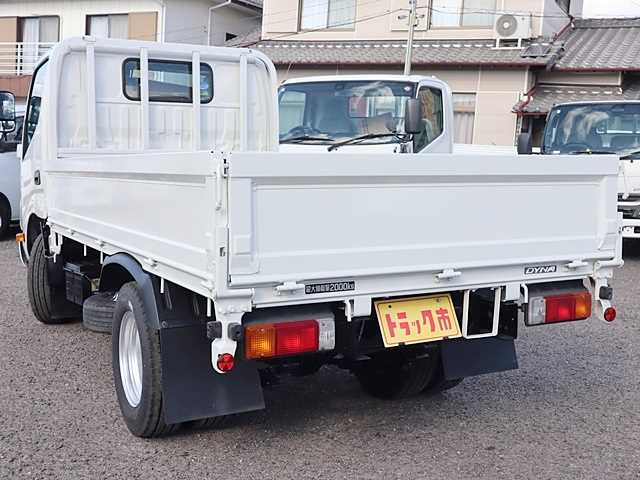
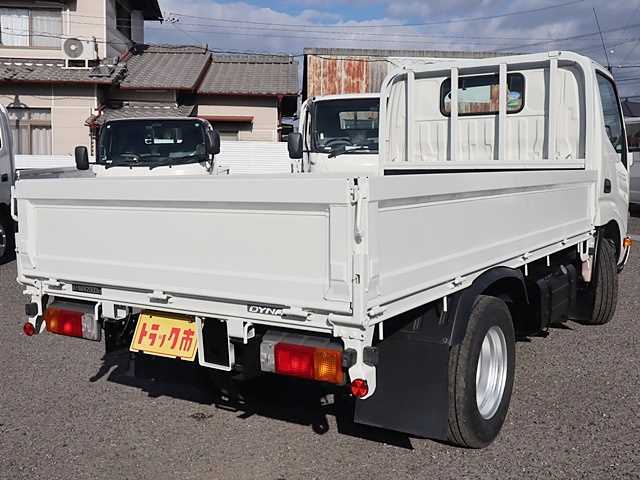
Toyota Dyna Dropside Truck
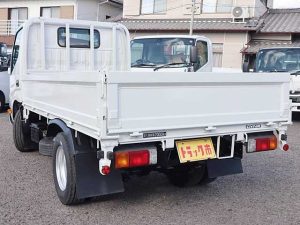
A dropside truck features hinged side panels that allow convenient loading from different sides. This design suits many businesses that transport general merchandise and suitable construction materials.
Hardware suppliers can use this configuration for suitable building products. Agricultural traders may also consider it for produce and farm supplies.
Before purchasing, check the cargo deck dimensions and rated payload. Make sure the truck accommodates your regular loads without exceeding its weight limits.
Toyota Dyna Box-Body Truck
An enclosed box body provides a covered cargo area for suitable goods. It helps protect products from rain, dust, and direct exposure to the elements.
Wholesale distributors and delivery companies may find this configuration useful. Retail businesses can also use it to transport packaged merchandise.
Check the internal cargo dimensions before making a decision. Confirm that the body, equipment, and cargo remain within the vehicle’s permitted weight limits.
Toyota Dyna Tipper Truck
A compatible tipper configuration can support the transportation and unloading of certain loose materials. Contractors and construction suppliers may consider this option for suitable applications.
Not every Dyna chassis supports every tipper conversion. Confirm chassis suitability, payload ratings, axle limits, and the condition of the tipping mechanism.
A qualified specialist should inspect any customised hydraulic equipment. Always follow the manufacturer’s operating and safety requirements.
Specialised Commercial Body Options
Some businesses need refrigerated, insulated, or customised cargo bodies. A suitable Dyna chassis may support certain specialist conversions.
Before buying a converted truck, check the body dimensions and remaining payload. Confirm the equipment’s condition and its suitability for your products.
Choose a professional conversion that meets applicable safety and regulatory requirements. Avoid modifications that compromise structural integrity or vehicle stability.
Understand Payload and Weight Limits
A large cargo deck does not automatically mean a truck can carry heavy loads. Check the manufacturer’s payload rating, gross vehicle weight, and axle limits.
The body, passengers, tools, and installed equipment contribute to the vehicle’s total operating weight. Overloading can affect braking, steering, stability, and mechanical durability.
Ask the seller for the specifications of the exact vehicle. Confirm that its capacity meets your business requirements before transporting goods.
Toyota Dyna Truck 2019 Exterior Design and Practicality
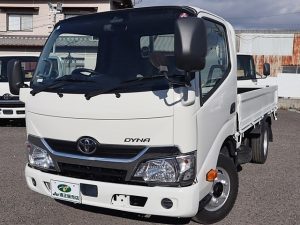
The Toyota Dyna features a commercial design that prioritises practical transportation. Its cab-over layout creates a distinctive appearance and makes efficient use of the available chassis length.
A Functional Commercial Design
The Dyna’s appearance reflects its role as a working vehicle. Its configuration supports businesses that need a dedicated platform for cargo transportation.
Depending on the fitted body, it can support deliveries, wholesale distribution, and suitable specialised applications.
A clean and well-maintained truck can also present a professional image to customers. Regular washing and timely repairs help preserve its appearance.
Convenient Cargo Access
Cargo access affects the time required to complete deliveries. Dropside bodies offer convenient side access, while enclosed bodies provide covered storage.
Consider your loading equipment, products, and delivery locations. Ensure the cargo area allows safe loading without unstable stacking or overloading.
Inspect the Chassis and Exterior
Commercial trucks often experience demanding working conditions. Inspect the chassis, cargo deck, body mounts, tyres, lights, and exterior panels carefully.
Look for corrosion, structural damage, uneven repairs, and poor-quality modifications. Pay particular attention to areas exposed to moisture and heavy loading.
A qualified mechanic can investigate concerns that require technical assessment.
Toyota Dyna Truck 2019 Interior and Driver Comfort
Commercial drivers may spend several hours behind the wheel each day. A functional cabin can make regular journeys more manageable.
A Practical Driver’s Cabin
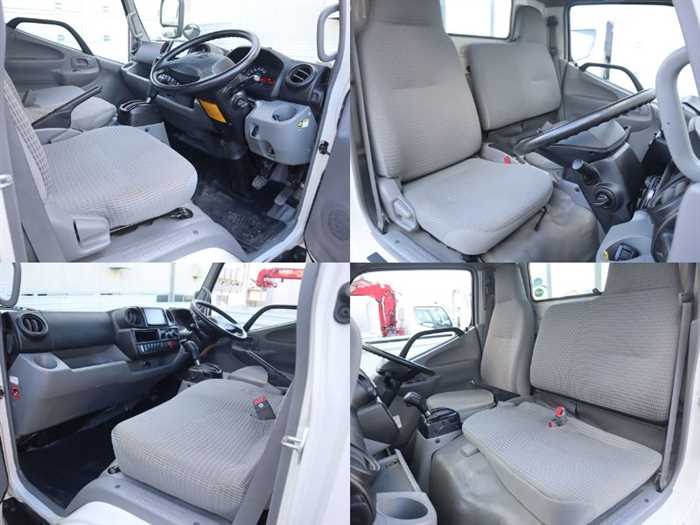
The Toyota Dyna focuses on straightforward commercial operation. Cabin equipment varies by trim and market.
Depending on the variant, you may find features such as power steering, air conditioning, or power windows. Confirm every advertised feature on the actual truck.
Test the cabin controls before making a purchase. Check the dashboard instruments, seat adjustment, door locks, windows, and ventilation system.
Driving Position and Visibility
The cab-over design provides a distinctive driving position. Properly adjusted mirrors help drivers monitor surrounding traffic and judge the vehicle’s position.
However, every commercial truck has blind spots. Drivers should check their surroundings before reversing, turning, or moving away from a loading area.
Consider the truck’s height and width when planning routes. Low structures, narrow roads, and restricted loading areas may affect accessibility.
Comfort During Daily Deliveries
A comfortable driving environment can support long working days. Functional ventilation, a suitable seat, and well-maintained cabin controls all contribute to everyday usability.
During inspection, check the seatbelts, mirrors, windows, air conditioning, and dashboard warning lights. Test all fitted equipment and investigate any faults before purchase.
Toyota Dyna Truck 2019 Safety Features
Safety should remain a priority when buying a commercial vehicle. Available equipment depends on the truck’s specification, market, and trim.
Braking and Vehicle Control
Braking equipment varies across Dyna configurations. Some variants may include anti-lock braking systems, depending on their specification.
ABS can help maintain steering control during certain hard-braking situations. However, it cannot prevent every collision or replace safe driving practices.
Inspect the brakes, tyres, steering, and suspension carefully. Ask a qualified technician to investigate unusual noises or dashboard warnings.
Occupant Protection
Airbags and other safety features vary by variant. Verify which systems the specific truck includes.
Check the seatbelts, mirrors, lights, door locks, and warning systems. Make sure essential safety equipment functions correctly before using the vehicle commercially.
Safe Cargo Loading
Correct loading helps protect the driver, other road users, and transported goods. Distribute cargo appropriately and secure it against movement.
Never exceed the rated payload or axle limits. Keep cargo clear of the driver’s visibility, mirrors, and vehicle lights.
Toyota Dyna Truck 2019 for Businesses in Uganda
Businesses across Uganda rely on transportation to move goods between suppliers, storage facilities, and customers. The Toyota Dyna may support these activities when its configuration matches the workload.
Retail and Wholesale Distribution
Retailers and wholesalers often move stock between warehouses, shops, and customers. A suitable Dyna can support scheduled deliveries and stock replenishment.
An enclosed body may suit goods that require additional weather protection. A dropside body may suit products that need convenient loading access.
Choose according to your cargo dimensions and handling requirements.
Construction and Hardware Supply
Hardware suppliers and contractors regularly transport tools, fittings, and building materials. A suitable Dyna configuration can help move these products between suppliers and project sites.
Heavy materials require careful attention to payload limits. Confirm the truck’s rated capacity before transporting cement, metal products, timber, or other substantial loads.
For loose materials, consider whether a compatible tipper configuration would better suit your business.
Agriculture and Produce Transportation
Agricultural businesses need suitable vehicles for moving produce, equipment, and supplies. The Dyna may support transportation between farms, collection centres, markets, and storage facilities.
Consider ventilation, weather protection, loading access, and cargo weight. Fresh produce may require different handling arrangements from packaged farm supplies.
Choose a body that protects your products and suits your delivery schedule.
Delivery and Logistics Companies
Delivery businesses need trucks that match their cargo volumes and operating routes. The Toyota Dyna can support suitable distribution and logistics activities.
Consider the number of daily deliveries, average load, journey distance, and unloading time. These factors help determine whether a particular configuration suits your operation.
Small and Medium-Sized Enterprises
A suitable truck can help growing businesses manage their delivery schedules. It may also reduce dependence on external transport providers for regular jobs.
However, assess your workload and finances before committing to ownership. Compare the cost of purchasing and operating the truck with your current transport expenses.
Toyota Dyna Truck 2019 Maintenance and Reliability
Regular maintenance helps protect a truck’s performance and supports dependable operation. Follow the manufacturer’s service schedule for the exact engine, transmission, and chassis.
Follow the Correct Service Schedule
Change engine oil and filters at the recommended intervals. Use fluids and replacement parts that meet the manufacturer’s specifications.
Inspect the cooling system, hoses, belts, battery, and other essential components. Address warning lights and unusual noises promptly.
Maintain Tyres and Brakes
Commercial trucks may carry substantial loads over varied road surfaces. Check tyre condition and maintain the recommended pressure for the operating load.
Inspect the brakes and suspension for wear or damage. Arrange professional repairs whenever components need attention.
Keep Accurate Service Records
Record servicing, repairs, and replacement parts. These records help you track maintenance and estimate future repair needs.
When buying a used Dyna, request available service documentation. Compare the records with the odometer reading and the truck’s actual condition.
Inspect the Engine and Fuel System
Engine maintenance depends on the specific configuration. For diesel variants, follow the manufacturer’s recommendations for fuel filters and fuel-system servicing.
Ask a qualified mechanic to investigate difficult starting, unusual smoke, or changes in performance. Confirm the engine specification before ordering replacement parts.
Toyota Dyna Truck 2019 Compared With Other Commercial Trucks
Comparing commercial vehicles helps you identify the best fit for your business. Consider payload, engine specifications, cargo options, maintenance needs, and purchase price.
Toyota Dyna Versus Smaller Delivery Vehicles
Smaller vans may suit businesses that transport compact loads and operate in restricted spaces. A Dyna may provide a more suitable platform for certain heavier or bulkier cargo requirements.
However, the best choice depends on actual payload and operating costs. Compare the dimensions and rated capacities of available vehicles rather than relying on appearance.
Toyota Dyna Versus Larger Commercial Trucks
Larger trucks may suit businesses with heavier loads or higher cargo volumes. They may also involve different purchase and operating expenses.
The Dyna may suit operations that do not require a larger vehicle. Choose a truck that handles your typical workload without paying for capacity you rarely use.
Select a Truck That Matches Your Business
The best truck is not necessarily the largest or most powerful. It is the vehicle that meets your requirements safely and economically.
List your typical cargo weights, delivery routes, and expected weekly mileage. Use this information to compare available Dyna variants and alternative commercial vehicles.
What to Check Before Buying a Toyota Dyna Truck 2019
A thorough inspection can help you avoid unexpected expenses. Review the vehicle’s documents, mechanical condition, and suitability for your intended work.
Verify the Model Year and Engine
Check the chassis and engine identification details against the registration documents. Confirm the advertised model year and the specifications of the individual vehicle.
Review Mileage and Service History
Compare the odometer reading with available service records. Ask about previous commercial duties, maintenance, and major repairs.
Mileage alone does not determine a truck’s condition. Maintenance quality, loading practices, and operating conditions also influence its current state.
Arrange an Independent Mechanical Inspection
Ask a qualified mechanic to assess the engine, transmission, brakes, suspension, steering, chassis, and electrical systems.
Where practical, arrange a road test. Observe gear changes, steering response, braking performance, dashboard warnings, and unusual noises.
Confirm the Cargo Body and Payload
Measure the cargo area and compare it with your products. Verify the rated payload and axle limits.
If the truck has a customised body, check the conversion’s quality and suitability. Ask whether the modifications affect the vehicle’s capacity or compliance requirements.
Review Documents and Total Purchase Costs
Check ownership documents, registration details, and import paperwork where applicable. Confirm the purchase price and any additional fees with the seller.
Include immediate servicing and necessary repairs in your budget. If the truck requires a body conversion, calculate those costs before committing.
Is the Toyota Dyna Truck 2019 a Good Investment?
The Toyota Dyna Truck 2019 may suit businesses that need a practical commercial vehicle for regular goods transportation. Its value depends on the condition, configuration, purchase price, and intended workload.
Buyers should evaluate the engine, transmission, payload, and cargo-body options. They should also consider maintenance requirements and access to suitable replacement parts.
A correctly specified truck can support organised deliveries and daily business operations. However, the model year alone cannot guarantee reliability or low running costs.
Compare available vehicles carefully and select one that meets your actual transportation needs.
Frequently Asked Questions About the Toyota Dyna Truck 2019
1. What is the Toyota Dyna Truck 2019?
The Toyota Dyna Truck 2019 is a commercial vehicle designed for goods transportation. Depending on its configuration, it can support distribution, agriculture, construction supplies, and other business applications.
2. Is the Toyota Dyna Truck 2019 suitable for Uganda?
A suitable configuration can support many Ugandan businesses, including retailers, wholesalers, agricultural traders, and contractors. Buyers should assess the vehicle’s condition, payload, and intended routes before purchasing.
3. What engine does the Toyota Dyna Truck 2019 have?
Engine specifications vary by model, chassis, and market. Check the engine code and vehicle identification details to confirm the exact engine.
4. Is the Toyota Dyna Truck 2019 diesel-powered?
Many Toyota Dyna configurations use diesel engines, but the fuel type depends on the specific variant. Verify the engine specification before purchasing.
5. How much fuel does the Toyota Dyna Truck 2019 consume?
Fuel consumption depends on engine type, transmission, cargo weight, road conditions, and driving habits. Request realistic figures for the exact vehicle and its intended workload.
6. What transmission options are available?
Transmission options vary across Dyna configurations. Confirm whether the specific truck has a manual or automatic gearbox before purchasing.
7. What cargo bodies are available for the Toyota Dyna Truck 2019?
Depending on the chassis, configurations may include dropside, enclosed box-body, tipper, or specialised commercial bodies. Confirm compatibility and payload ratings before choosing a conversion.
8. Can the Toyota Dyna Truck 2019 transport building materials?
A suitable variant can transport building materials within its rated payload and axle limits. Always confirm its capacity and secure the cargo correctly.
9. What should I inspect before buying a used Toyota Dyna Truck 2019?
Inspect the engine, transmission, chassis, brakes, tyres, suspension, cargo body, and electrical systems. Review the service history and vehicle documents, and arrange an independent mechanical inspection.
10. Where can I find a Toyota Dyna Truck 2019 in Uganda?
Visit Car Dealer Uganda at cardealer.ug to explore available vehicle listings. Compare specifications and prices, then confirm the truck’s condition and documentation with the seller.
Find Your Toyota Dyna Truck 2019 on Car Dealer Uganda
Are you ready to find a commercial truck for your business? Explore Car Dealer Uganda to check available Toyota Dyna listings and compare suitable transportation options.
Choose the engine, transmission, body style, and payload that match your daily workload. Review the service history and arrange a mechanical inspection before finalising your purchase.
Visit cardealer.ug today to explore commercial vehicles and find a Toyota Dyna that suits your business requirements.
Make an informed decision by comparing specifications, condition, and ownership costs. The right commercial truck can help you organise deliveries and manage your transportation needs more effectively.


