



Description
Toyota Noah 2026 for Sale in Uganda
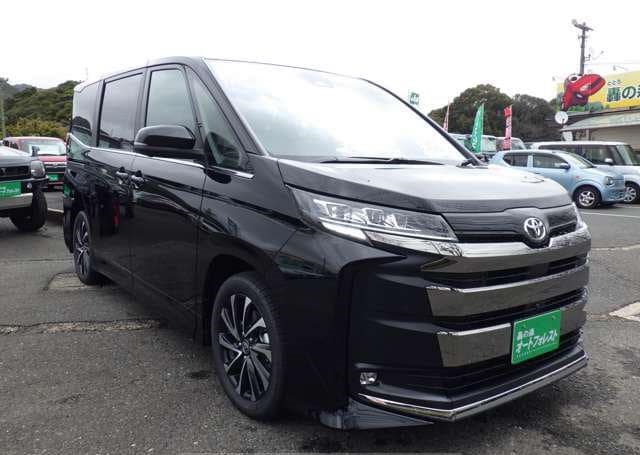
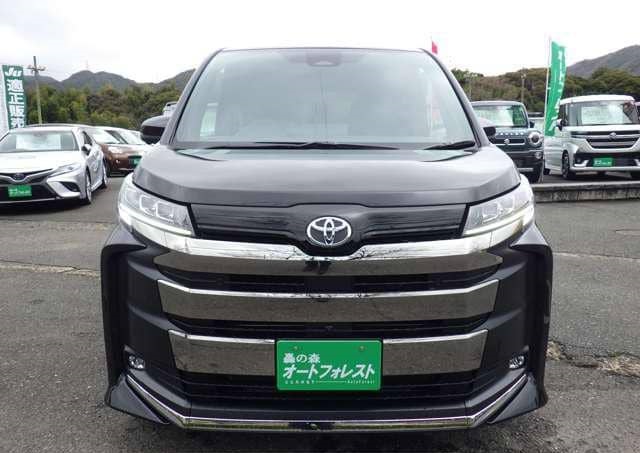
The Toyota Noah 2026 is a modern family van for buyers who want space, comfort, smart safety, and dependable Toyota ownership in one practical package. It suits school runs, church travel, family outings, staff transport, and everyday movement around town. Current Uganda-facing import listings already show 2026 Noah stock, including Japan-import hybrid units under model code ZWR90W, which confirms that the model has real…
Toyota Noah 2026 for Sale in Uganda
The Toyota Noah 2026 is a modern family van for buyers who want space, comfort, smart safety, and dependable Toyota ownership in one practical package. It suits school runs, church travel, family outings, staff transport, and everyday movement around town. Current Uganda-facing import listings already show 2026 Noah stock, including Japan-import hybrid units under model code ZWR90W, which confirms that the model has real market presence for Ugandan buyers right now.
A Newer Generation That Feels Properly Modern
The 2026 Noah sits in Toyota’s current fourth-generation Noah line, the generation Toyota launched in January 2022 on the TNGA GA-C platform. Toyota said this generation was developed to deliver more comfort, convenience, and peace of mind while preserving the strong box-shaped packaging and family-focused usability that made the Noah popular in the first place. That matters because the 2026 model gives you the current Toyota family-van platform, not an outdated carryover concept.
A Shape Built Around Useful Family Space
One of the strongest selling points of the Toyota Noah 2026 is how well it uses space. Toyota says the current Noah was designed to maximize cabin room while maintaining a practical box-like shape, and it offers both 7-seat and 8-seat layouts depending on grade and drivetrain. That flexibility matters in Uganda because different households and transport users want different cabin arrangements. Some want captain-seat comfort and easier access between rows, while others want maximum passenger capacity. The Noah gives both options in one manageable body.
Smooth 2.0 Petrol Power For Everyday Use
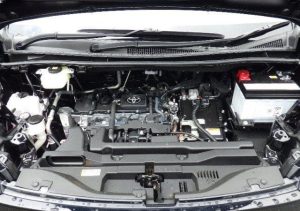
A major pillar of the Toyota Noah 2026 is the petrol version. Toyota’s current Noah specification in Hong Kong lists the 2.0-litre M20A-FKS Dynamic Force petrol engine with 170 PS and 202 Nm, paired with a Direct Shift-CVT. Toyota also says this setup improved fuel economy versus the previous generation in that market specification. This engine suits a family van very well because it gives enough strength for school transport, shopping trips, family highway travel, and normal city movement without making the vehicle feel harsh or difficult to manage. It delivers useful power, not unnecessary drama.
Hybrid Choice For Buyers Who Want Better Efficiency
The 2026 Noah also gives buyers a strong hybrid path. Toyota’s global launch material says the current hybrid Noah uses the 1.8-litre 2ZR-FXE engine with an updated hybrid system, stronger motor and battery performance, and better overall efficiency than the previous Noah hybrid. Toyota also states that the hybrid X 2WD reaches 23.4 km/l under the WLTC cycle. Current Uganda-facing 2026 listings support that real-world relevance because the active 2026 units showing up for Uganda are hybrid imports with 1,800 cc displacement. For buyers who want Noah practicality with a stronger fuel-saving angle, this is one of the van’s biggest strengths.
Drive Options That Match Different Needs
The Toyota Noah 2026 is not limited to one drivetrain style. Toyota says the petrol Noah is available in 2WD and 4WD, while the hybrid lineup is available in 2WD and E-Four. Toyota explains that the petrol 4WD system uses dynamic torque control to improve traction on slippery roads or during starts, while hybrid E-Four improves rear motor support and rear torque distribution for added stability. That matters in Uganda because some buyers want the simplicity of 2WD for town use, while others want more traction for rain, uneven roads, or travel outside the city.
Fuel Economy That Still Makes Sense
A family van must still feel sensible to run, and the Noah 2026 makes a strong case here. Toyota says certain petrol 2WD grades in the current Noah line reach up to 15.1 km/l under the WLTC cycle, while the hybrid X 2WD reaches up to 23.4 km/l. Toyota Hong Kong separately lists the petrol Noah at 14.6 km/L in its market specification. These figures will vary in real driving, but they show the Noah’s basic value very clearly. You get three-row practicality and family-sized space without giving up everyday running sense.
Comfort Features That Make Daily Travel Easier
The Noah remains attractive because it makes daily life easier, not because it depends on flashy marketing. Toyota says the current generation can be equipped with power sliding doors, large display-audio systems, connected navigation, in-vehicle Wi-Fi, and family-focused cabin layouts. Toyota Hong Kong’s current Noah page also highlights a 10-inch display and Apple CarPlay. Toyota further says the cabin uses a wide dashboard layout and blacked-out A-pillars to improve openness, while the interior arrangement was developed around comfort and ease of use for families. These are the features that help the Noah feel more complete than a basic people mover.
Safety That Supports Family Confidence
Safety is one of the clearest reasons to take the Toyota Noah 2026 seriously. Toyota says the current Noah includes a much stronger safety package than older Noah generations, with expanded Toyota Safety Sense features such as pre-collision support, emergency steering assist, proactive driving assist, lane change assist, front cross-traffic alert, and Safe Exit Assist on equipped versions. Toyota also offers Toyota Teammate features such as Advanced Park and traffic-congestion support on certain grades. In a family van, those features matter because buyers want more than seating capacity. They want reassurance for children, relatives, and daily passenger use.


The Main Pillars Of The Toyota Noah 2026
The main pillars of the Toyota Noah 2026 are easy to define. First, it gives you real three-row practicality. Second, it offers 7-seat and 8-seat flexibility. Third, it gives buyers a choice between a 2.0-litre petrol engine and a 1.8-litre hybrid system. Fourth, it offers 2WD, 4WD, and E-Four depending on version. Fifth, it adds a stronger safety and convenience package than older Noah generations. Sixth, current Uganda-facing listings already show 2026 hybrid stock, which means the vehicle is not only appealing in theory, it is already present in the market. These are the reasons the Noah 2026 stands out as a serious family vehicle for Ugandan buyers.
Why It Fits Uganda So Well
Ugandan buyers often want one vehicle that can handle family movement, school transport, church trips, business errands, and longer travel outside town. The Toyota Noah 2026 fits that role very well. It gives more seating than a sedan, more flexibility than a wagon, and more comfort than many older utility vans. It also gives buyers access to current Toyota safety systems, modern connectivity, hybrid efficiency, and a body style designed around real household needs. Contact Car Dealer Uganda today and choose a Toyota Noah 2026 that matches your family needs, transport goals, and daily lifestyle.
FAQs
-
Is the Toyota Noah 2026 a good car for Uganda?
Yes. It offers family space, flexible seating, modern safety, and dependable Toyota ownership in one practical van. -
What engine does the Toyota Noah 2026 use?
The current petrol Noah uses Toyota’s 2.0-litre M20A-FKS engine, while the hybrid uses the 1.8-litre 2ZR-FXE system. -
How many people can the Toyota Noah 2026 carry?
Depending on grade, the current Noah comes in both 7-seat and 8-seat layouts. -
Does the Toyota Noah 2026 come with 4WD?
Yes. Petrol models are available in 2WD and 4WD, while hybrid models are available in 2WD and E-Four. -
Is the Toyota Noah 2026 fuel efficient?
Yes. Toyota lists up to 23.4 km/l WLTC for the hybrid X 2WD and up to 15.1 km/l WLTC for certain petrol 2WD grades. Toyota Hong Kong lists the petrol Noah at 14.6 km/L. -
Can I actually find a Toyota Noah 2026 for sale for Uganda?
Yes. Current Uganda-facing import listings already show 2026 hybrid Noah stock with model code ZWR90W. -
What makes the Toyota Noah 2026 practical?
Its biggest strengths are three-row seating, sliding doors, strong cabin space, and family-focused convenience technology.


