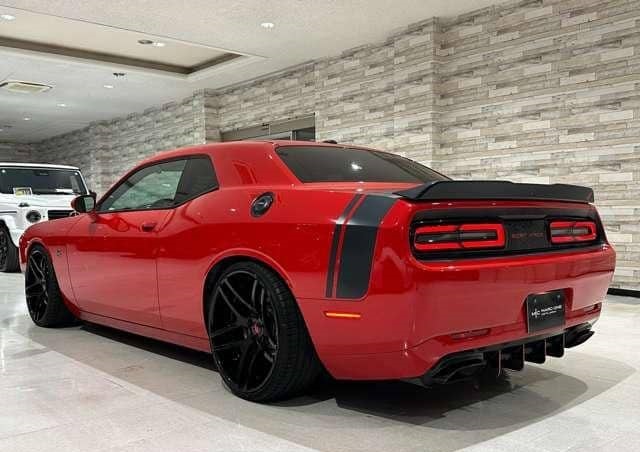
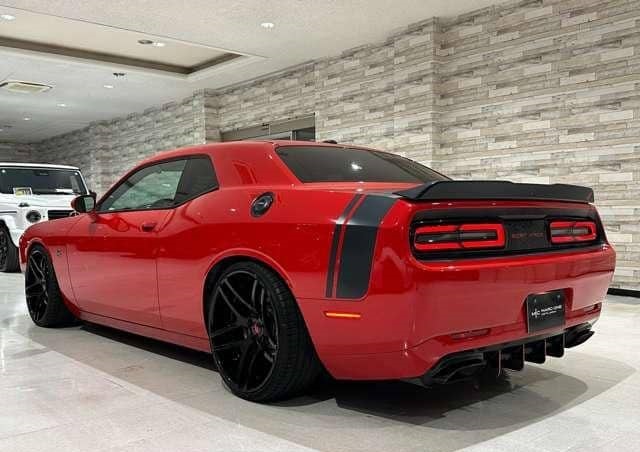
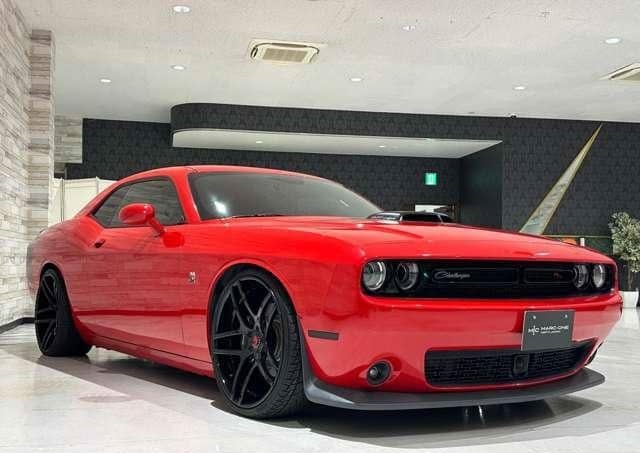
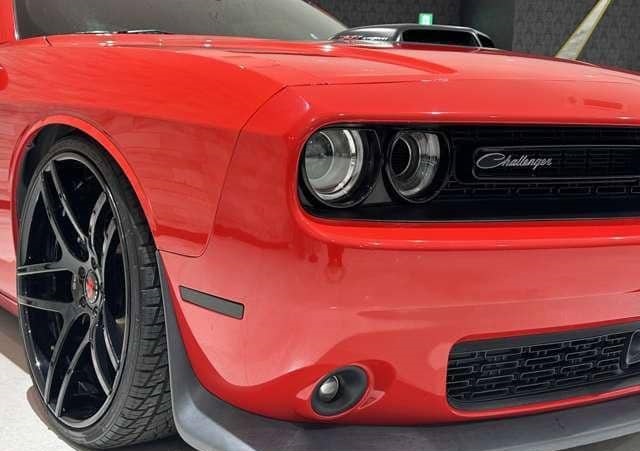
The 2017 Dodge Challenger, known for its muscular design and powerful performance, raises important considerations when evaluating its suitability for Uganda’s diverse road conditions. Given the country’s mix of well-paved highways and more challenging rural paths, the vehicle’s capabilities must be assessed in terms of both power and practicality. The Challenger’s rear-wheel drive configuration and sporty suspension can enhance driving pleasure on smoother surfaces, but may present challenges on uneven or unpaved roads common in many regions. Additionally, factors such as ground clearance and tire durability become crucial, particularly in areas prone to rough terrain and seasonal rains that can erode road quality. Fuel efficiency, given Uganda’s fuel prices and availability, also plays a significant role in determining the overall viability of this car for daily use. Ultimately, understanding the balance between performance and practical road adaptability is key for potential owners navigating Uganda’s unique driving landscape.
Introduction
The 2017 Dodge Challenger, with its muscular design and powerful performance, is an attractive option for many car enthusiasts. However, its suitability for Uganda’s diverse and often challenging road conditions raises some questions. This article explores factors like road performance, suspension, and overall durability to help you decide if this vehicle can handle the Ugandan terrain.
Road Performance
The primary challenge in Uganda is the variability of road conditions. Paved roads in urban areas can be well-maintained but rural routes often pose significant challenges.
The Challenger’s rear-wheel drive system may struggle on unpaved, rocky, or muddy surfaces typical in many rural areas. The heavy body and low ground clearance can lead to difficulties in rough terrains.
Engine Capability
Equipped with a powerful V6 or V8 engine, the Challenger provides sufficient torque for most driving situations. While that power can assist in traversing hilly areas, it might not be enough for consistently rough paths.
Suspension and Comfort
The Challenger’s suspension system is designed for performance. While it offers a great driving experience on smooth roads, its effectiveness diminishes on bumpy surfaces.
Many drivers in Uganda may find the ride uncomfortable over potholes and other irregularities common outside of city centers.
Interior Durability
The interior of the 2017 Challenger is stylish yet may not withstand the rigors of everyday Uganda scenarios. Dust and humidity can easily affect electronic systems, and leather seats may require constant maintenance.
Fuel Efficiency
Fuel efficiency is critical in Uganda, where fuel prices can be high. The Challenger doesn’t stand out in this department, especially with the V8 variant.
For daily commuting and longer journeys, a more fuel-efficient vehicle may save you money in the long run.
Maintenance and Repairs
Finding parts for American muscle cars like the Challenger can be challenging in Uganda. While some mechanics can handle repairs, specialized services might be needed, which may not always be readily available.
Regular maintenance is essential for performance, and any delays could lead to larger repair bills.
Resale Value
Due to limited demand for American muscle cars, the resale value of the Challenger may not be as high in Uganda compared to other vehicles. Prospective buyers might prefer vehicles that are more commonly found in the region.
Summary
The 2017 Dodge Challenger presents a striking option for those looking for power and style. However, its suitability for Uganda’s roads is limited due to factors like ground clearance, suspension comfort, and the availability of parts. For those primarily driving on well-maintained roads, it may serve well, but be prepared for higher maintenance costs in off-road conditions.
FAQs
1. Is the 2017 Dodge Challenger good for off-road driving?
No, the Challenger is designed primarily for paved roads and may struggle on rough terrains.
2. How is the fuel efficiency of the 2017 Challenger?
The Challenger is not very fuel-efficient, particularly the V8 variant, which may increase running costs.
3. What are the challenges of maintaining a Challenger in Uganda?
Finding parts can be difficult, and specialized service may be required, which might not be readily available.
4. Can the Challenger handle Uganda’s hilly areas?
While it has the power, it may not perform well on unpaved, steep, or rocky roads.
5. What interior materials does the Challenger use, and are they suitable for Uganda’s climate?
The interior features leather and other materials that may require regular care due to dust and moisture in Uganda.
The LAND ROVER DISCOVERY 3 2009, produced in 2009, embodies a robust design and advanced features that cater to off-road enthusiasts, making it a notable contender for Uganda’s diverse terrains....
The Land Rover Discovery 3 Manual Diesel 2008 is a robust vehicle well-suited for the varied terrains of Uganda, where off-road driving is often essential. Known for its advanced four-wheel...
The Land Rover Discovery 30-Diesel 2015 is a vehicle designed for both luxury and rugged terrain, making it a popular choice for adventurers in Uganda. With its powerful diesel engine,...
As an experienced car inspector in Uganda, I often encounter potential buyers eager to find a vehicle that meets their unique needs. Uganda’s diverse terrains—from bustling city streets to rugged...
Family owned dealership of new and pre-owned vehicles with several locations across the Uganda. Lowest prices and the best customer service guaranteed.
You're almost there, select at least one more to compare!
We use cookies to ensure that we give you the best experience on our website. If you continue to use this site we will assume that you are happy with it.
You can revoke your consent any time using the Revoke consent button.