

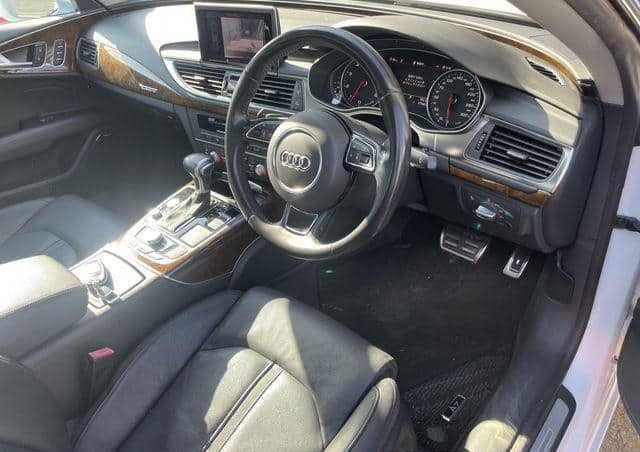
I can help — first: is this for a new or used 2013 AUDI A7 TFSI, and which country/market are you looking at? That changes available engines/options and common issues. Below is a general, practical guide to choosing the right spec for comfort, safety, handling and daily use.
Quick overview: what the 2013 A7 TFSI is (and why market matters)
The 2013 AUDI A7 was sold with a range of petrol and diesel engines depending on region: many markets had the 3.0 TFSI (supercharged V6) petrol and various TDI diesels; some countries also received smaller petrol options. Transmission choices, suspension options (conventional springs, sport suspension, or adaptive air suspension), and standard equipment varied by market and trim. That’s why asking whether you’re buying new or used and which market you’re in is a useful first step.

Deciding new vs used
- New: Rare for a 2013 model now — if somehow new-old-stock, expect full dealer history and warranty but check for recalled items and dealer updates.
- Used: Most common. Prioritise full service history, known maintenance items completed (timing-chain/tensioner updates if applicable, air suspension service, etc.), and a pre-purchase inspection (PPI) from an independent Audi specialist.
Comfort: what to prioritise
- Suspension: If comfort is a priority, aim for adaptive air suspension (if available and in good condition) or the standard comfort suspension. Sport or S-line suspension will improve handling at the cost of ride harshness.
- Seats & climate: Look for multi-way electric seats with lumbar support, memory, and optional ventilated/heated seats. Dual-zone climate and the upgraded automatic climate pack make daily life much nicer.
- Infotainment: The MMI unit with navigation/parking camera and Bose/upgrade audio greatly improves usability. Check that the MMI has been updated and that the screen and controls work reliably.
Safety: features to keep or add
- Driver aids: Park sensors and reversing camera are highly recommended for a car this size. Adaptive cruise and lane assist were optional on some models — useful but less common on 2013 cars.
- Brakes & tyres: Ensure the brake system is in good condition and tyres have good tread. High-performance wheels need appropriately rated tyres—avoid low-profile large wheels if you value safe, comfortable daily driving.
- Structural checks: On a used car, inspect for accident repairs, airbag warning lights, and corrosion in chassis/underside areas (depending on climate).
Handling: choosing the right setup
- Wheels & tyres: Smaller wheels with more sidewall (18–19″) give better ride comfort and predictable handling for daily use. 20″+ wheels improve grip and looks but increase pothole damage risk and reduce comfort.
- S-line and Quattro: An S-line spec typically has firmer suspension and sportier steering. Quattro (all-wheel drive) provides better traction in wet or slippery conditions and is a good pick for variable climates.
- Suspension tuning: Adaptive dampers let you switch between comfort and sport modes — excellent for a daily driver that sometimes wants sharper handling.
Daily use: fuel economy, reliability and costs
For daily driving you should balance economy with maintenance cost. Petrol TFSI engines deliver strong performance but can consume more fuel than diesels; diesels have better long-distance economy but may have higher costs for emissions-related components. Expect Audi service and parts to be pricier than mainstream brands; a well-documented service history and evidence of timely maintenance will reduce long-term surprises.
Options worth prioritising (used-buy checklist)
- Full service history and evidence of major services completed (timing chain/tensioner updates where relevant, valve cover/gasket jobs, air suspension checks).
- Adaptive air suspension in good working order (if comfort matters) — note that repairs can be costly.
- MMI navigation unit and rear camera/parking sensors for daily convenience and resale value.
- Heated and ventilated seats plus memory functions for long-term comfort.
- Quattro/all-wheel drive if you live in wet/cold regions.
Common issues to check for on a used 2013 A7 TFSI
- Air suspension faults: Compressors, leaks and valves can fail on cars equipped with air ride. Check for uneven ride height and listen for continuous compressor operation.
- Oil consumption and leaks: Some TFSI engines are known to use oil or develop leaks — check oil level and look for leaks at the valve cover and oil pan.
- Carbon build-up: Direct-injection engines can suffer from intake valve carbon deposit; look for rough idle, misfires or a history of walnut-blasting/intake cleaning.
- Electronics/MMI issues: Check operation of MMI, cameras, parking sensors, and instrument cluster for glitches.
- Brake and suspension wear: Large, heavy cars can wear brake discs and suspension bushes—inspect for uneven tyre wear and play in suspension components.
Final buying tips
Always get a test drive covering urban and highway conditions. Ask for a PPI from a trusted Audi specialist and prioritise examples with full services, known fault rectifications, and ideally a remaining warranty or return policy. Factor in likely maintenance items (tyres, brakes, battery, air-suspension checks) when setting your budget.
Final thoughts
Choosing the right 2013 Audi A7 TFSI spec comes down to your priorities: comfort (adaptive air suspension, premium seats, MMI), safety (park sensors, camera, well-maintained brakes/tyres), handling (appropriate wheel size, Quattro, optional S-line) and sensible daily-use choices (service history, reasonable mileage, known issues already addressed). Market differences and whether the car is new or used determine the exact engine and option availability, so start by confirming those details and then use the checklist above to narrow the best candidate.

FAQs
- Q: Should I choose the petrol TFSI or a diesel for daily driving?
- A: Petrol TFSI offers stronger performance and is fine for mixed driving; diesel is more economical for high-mileage or long-distance use. Consider maintenance and emission-related component costs for diesels.
- Q: Is air suspension worth it?
- A: Yes for ride comfort and adjustable ride height, but be cautious on used cars: repairs can be expensive. Verify proper operation and compressor history before buying.
- Q: What wheel size is best for daily comfort?
- A: 18–19 inch wheels generally give the best compromise of comfort and handling. Larger sizes improve looks and cornering but make the ride harsher and increase repair risk from potholes.
- Q: What are the top red flags when buying used?
- A: Incomplete service history, active warning lights, air suspension faults, signs of coolant or oil leaks, and unresolved MMI/electrical issues. Always get a specialist inspection.
- Q: How should I approach a pre-purchase inspection?
- A: Ask an Audi specialist to check the engine for leaks and oil condition, inspect the suspension (including air suspension), test drive across speeds and road types, verify MMI and electronics, and check for accident repairs or chassis damage.


