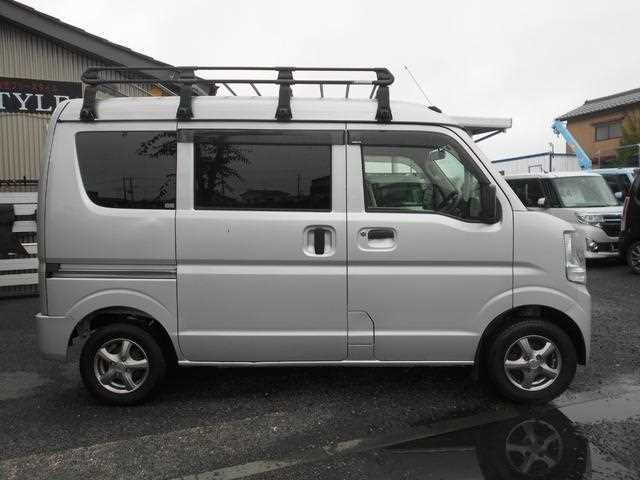
The Minicab has carved its niche in the world of city transportation. It serves as a practical vehicle for urban driving, particularly for light loads. Although not conceived with speed as a primary objective, the Minicab shines in several key areas of performance. This article will delve into its capabilities in an urban context, its potential limitations on highways, and provide valuable insights for potential owners.
Urban Driving: A Focus on Adequate Acceleration
When we think about city driving, the needs of drivers often differ significantly from those required for highway travel. The Minicab is optimized for the former, offering what can be termed as adequate acceleration for navigating through bustling street traffic. Powering through stoplights and maneuvering around slow-moving vehicles is where the Minicab truly excels.
Designed with the demands of urban environments in mind, the vehicle offers responsive handling and a comfortable driving experience. The acceleration capability suits city dwellers who frequently encounter stops and starts, ensuring a smooth transition from one traffic light to another.
Light Loads: A Practical Companion
The Minicab is particularly well-suited for those handling light loads such as deliveries or transporting small groups of passengers. With its efficient engine coupled with a design that maximizes cargo space, it becomes a pragmatic choice for businesses relying on quick, nimble transportation solutions.
In urban areas, the vehicle’s size allows it to weave through congested streets and find parking spaces where larger vehicles might struggle. This maneuverability, paired with its satisfactory acceleration, makes it ideal for short trips that define city life.
Highway Performance: A Different Scenario
While the Minicab performs commendably in urban settings, its behavior on highways can be a different story. It is essential to recognize that this vehicle isn’t designed for the types of speed demands typical of freeway driving. Acceleration from low to highway speeds may feel sluggish, particularly for drivers accustomed to more performance-oriented vehicles.
The vehicle can indeed reach highway speeds; however, the transition may not be as seamless as some may hope for. This discrepancy in performance is particularly noticeable when merging into fast-moving traffic or during overtaking maneuvers. Drivers may find themselves needing to plan ahead and allow ample time for maneuvers, as quick bursts of speed can be challenging.
Therefore, while the Minicab can handle light highway duties, it is advisable for owners to view it primarily as an urban vehicle rather than a highway cruiser. Its forte lies in managing the hustle and bustle of city life, while its limitations become apparent when tested against the demands of open road driving.
Driving Experience and Handling
In terms of handling, the Minicab offers a user-friendly experience. The steering is light and responsive, making city maneuvers stress-free. Parking, which can be a substantial challenge in urban environments, becomes significantly easier thanks to its compact size. Additionally, the turning radius of the Minicab is impressively tight, providing a level of agility that is highly valued by urban drivers.
Also, the vehicle’s suspension system is designed to absorb the bumps and jolts of uneven city streets. This adds to the overall comfort of the driving experience, allowing passengers to feel at ease as they traverse urban landscapes.
Final thoughts
In sum, while the Minicab is not crafted for high-speed adventures or aggressive highway driving, it stands tall as a reliable and competent urban vehicle. With adequate acceleration for city traffic, impressive maneuverability, and a focus on practicality, it caters well to drivers with light-load requirements. Highway performance may leave something to be desired, so prospective buyers should weigh their driving habits against the vehicle’s capabilities. Ultimately, the Minicab provides a blend of efficiency and comfort that is well-aligned with the demands of urban living.
Frequently Asked Questions (FAQs)
1. Is the Minicab suitable for long-distance travel?
While the Minicab can handle long-distance journeys, it is primarily designed for city driving. Drivers may find it less suited for extended highway travel due to its acceleration limitations.
2. How does the Minicab perform with heavier loads?
The Minicab is rated for light loads. While it can handle moderate weight, it may struggle with heavier loads, particularly during highway acceleration.
3. What kind of fuel efficiency can I expect from the Minicab?
The Minicab offers good fuel efficiency for a vehicle in its category, making it cost-effective for city driving scenarios.
4. Is the Minicab easy to park in crowded urban areas?
Yes, the compact size and tight turning radius of the Minicab make it ideal for parking and maneuvering in congested urban settings.
5. What engine options are available for the Minicab?
The Minicab typically comes with a small-displacement engine that balances adequate power for city driving with low fuel consumption. Specific engine options may vary by model year.
The MITSUBISHI Minicab is a versatile small van that caters to various commercial needs. Recognized for its compact design, practical features, and efficiency, the Minicab is a popular choice among...
When buying a vehicle, whether new or used, one critical aspect to evaluate is the integrity of its body panels. Body panels not only define a car’s aesthetic appeal but...
Airbags are vital safety features in modern vehicles, designed to reduce injury risk during collisions. They are deployed in a fraction of a second to provide a cushion to the...
Insurance is a necessary aspect of modern life, offering protection against unforeseen events that could result in significant financial loss. However, the costs associated with different types of insurance can...
Family owned dealership of new and pre-owned vehicles with several locations across the Uganda. Lowest prices and the best customer service guaranteed.
You're almost there, select at least one more to compare!
We use cookies to ensure that we give you the best experience on our website. If you continue to use this site we will assume that you are happy with it.
You can revoke your consent any time using the Revoke consent button.