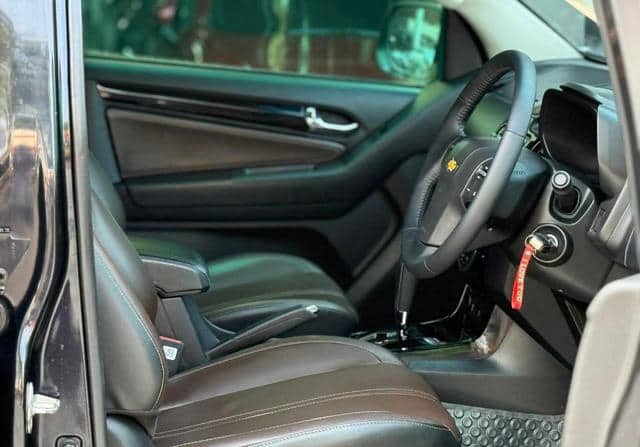
The Chevrolet Trailblazer 2.8 LTZ SUV, released in 2015, is designed to balance power with practicality, particularly appealing to those who frequently traverse Uganda’s diverse landscapes. Known for its robust diesel engine, this vehicle claims an impressive fuel efficiency, especially on highway journeys where consistent speeds can optimize consumption. The SUV’s aerodynamic design and advanced technology contribute to its fuel-saving capabilities, making it a favored choice for both urban and long-distance travel. However, real-world performance often varies based on driving habits, load capacity, and road conditions typical of Uganda’s highways. As such, potential buyers must consider these factors to ensure they make an informed decision about the Trailblazer’s suitability for their needs. Ultimately, while the vehicle is marketed for efficiency, thorough evaluations of its highway performance can provide deeper insights.
Introduction
The Chevrolet Trailblazer 2.8 LTZ SUV, launched in 2015, is often regarded for its style and performance. However, when it comes to highway driving, many potential buyers wonder about its fuel efficiency. In a country like Uganda, where long-distance travel on highways is common, fuel economy becomes a key factor.
Engine Specifications
The Trailblazer is equipped with a 2.8-liter turbo-diesel engine. This engine is designed to provide a balance of power and efficiency, making it suitable for both city commutes and long highway drives.
Power and Torque
With a power output of around 180 horsepower and a torque of 440 Nm, it delivers a solid performance, particularly for a vehicle of its size. This power is useful for overtaking and navigating hilly terrains common in Uganda.
Transmission Options
The SUV is available with a six-speed automatic transmission, which facilitates smoother gear changes, contributing to overall fuel efficiency, especially during highway cruising.
Fuel Efficiency on the Highway
When discussing fuel efficiency on highways, the Trailblazer 2.8 LTZ averages between 10 to 12 kilometers per liter. This figure can vary based on driving habits and road conditions.
Driving Conditions in Uganda
Uganda has a mix of well-maintained highways and rough roads. On smooth highways, drivers may find the higher end of efficiency, whereas rougher conditions could lead to a decrease in fuel economy.
Comparative Analysis
Compared to other SUVs in the same category, the Trailblazer stands competitively. Its fuel consumption is often better than larger gasoline engines, offering a practical option for families and long-distance travelers.
Cost of Ownership
Beyond fuel costs, consider maintenance and insurance when evaluating the Trailblazer. In Uganda, the parts for the Trailblazer are relatively accessible, and servicing is straightforward, which can save you money in the long run.
Resale Value
The demand for Chevrolet vehicles tends to hold steady in Uganda, which can positively impact resale value. A well-maintained Trailblazer can fetch a good price when it’s time to upgrade.
Driving Experience
The driving experience in the Trailblazer is notable, especially for highway driving. The SUV’s suspension is built to handle bumps and rough patches, making it comfortable for all passengers.
Safety Features
Safety is paramount for highway driving. The Trailblazer comes with essential safety features like airbags, anti-lock brakes, and stability control, contributing to a secure driving experience.
Summary
The Chevrolet Trailblazer 2.8 LTZ SUV is a practical vehicle for Ugandan highways. With decent fuel efficiency, solid power, and safety features, it provides a good choice for families and travelers alike. While fuel economy can vary based on conditions, its overall performance makes it a competitive option in the SUV market.
FAQs
1. What is the average fuel consumption for the Chevrolet Trailblazer 2.8 LTZ on the highway?
It averages between 10 to 12 kilometers per liter on the highway.
2. Is the Trailblazer suitable for rough roads in Uganda?
Yes, its suspension system is designed to handle rough terrains, making it suitable for Uganda’s road conditions.
3. What are the maintenance costs like for the Trailblazer?
The maintenance costs are moderate, with parts being relatively accessible in Uganda.
4. How does the Trailblazer perform during long-distance travel?
The Trailblazer is comfortable and efficient for long-distance travel, providing a good driving experience.
5. What safety features does the Trailblazer offer?
It includes airbags, anti-lock brakes, and stability control, ensuring a safe driving experience.
The LAND ROVER DISCOVERY 3 2009, produced in 2009, embodies a robust design and advanced features that cater to off-road enthusiasts, making it a notable contender for Uganda’s diverse terrains....
The Land Rover Discovery 3 Manual Diesel 2008 is a robust vehicle well-suited for the varied terrains of Uganda, where off-road driving is often essential. Known for its advanced four-wheel...
The Land Rover Discovery 30-Diesel 2015 is a vehicle designed for both luxury and rugged terrain, making it a popular choice for adventurers in Uganda. With its powerful diesel engine,...
As an experienced car inspector in Uganda, I often encounter potential buyers eager to find a vehicle that meets their unique needs. Uganda’s diverse terrains—from bustling city streets to rugged...
Family owned dealership of new and pre-owned vehicles with several locations across the Uganda. Lowest prices and the best customer service guaranteed.
You're almost there, select at least one more to compare!
We use cookies to ensure that we give you the best experience on our website. If you continue to use this site we will assume that you are happy with it.
You can revoke your consent any time using the Revoke consent button.