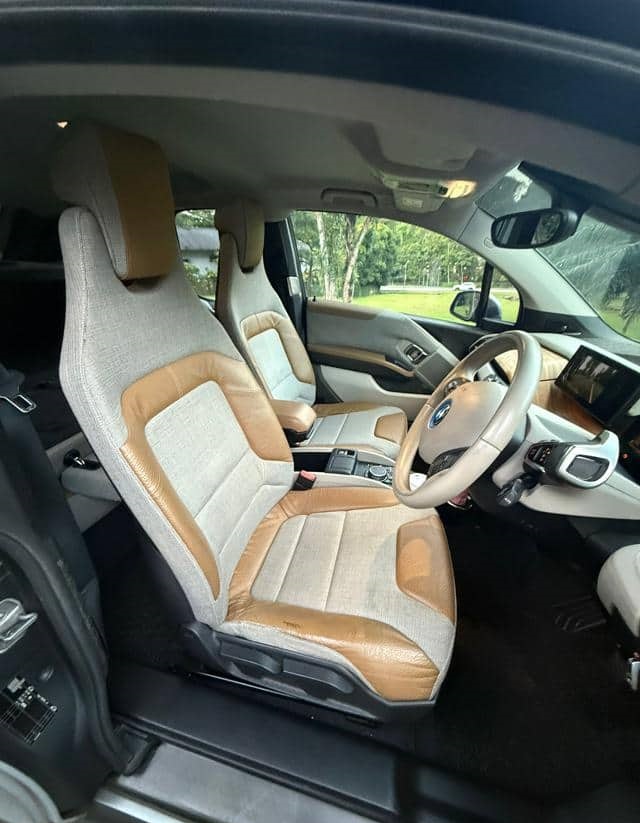
The BMW i3, introduced in 2015 as a pioneering electric vehicle, presents an intriguing option for Ugandan road conditions characterized by varied terrain and infrastructure challenges. With its compact size and innovative design, the i3 is well-suited for navigating urban environments, particularly in cities like Kampala where traffic congestion is prevalent. However, the suitability of this vehicle for rural areas, often marked by poorly maintained roads and unpaved surfaces, raises important considerations regarding its battery range and overall durability. Also, the availability of charging infrastructure in Uganda remains limited, potentially hindering the practicality of electric vehicles. Factors like climate variability and the need for regular maintenance also come into play, influencing the i3’s performance and reliability in the context of Ugandan driving conditions. As Uganda embraces electric mobility, evaluating the compatibility of such vehicles with local realities is essential for fostering sustainable transportation solutions.
Introduction
The BMW i3, launched in 2015, has garnered attention for its modern design and electric capabilities. However, as Ugandan roads present unique challenges, assessing the suitability of this vehicle for local conditions is essential. Let’s explore how the i3 measures up against the realities of Ugandan driving.
Design and Build
The i3 features a lightweight structure made mainly from carbon fiber and high-strength steel. This innovation contributes to its efficiency but may raise concerns about durability on uneven terrains common in Uganda.
Its compact size makes it easy to navigate congested urban areas like Kampala. However, the low ground clearance can be a disadvantage on poorly maintained roads, where potholes are frequent.
Electric Performance
With an electric motor and a modest range, the BMW i3 offers an eco-friendly alternative. However, the infrastructure for electric vehicle charging in Uganda is still developing. This leaves potential buyers weighing the benefits against the availability of charging stations.
It’s vital to consider daily travel needs. For short, urban commutes, the i3 could work well. Longer distances may require planning for charging, which may not be readily accessible outside major cities.
Ride Comfort and Handling
The i3 provides a comfortable ride on smooth surfaces. However, the suspension may struggle to absorb the jolts from uneven roads. Drivers should expect to feel more bumps compared to conventional vehicles.
While the handling is responsive in urban settings, drivers should proceed with caution on rural roads where conditions can be unpredictable.
Maintenance and Availability of Parts
Maintaining a BMW in Uganda can be challenging due to the limited availability of parts. The i3 may require specialized services, which are not widely available. Potential owners should consider the distance to authorized service centers and the cost of replacement parts.
Access to mechanics trained in electric vehicles is also critical, as they may not be as common as those skilled in traditional combustion engines.
Environmental Considerations
As environmentally friendly vehicles gain traction, the i3’s electric engine aligns with the growing push for sustainable transport in Uganda. The reduction in emissions contributes positively to air quality, especially in urban centers.
However, the environmental impact of battery production and disposal should also be considered, as it poses an ecological challenge that requires careful management.
Cost of Ownership
The initial cost of the BMW i3 can be higher than traditional vehicles. Nonetheless, savings on fuel—and potentially lower maintenance costs—can provide a balanced view over time.
Warranty options are worth exploring, as they can influence long-term expenses and ease concerns regarding reliability.
Summary
While the BMW i3 offers modern design and electric capabilities, its suitability for Ugandan road conditions depends on various factors. The challenges presented by local terrains, the availability of electric charging infrastructure, and maintenance logistics must be carefully considered. For urban driving and environmentally conscious individuals, it may still be a viable option, albeit with some limitations.
FAQs
Is the BMW i3 suitable for rough roads in Uganda?
Its low ground clearance may not perform well on uneven terrain, so caution is advised on poor roads.
What is the charging infrastructure for electric vehicles in Uganda?
The charging infrastructure is still developing, and access to stations can be limited outside major cities.
Are maintenance services available for the i3 in Uganda?
Maintenance may be challenging, as specialized parts and trained mechanics for electric vehicles are not widely available.
How does the i3 perform in urban traffic?
The compact size and responsive handling make it suitable for navigating busy city streets.
What are the environmental benefits of owning an i3?
The i3 considerably reduces emissions, contributing positively to urban air quality compared to traditional vehicles.
The LAND ROVER DISCOVERY 3 2009, produced in 2009, embodies a robust design and advanced features that cater to off-road enthusiasts, making it a notable contender for Uganda’s diverse terrains....
The Land Rover Discovery 3 Manual Diesel 2008 is a robust vehicle well-suited for the varied terrains of Uganda, where off-road driving is often essential. Known for its advanced four-wheel...
The Land Rover Discovery 30-Diesel 2015 is a vehicle designed for both luxury and rugged terrain, making it a popular choice for adventurers in Uganda. With its powerful diesel engine,...
As an experienced car inspector in Uganda, I often encounter potential buyers eager to find a vehicle that meets their unique needs. Uganda’s diverse terrains—from bustling city streets to rugged...
Family owned dealership of new and pre-owned vehicles with several locations across the Uganda. Lowest prices and the best customer service guaranteed.
You're almost there, select at least one more to compare!
We use cookies to ensure that we give you the best experience on our website. If you continue to use this site we will assume that you are happy with it.
You can revoke your consent any time using the Revoke consent button.