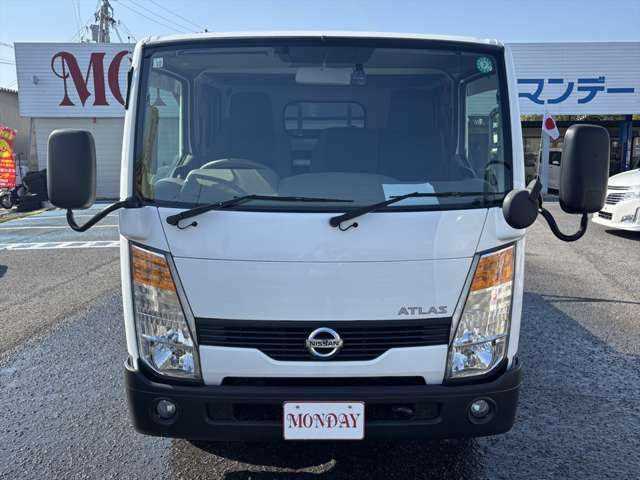
As an experienced car inspector based in Uganda, I often encounter individuals considering their vehicle options for various business needs. The Nissan Atlas 2015 has gained attention from potential buyers for its practicality and performance on our diverse terrains. For those focused on city commuting, the Atlas offers a reliable option with ample space for transporting goods, but how does it handle the congested urban traffic? In contrast, buyers planning to venture upcountry might wonder about its durability on less maintained roads and whether it can manage the rigors of rural travel effectively. Budget-conscious buyers often seek reassurance on fuel efficiency and maintenance costs; how do these factors pan out with the Atlas? Prospective business owners also express concerns about the vehicle’s reliability. Will it require frequent repairs that could disrupt operations? Additionally, understanding the resale value is crucial; how well does the Nissan Atlas hold its worth in the Ugandan market? These insights can help determine if this model aligns with the specific demands of your business.
Answer
Verdict
Suitable with conditions. The Nissan Atlas 2015 can meet the needs of businesses in Uganda, especially for local deliveries; however, it requires careful consideration of road conditions, especially in rural areas and during the rainy season.
Fuel Efficiency
The Nissan Atlas typically delivers a fuel efficiency ranging from 8 to 12 kilometers per liter, depending on the specific trim and engine choice. Fuel consumption may vary significantly based on driving conditions, including Kampala’s heavy traffic or off-road situations.
Load Capacity and Dimensions
The Nissan Atlas is designed for commercial use, with a payload capacity of approximately 1,000 to 3,000 kg. The dimensions of the cargo area will vary by model and trim, so it’s important to verify the specifics using the Vehicle Identification Number (VIN).
Handling Uganda’s Road Conditions
Driving in Kampala often involves navigating through congested traffic, speed humps, and potholes. While the Nissan Atlas is robust, ensuring proper maintenance is essential for performance on poorly maintained roads.
Rainy Season Considerations
During Uganda’s rainy season, which usually occurs from March to May and from October to November, road conditions can worsen. The Nissan Atlas should be equipped with appropriate tires to enhance traction and stability on wet surfaces.
Upcountry Roads
For businesses requiring travel beyond urban areas, the Atlas can handle rural roads reasonably well. However, consider the possibility of unpaved and uneven terrain, which may necessitate extra precautions for enhancing vehicle durability.
Summary
The Nissan Atlas 2015 is generally suitable for business needs in Uganda, particularly for urban delivery. However, potential buyers should assess their specific requirements against the vehicle’s fuel efficiency, handling of bad roads, and overall load capacity to ensure it meets operational needs effectively.
FAQs
1. What is the fuel efficiency of the Nissan Atlas 2015?
The fuel efficiency ranges from 8 to 12 kilometers per liter, depending on the engine and driving conditions.
2. How much weight can the Nissan Atlas carry?
The payload capacity can vary between 1,000 to 3,000 kg based on the specific trim and configuration.
3. Is the Nissan Atlas suitable for off-road use?
While it can handle some off-road situations, performance may vary on unpaved and uneven terrains, especially in rural areas.
4. How does the Nissan Atlas perform in rainy conditions?
The vehicle can manage wet roads effectively, but using quality tires and ensuring proper maintenance is crucial for safety.
5. Can I verify the specifications of a specific Nissan Atlas?
Yes, by using the Vehicle Identification Number (VIN), you can access detailed specifications and features for that specific vehicle.
The LAND ROVER DISCOVERY 3 2009, produced in 2009, embodies a robust design and advanced features that cater to off-road enthusiasts, making it a notable contender for Uganda’s diverse terrains....
The Land Rover Discovery 3 Manual Diesel 2008 is a robust vehicle well-suited for the varied terrains of Uganda, where off-road driving is often essential. Known for its advanced four-wheel...
The Land Rover Discovery 30-Diesel 2015 is a vehicle designed for both luxury and rugged terrain, making it a popular choice for adventurers in Uganda. With its powerful diesel engine,...
As an experienced car inspector in Uganda, I often encounter potential buyers eager to find a vehicle that meets their unique needs. Uganda’s diverse terrains—from bustling city streets to rugged...
Family owned dealership of new and pre-owned vehicles with several locations across the Uganda. Lowest prices and the best customer service guaranteed.
You're almost there, select at least one more to compare!
We use cookies to ensure that we give you the best experience on our website. If you continue to use this site we will assume that you are happy with it.
You can revoke your consent any time using the Revoke consent button.