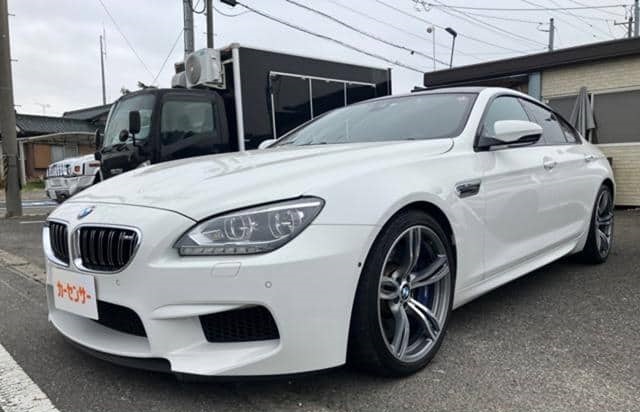
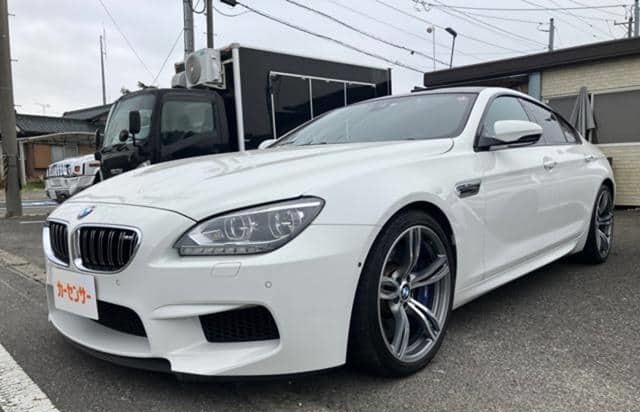
The BMW M6 2013 is a high-performance luxury sports coupe that captivates enthusiasts with its powerful engine and refined design. However, assessing its suitability for Ugandan roads involves considering several factors, from the vehicle’s handling capabilities to the road conditions prevalent in the region. While its robust build and advanced suspension system suggest a level of adaptability, the often rugged and uneven terrain of Uganda may pose challenges for such a low-slung vehicle. Additionally, issues like limited repair facilities for high-end vehicles and the availability of quality fuel must be taken into account. The BMW M6 embodies a blend of speed and luxury, yet its performance may be hindered by the realities of daily driving in Uganda. Ultimately, potential owners must weigh the allure of this iconic car against the practical demands of the local environment.
Introduction
The BMW M6 2013 is a powerful sports car that combines luxury with performance. However, its suitability for Ugandan roads raises questions due to the country’s varied terrain and road conditions. This article explores the advantages and disadvantages of driving this model in Uganda.
Performance and Handling
The BMW M6 is known for its impressive engine and handling. Under the hood, it features a 4.4-liter V8 engine that delivers exceptional power. In urban areas like Kampala, this might make for an enjoyable driving experience, particularly when navigating through traffic.
Yet, the car’s low ground clearance can be a concern. Many roads in Uganda are riddled with potholes and rough surfaces, which can pose challenges for a vehicle like the M6.
Comfort and Interior Space
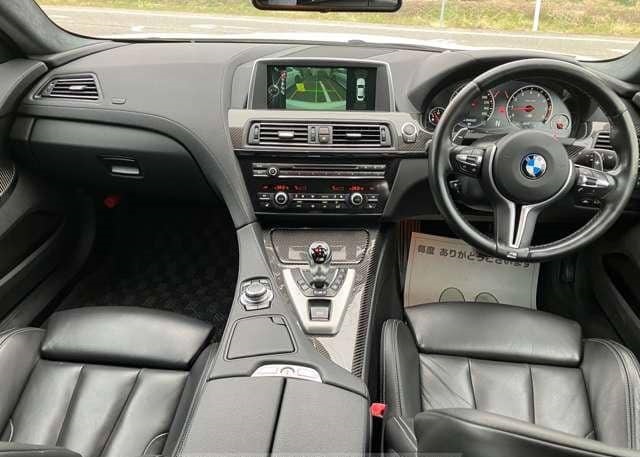
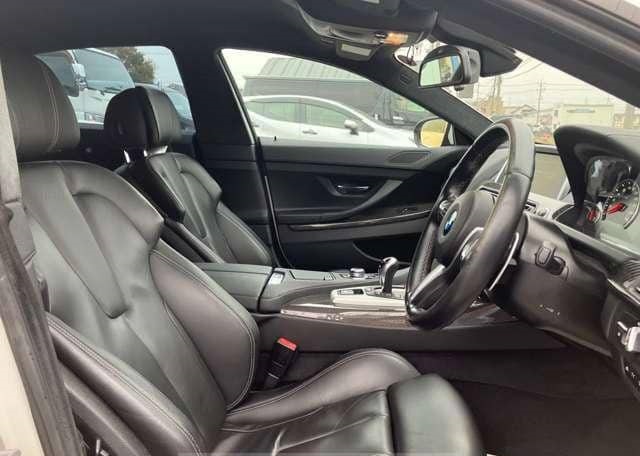
Inside, the M6 boasts luxury finishes and spacious seating. The leather upholstery and high-tech features can enhance comfort on long drives. For those traveling with family or friends, the car’s layout provides enough room, but the rear seats might feel cramped for taller passengers.
Fuel Economy
The M6 has a thirst for fuel, which could be a significant factor in Uganda where fuel prices can be high. While it offers power, the cost of filling up could deter some drivers, especially if their trips involve long distances outside urban centers.
Maintenance and Repair
Owning a luxury vehicle like the BMW M6 comes with its fair share of maintenance expenses. While parts may be available in Uganda, they might not be as easily accessible compared to local brands. Drivers should be prepared for potential delays in repairs and the costs associated with imported parts.
Driving in Different Conditions
Ugandan weather varies, with rainy seasons leading to muddy and slippery roads. The M6’s performance on these surfaces may not be ideal. For driving during the rainy months, a more robust vehicle with all-wheel drive might be a better option.
Insurance Costs
Insuring a high-end vehicle like the BMW M6 can be expensive. Potential owners should consider the insurance premiums, which often reflect the car’s market value and repair costs. It’s advisable to consult insurance companies to gauge potential financial commitments.
Resale Value
The resale market for luxury vehicles like the M6 in Uganda can be limiting. While it may retain value well initially, post-ownership resale may not be as lucrative as one might hope. Consider this if you plan to upgrade or sell the vehicle in the future.
Community Considerations
Driving a luxury vehicle in Uganda can draw attention. It’s essential to be aware of local perceptions and social dynamics. Some may view it positively, while others might see it as ostentatious, particularly in rural areas.
Summary
Overall, while the BMW M6 2013 offers performance and luxury, it comes with challenges when it comes to Ugandan roads. Factors like maintenance, fuel economy, and road conditions must be weighed carefully before making a purchase.
FAQs
Is the BMW M6 2013 comfortable for long trips in Uganda?
While it has a luxurious interior, the limited rear space may not accommodate taller passengers comfortably on long journeys.
How does the BMW M6 handle potholes and rough roads?
The low ground clearance can make it susceptible to damage on bumpy roads, which are common in Uganda.
What are the fuel requirements for the BMW M6?
The M6 requires high-octane fuel, which can be significantly more expensive compared to regular unleaded fuel.
Is it easy to find parts for the BMW M6 in Uganda?
Parts may be available, but they can be costly and harder to source compared to local brands.
Are luxury vehicles popular in Uganda?
While some luxury vehicles are seen on the roads, practicality and cost-effectiveness are often prioritized by most drivers.
The Land Rover Discovery 3 Manual Diesel 2008 is a robust vehicle well-suited for the varied terrains of Uganda, where off-road driving is often essential. Known for its advanced four-wheel...
The LAND ROVER DISCOVERY 3 2009, produced in 2009, embodies a robust design and advanced features that cater to off-road enthusiasts, making it a notable contender for Uganda’s diverse terrains....
The Land Rover Discovery 30-Diesel 2015 is a vehicle designed for both luxury and rugged terrain, making it a popular choice for adventurers in Uganda. With its powerful diesel engine,...
As an experienced car inspector in Uganda, I often encounter potential buyers eager to find a vehicle that meets their unique needs. Uganda’s diverse terrains—from bustling city streets to rugged...
Family owned dealership of new and pre-owned vehicles with several locations across the Uganda. Lowest prices and the best customer service guaranteed.
You're almost there, select at least one more to compare!
We use cookies to ensure that we give you the best experience on our website. If you continue to use this site we will assume that you are happy with it.
You can revoke your consent any time using the Revoke consent button.