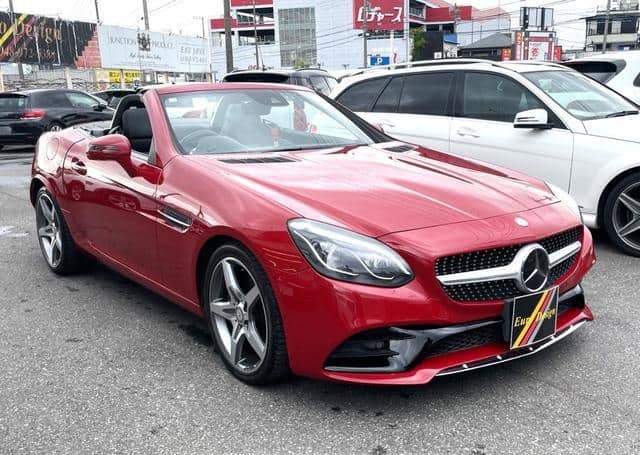
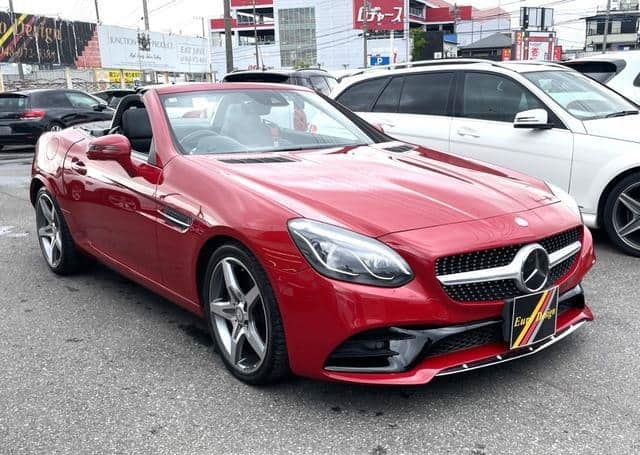
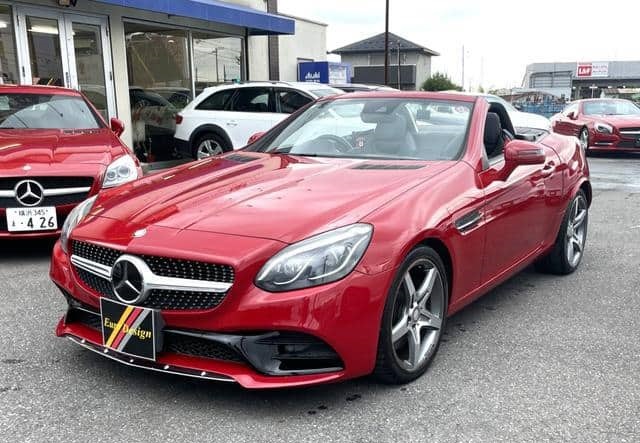
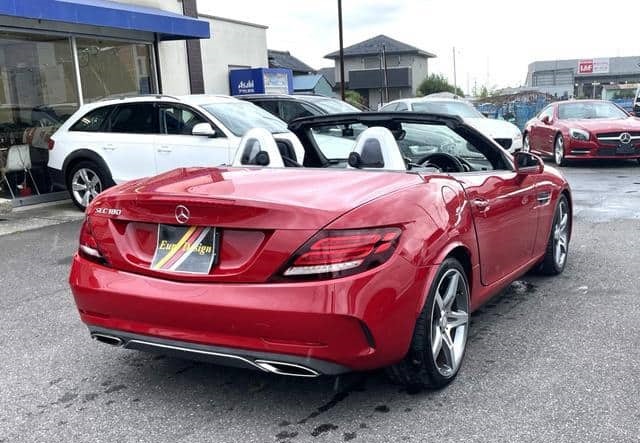
The 2016 Mercedes-Benz SLC Class represents a blend of luxury and performance, but evaluating its suitability for Uganda’s diverse road conditions requires a detailed look at both its features and the local infrastructure. Known for its sporty design and advanced engineering, the SLC Class is primarily tailored for smooth, well-maintained roads. However, Uganda’s challenging terrain, including poorly paved highways and rural paths, poses significant challenges for low-clearance vehicles. Factors such as ground clearance, suspension durability, and engine performance in varying climates will play a critical role in determining its adaptability to the Ugandan landscape. Additionally, maintenance availability and access to spare parts in the region will influence long-term ownership experience. Ultimately, while the SLC Class offers an impressive driving experience, its practicality in Uganda hinges on these critical considerations.
Introduction
The MERCEDES-BENZ SLC CLASS SLC 2016 is a luxury roadster that appeals to many car enthusiasts. In Uganda, however, assessing whether this vehicle can withstand the country’s diverse road conditions is essential. With urban roads, rural paths, and unpredictable weather, we’ll explore if this car is a good fit for Ugandan drivers.
Performance and Handling
The SLC 2016 features a range of engines that offer a balance between power and efficiency. In urban areas like Kampala, the car is responsive and handles well in traffic. It can zip through narrow streets, but its low profile may be a disadvantage on pothole-ridden roads.
Engine Types
Available engines include a turbocharged four-cylinder and a V6 variant. The more powerful options provide thrilling acceleration, but consider fuel quality available in Uganda, as it may affect long-term performance.
Suspension System
The SLC has a sports suspension system designed for performance. While this enhances stability on highways, it may not be ideal for rough terrains commonly found in rural Uganda. Drivers should be cautious when navigating uneven surfaces.
Ground Clearance
The vehicle’s ground clearance is lower than regular SUVs or sedans. In areas with poor road conditions, like those often seen in the Northern and Eastern regions, the risk of scraping the undercarriage is higher.
Comfort and Interior
Inside, the SLC offers luxury features such as comfortable leather seats and high-quality materials. This makes long drives to places like Jinja or Mbarara enjoyable. However, it’s important to consider that backseat space is limited.
Climate Control
Uganda’s climate can be hot and humid. The SLC comes equipped with efficient climate control. Nonetheless, the convertible aspect means exposure to elements, which could be a drawback during the rainy season.
Fuel Efficiency
The SLC Class offers decent fuel economy, but it varies depending on the engine and driving style. Urban fuel efficiency may suffer due to stop-and-go traffic. Always factor in fuel cost, especially in remote areas where petrol stations are less frequent.
Availability of Parts
Luxury vehicles often face challenges when it comes to parts availability. In Uganda, sourcing replacement parts for the SLC could take time. Building relationships with reliable mechanics familiar with foreign vehicles could mitigate this issue.
Insurance and Maintenance
Insurance for luxury vehicles can be expensive in Uganda. It’s essential to find a good insurance provider familiar with foreign cars. Regular maintenance may also be pricier, so budgeting for these costs is wise.
Service Centers
Not all service centers handle premium brands like Mercedes-Benz. Selecting a local dealership with certified technicians capable of working on the SLC will be vital for maintaining the vehicle’s performance.
Safety Features
The SLC comes equipped with advanced safety systems, including multiple airbags and stability control. These features can offer reassurance for drivers navigating unpredictable Ugandan roads.
Road Conditions
Awareness of road conditions in Uganda is crucial. While the SLC may perform well in urban settings, it’s vital to be cautious in rural areas where road maintenance is often lacking.
Summary
In summary, the MERCEDES-BENZ SLC CLASS SLC 2016 can be a stylish and enjoyable ride in urban areas of Uganda. However, potential buyers must consider its limitations regarding road conditions, maintenance, and parts availability in the country. Assessing personal driving needs and local conditions will be key to making a suitable choice.
FAQs
1. Is the SLC 2016 reliable for long drives in Uganda?
Yes, but caution is advised on rough roads. It performs well on well-paved highways.
2. What is the average fuel consumption of the SLC?
Fuel consumption varies by engine; expect around 25 MPG in mixed driving conditions.
3. Can I easily find spare parts for the SLC in Uganda?
Spare parts may be hard to find, so it’s important to have a trusted mechanic who specializes in luxury vehicles.
4. Are service centers for luxury vehicles available in Uganda?
Yes, but they are limited. Confirm that the chosen service center can manage foreign cars effectively.
5. Is insurance for the SLC expensive in Uganda?
Insurance for luxury vehicles is typically higher, so it’s crucial to shop around for comprehensive coverage.
The LAND ROVER DISCOVERY 3 2009, produced in 2009, embodies a robust design and advanced features that cater to off-road enthusiasts, making it a notable contender for Uganda’s diverse terrains....
The Land Rover Discovery 3 Manual Diesel 2008 is a robust vehicle well-suited for the varied terrains of Uganda, where off-road driving is often essential. Known for its advanced four-wheel...
The Land Rover Discovery 30-Diesel 2015 is a vehicle designed for both luxury and rugged terrain, making it a popular choice for adventurers in Uganda. With its powerful diesel engine,...
As an experienced car inspector in Uganda, I often encounter potential buyers eager to find a vehicle that meets their unique needs. Uganda’s diverse terrains—from bustling city streets to rugged...
Family owned dealership of new and pre-owned vehicles with several locations across the Uganda. Lowest prices and the best customer service guaranteed.
You're almost there, select at least one more to compare!
We use cookies to ensure that we give you the best experience on our website. If you continue to use this site we will assume that you are happy with it.
You can revoke your consent any time using the Revoke consent button.