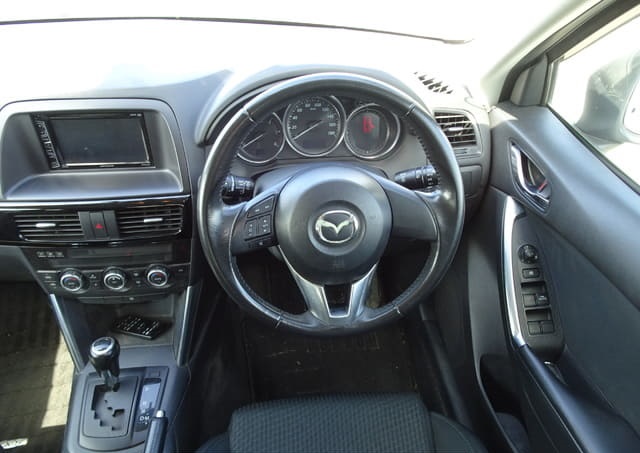
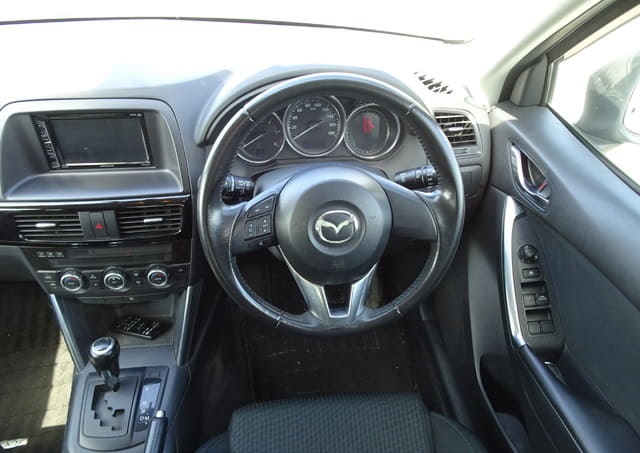
The fuel efficiency of the MAZDA CX-5 2013 is a pertinent topic for many Ugandans, particularly given the country’s diverse driving conditions. The vehicle is designed with a focus on both performance and economy, making it a compelling option for urban commuting as well as rural ventures. In Uganda, where road conditions can range from well-paved highways to rough, unpaved trails, understanding how the CX-5 manages fuel consumption becomes crucial. Its Skyactiv technology aims to optimize engine performance while maintaining fuel efficiency, which can be beneficial in minimizing costs for drivers. Additionally, the growing emphasis on sustainable transport solutions in Uganda makes evaluating the CX-5’s fuel consumption increasingly relevant. With the ongoing fluctuations in fuel prices, assessing a vehicle’s efficiency impacts both economic and environmental considerations for Ugandan motorists. Therefore, understanding the dynamics of the CX-5’s performance on local roads can offer valuable insights for potential buyers and users alike.
Overview of the Mazda CX-5 2013
The Mazda CX-5 2013 is recognized as a compact SUV that combines style with practicality. It features a sporty look and offers good cargo space. In Uganda, it’s essential for vehicles to handle both urban environments and rural roads.
Fuel Efficiency in Urban Settings
In city driving conditions, the Mazda CX-5 2013 performs reasonably well. The engine is designed to deliver efficiency, making it suitable for Kampala’s busy streets. Reports suggest an average fuel consumption of about 11-13 km/l in the city.
Considerations for Stop-and-Go Traffic
Frequent stops and starts typical of urban driving can affect fuel economy. However, the CX-5’s engine is built to manage these conditions without drastically increasing fuel consumption.
Fuel Efficiency on Rural Roads
When driving on rural roads, fuel efficiency can vary. The CX-5 is equipped with handling features that enable it to navigate uneven surfaces, which can also impact fuel use. On highways or open roads, drivers might see fuel consumption improve to around 14-16 km/l.
Road Quality Impact
In Uganda, road conditions are often unpredictable. Driving on rough terrain may lead to increased fuel consumption, so it’s wise to evaluate route choices.
Comparative Analysis
When assessing the Mazda CX-5 2013 against its competitors in Uganda, it stands out for its balance between performance and economy. Other SUVs may claim better mileage, but often compromise on features or comfort.
Maintenance and Fuel Efficiency
Regular maintenance directly influences fuel efficiency. Ensuring that the engine is well-tuned and that the tires are properly inflated can help optimize fuel use, especially on Uganda’s diverse road types.
Driver Habits and Fuel Efficiency
Fuel-efficient driving practices can enhance performance. Smooth acceleration and avoiding sudden stops can help maximize the CX-5’s fuel economy. Drivers in Uganda can benefit from learning these habits.
Final thoughts
Overall, the Mazda CX-5 2013 offers a reasonable fuel efficiency for Ugandan roads, especially when considering its capabilities as an SUV. While it may not lead in fuel economy, its combination of comfort, style, and functionality makes it a strong contender for Ugandan drivers.
Summary
The Mazda CX-5 2013 is a versatile vehicle that provides decent fuel efficiency suitable for both urban and rural Ugandan conditions. While it may not excel in mileage compared to smaller cars, its reliability and comfort make it appealing for a broader range of driving environments.
FAQs
1. What is the average fuel consumption of the Mazda CX-5 2013?
The CX-5 averages around 11-13 km/l in urban areas and 14-16 km/l on highways.
2. How does the CX-5 handle rough roads?
It offers good handling on rough terrains, though road conditions can affect fuel economy.
3. Is regular maintenance critical for fuel efficiency?
Yes, regular maintenance is essential to ensure optimal fuel consumption and vehicle performance.
4. Can driving habits affect fuel efficiency?
Absolutely, smooth acceleration and avoiding hard braking can make a significant difference in how much fuel you use.
5. How does the CX-5 compare to other SUVs in Uganda?
While it may not be the most fuel-efficient option, it balances performance, comfort, and style, making it a popular choice.
The LAND ROVER DISCOVERY 3 2009, produced in 2009, embodies a robust design and advanced features that cater to off-road enthusiasts, making it a notable contender for Uganda’s diverse terrains....
The Land Rover Discovery 3 Manual Diesel 2008 is a robust vehicle well-suited for the varied terrains of Uganda, where off-road driving is often essential. Known for its advanced four-wheel...
The Land Rover Discovery 30-Diesel 2015 is a vehicle designed for both luxury and rugged terrain, making it a popular choice for adventurers in Uganda. With its powerful diesel engine,...
As an experienced car inspector in Uganda, I often encounter potential buyers eager to find a vehicle that meets their unique needs. Uganda’s diverse terrains—from bustling city streets to rugged...
Family owned dealership of new and pre-owned vehicles with several locations across the Uganda. Lowest prices and the best customer service guaranteed.
You're almost there, select at least one more to compare!
We use cookies to ensure that we give you the best experience on our website. If you continue to use this site we will assume that you are happy with it.
You can revoke your consent any time using the Revoke consent button.