

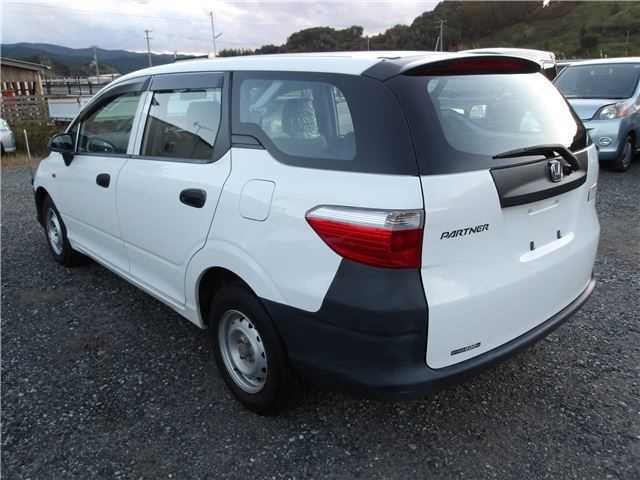
If you want a realistic cost estimate or a prioritized checklist for a vehicle (for example, a PEUGEOT/Citroën Partner or similar small van), I can produce one quickly — but I need a couple of short details to make the numbers meaningful. The three key pieces of information I typically request are: (1) which country or market you’re in, (2) the engine and transmission fitted to the Partner (for example 1.3 or 1.5 petrol, diesel, manual or automatic), and (3) roughly how many kilometres/miles per year you expect to drive. Below I explain why each detail matters and provide a practical estimate approach plus a checklist you can use right away.
Why these details matter
1. Country / market
Geography affects cost. Labour rates, parts prices, taxes, inspection requirements, and permitted fuels vary significantly between regions. For example, a routine service in Western Europe will generally cost more than the same service in many parts of Eastern Europe or South America. Emissions testing frequency, road tax, insurance bands, and availability of OEM parts or remanufactured components are all country-specific. Fuel prices and currency influence ongoing running costs, and import duties or local market differences can change the replacement cost for big-ticket items such as turbochargers or automatic transmissions.

2. Engine and transmission
The engine size, fuel type, and transmission type are major cost drivers. A 1.3 petrol will typically be cheaper to maintain and less complex than a 1.5 diesel with a turbo, which may require more frequent injectors, DPF maintenance, or higher-cost servicing. Manual gearboxes are often simpler and cheaper to repair than automatic or dual-clutch units. Knowing whether the vehicle has diesel or petrol, and whether it’s manual or automatic, allows a much more accurate estimate of fuel consumption, service intervals, and likely repair items during ownership.
3. Annual mileage
How much you plan to drive each year affects the frequency of services, tyre replacement, brake wear, and expected depreciation. Low-mileage use might defer some costs but can cause issues like battery or diesel DPF clogging; high-mileage usage increases routine wear items and can shorten the expected life of components such as clutches, brake discs, and suspension bushes. Providing a realistic annual km/mile estimate lets me scale consumable costs and allocate a likely replacement timeline.
How I build the estimate
When I have your country, engine/transmission combo, and annual mileage, I follow a simple methodology:

- Adjust labour and parts costs to local market rates.
- Select the correct service schedule and likely service items (oil, filter, air filter, spark plugs if petrol, fuel filter if diesel, etc.).
- Estimate fuel consumption and multiply by current local fuel price to give annual fuel cost ranges.
- Project wear-item replacement frequency (tyres, brakes, clutch, batteries) based on mileage.
- Include probable larger repairs for the engine/transmission type (for example DPF servicing or turbo for diesel; timing chain/tensioner risk for certain petrol engines; automatic gearbox servicing or fluid replacement where applicable).
- Summarize annualised running costs and a 3–5 year total cost projection where useful.
Quick checklist you can use now
Use the following items to gather the details and inspect the Partner before I produce a tailored estimate:
- Confirm the VIN or registration — this helps identify factory-fit engine/transmission and options.
- Locate the engine badge or paperwork (1.3 / 1.5 / HDi/TDi, etc.).
- Note the gearbox type (manual / automatic / EDC / AMT) and clutch condition (for manuals).
- Estimate current odometer reading and how many km/miles you’ll add per year.
- Check service history: dates and mileage for last service, timing belt/chain replacement (if applicable), and any major repairs previously done.
- Inspect tyres (depth and age), brakes (pads/discs), suspension (rattles/lean), and battery health.
- Look for warning lights, smoke from exhaust, or signs of leaks (oil, coolant, transmission fluid).
- Find out local costs: average labour rate per hour, typical tyre price, and current fuel and tax rates.
Example outputs I can provide
Based on your inputs I can produce:
- A one-page summary with an annual running-cost range including fuel, routine maintenance, and typical wear-item replacements.
- A prioritized maintenance checklist with approximate costs and recommended service intervals.
- A 3–5 year ownership cost projection highlighting likely big-ticket items and when they’re likely to occur.
- Advice on whether to opt for OEM or aftermarket parts for specific items, and whether extended warranties or service plans are advisable in your market.
How to give me the details quickly
The fastest way is to reply with a short message containing:

- Your country or city (e.g., “UK”, “Germany”, “South Africa”, “California, USA”).
- Engine/transmission info (e.g., “1.5 BlueHDi diesel, manual” or “1.3 petrol, automatic”). If you don’t know this, give the registration or VIN and I’ll tell you how to find it.
- Estimated annual distance (e.g., “12,000 km/year” or “7,500 miles/year”).
Common caveats
Estimates are only as good as the inputs: unknown service history, hidden accident damage, or unreadable VINs increase uncertainty. Some parts and labour costs fluctuate rapidly — fuel or exchange rate swings can change running cost estimates over months. For older vehicles, unseen corrosion or prior repairs can reveal additional expenses during ownership.
Final thoughts
I can provide a practical, localized estimate and a clear maintenance checklist that helps you budget and prioritize work on your Partner — provided you give me three quick details: country/market, engine/transmission, and expected annual mileage. With those inputs I’ll calibrate labour and parts costs, project fuel and wear-item expenses, and deliver a realistic, useable plan for short- and medium-term ownership. Send the details and I’ll get started.
FAQs
Q: What if I don’t know the exact engine or transmission?
A: Tell me the registration or VIN and the country; I can often identify the factory-fit engine and gearbox from that. Alternatively, describe badges, paperwork, or any numbers on the engine bay and I’ll help you decode them.
Q: How accurate are the fuel cost and maintenance estimates?
A: With the three core inputs, estimates for short-term running costs are usually within a 10–20% accuracy band. Unplanned failures or market shocks (sharp fuel price changes, part shortages) are harder to predict and can increase variance.
Q: Do petrol and diesel Partners differ much in running cost?
A: Yes. Diesel often has better fuel economy at higher mileages but can carry higher service/repair costs (DPF, injectors, turbo) and may be subject to extra regional taxes or restrictions. Petrols are usually cheaper to maintain but consume more fuel.
Q: Does transmission type matter a lot?
A: Yes. Manuals usually cost less to repair and maintain; automatics can be more expensive if major work is needed. Some modern automatics also require fluid changes at set intervals, which should be included in estimates.
Q: Can you produce an itemized quote for parts and labour?
A: Yes — once I know your country, engine/transmission, and mileage I can provide an itemized estimate for routine services and commonly expected repairs.


