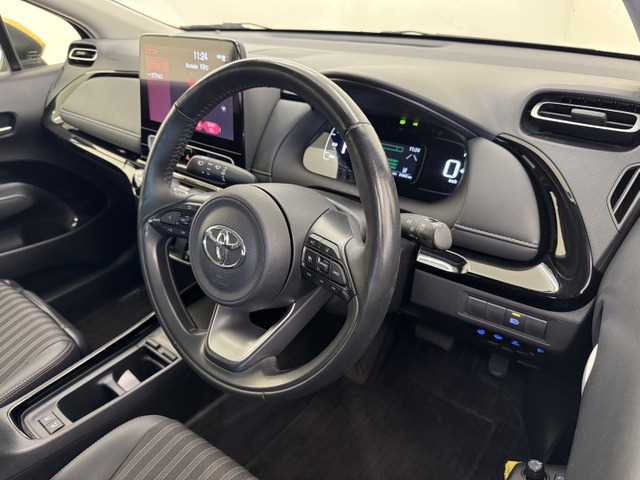
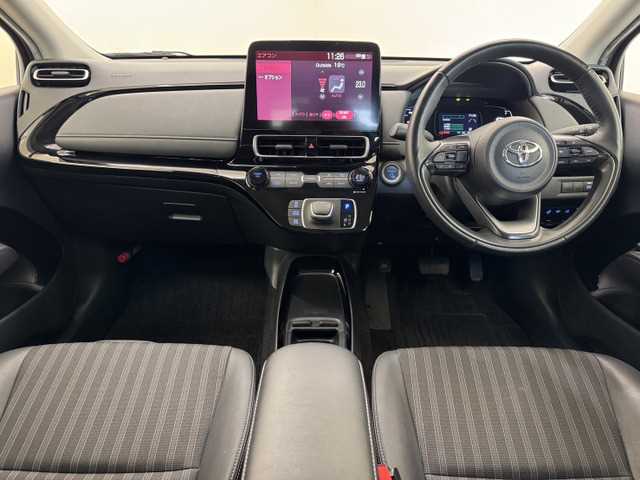
As a seasoned car inspector in Uganda, I’ve observed that choosing the right vehicle often hinges on a variety of factors specific to our unique landscape and lifestyle. For those in urban settings like Kampala, a compact and fuel-efficient car is essential for navigating busy streets and minimizing fuel expenses. For buyers venturing upcountry, the vehicle’s reliability and performance on uneven terrain become paramount, as well as its ability to carry a family or supplies comfortably. Meanwhile, budget-conscious consumers are often concerned not just with the upfront cost, but also with ongoing maintenance expenses, which can vary substantially between models. Is the 2021 Toyota Aqua capable of handling the rigors of city commuting while maintaining impressive fuel efficiency? How does it perform on rough or gravel roads commonly found in rural Uganda? And for those who are financially savvy, what can be expected in terms of maintenance costs and part availability over the lifespan of this vehicle? With these considerations in mind, potential buyers must weigh their options carefully.
Answer
Verdict
Suitable with conditions. The Toyota Aqua 2021 offers impressive fuel efficiency, making it a good choice for urban driving in Kampala, but road conditions, including potholes and heavy traffic, can impact its performance.
Fuel Efficiency Overview
The Toyota Aqua 2021 typically achieves fuel consumption figures ranging from 21 to 30 kilometers per liter, depending on driving conditions and engine configuration. This efficiency can be appealing for navigating Kampala’s bustling streets and the challenges posed by rain-soaked roads.
Urban Driving Conditions
Kampala’s traffic is notorious for congestion, particularly during peak hours. The Toyota Aqua’s small body and agile handling make it ideal for maneuvering through tight spaces and navigating busy streets. However, high traffic can lead to lower-than-expected fuel efficiency.
Road Quality
Upcountry roads often suffer from potholes and inadequate maintenance. The Aqua’s suspension might struggle to handle rough terrain, affecting comfort and fuel consumption. Drivers should consider the potential need for more robust tyres and increased vigilance while driving in these areas.
Weather Factors
The rainy season in Uganda can create slippery roads and increase the risk of hydroplaning. It’s crucial to drive cautiously; maintaining a steady speed can help maximize fuel efficiency. Heavy rains can also lead to increased use of windshield wipers and headlights, which can slightly reduce fuel efficiency but is essential for safety.
Summary
The Toyota Aqua 2021 demonstrates potential as a fuel-efficient urban vehicle, suitable for the unique driving conditions found in Uganda. Its performance varies based on traffic, road quality, and weather, making it essential for drivers to remain adaptive in their driving habits.
FAQs
What is the fuel consumption rate of a Toyota Aqua 2021?
Fuel consumption typically ranges from 21 to 30 kilometers per liter, but actual figures depend on driving conditions and trim levels.
Is the Toyota Aqua 2021 suitable for upcountry travel?
While it can handle some upcountry roads, its small size and suspension limitations may not make it the best choice for rough terrain.
How does traffic affect fuel efficiency in the Toyota Aqua?
High traffic can lead to idling and stop-and-go situations, which generally reduce fuel efficiency compared to highway driving.
Should I use premium fuel for the Toyota Aqua 2021?
Regular unleaded fuel is sufficient for the Toyota Aqua; using premium fuel may not yield significant benefits in performance or fuel efficiency.
Where can I verify the specific fuel efficiency of my Toyota Aqua?
Fuel efficiency can vary by trim; it’s advisable to consult the vehicle’s documentation or use the VIN to get precise specifications.
The LAND ROVER DISCOVERY 3 2009, produced in 2009, embodies a robust design and advanced features that cater to off-road enthusiasts, making it a notable contender for Uganda’s diverse terrains....
The Land Rover Discovery 3 Manual Diesel 2008 is a robust vehicle well-suited for the varied terrains of Uganda, where off-road driving is often essential. Known for its advanced four-wheel...
The Land Rover Discovery 30-Diesel 2015 is a vehicle designed for both luxury and rugged terrain, making it a popular choice for adventurers in Uganda. With its powerful diesel engine,...
As an experienced car inspector in Uganda, I often encounter potential buyers eager to find a vehicle that meets their unique needs. Uganda’s diverse terrains—from bustling city streets to rugged...
Family owned dealership of new and pre-owned vehicles with several locations across the Uganda. Lowest prices and the best customer service guaranteed.
You're almost there, select at least one more to compare!
We use cookies to ensure that we give you the best experience on our website. If you continue to use this site we will assume that you are happy with it.
You can revoke your consent any time using the Revoke consent button.