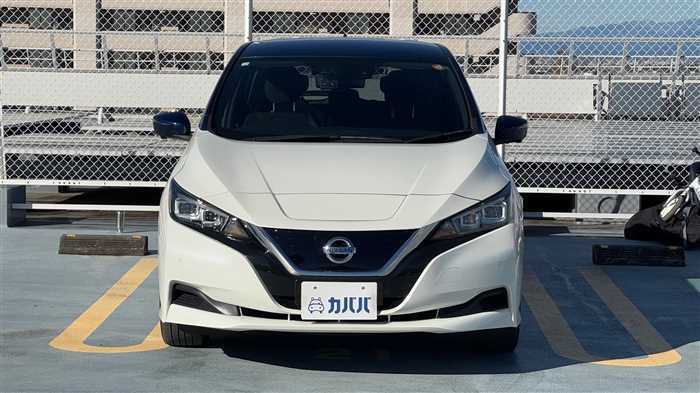
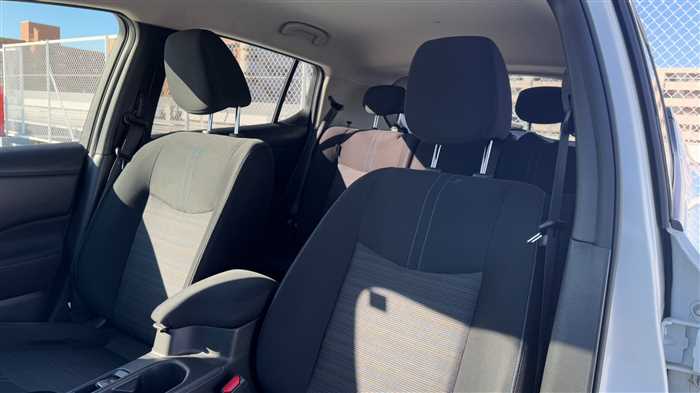
The Nissan Leaf 2020 has emerged as a popular choice in various markets, renowned for its electric efficiency and eco-friendly attributes. However, its suitability in Uganda’s unique road conditions, characterized by a mix of paved highways and unpredictable terrain, raises important considerations. With significant urban areas experiencing traffic congestion and rural regions presenting challenges such as less developed infrastructures, evaluating the Leaf’s performance is crucial. Its electric range and charging capabilities must be assessed in the context of Uganda’s growing but still limited charging infrastructure. Additionally, factors such as durability, maintenance, and range limitations will play a vital role in determining its viability for Ugandan drivers. Understanding these dynamics is essential in making informed decisions about electric vehicle adoption in the region.
Introduction
The Nissan Leaf 2020 has gained popularity globally as an electric vehicle. As Uganda embraces cleaner energy alternatives, many are curious if this model can thrive on local roads. This article examines various factors to determine its suitability for Uganda’s conditions.
Road Conditions in Uganda
Ugandan roads vary widely, from well-paved highways to rough, poorly maintained rural paths. The Nissan Leaf, designed primarily for urban driving, faces challenges on unpaved or potholed roads. Depending on where you live, you may need to consider these factors.
Tarmac and Urban Roads
On well-kept tarmac roads in cities such as Kampala, the Nissan Leaf can flourish. Its electric motor ensures a smooth and quiet ride, making it an excellent choice for daily commutes. Charging stations are becoming more common, easing concerns about battery range.
Rural and Off-Road Conditions
In rural areas, the Leaf may struggle. Its low ground clearance could be problematic on rough terrain. For those in more remote locations, opting for a vehicle with higher ground clearance may be wiser.
Battery Life and Climate Considerations
Uganda’s hot climate can affect electric vehicles, including the Nissan Leaf. The battery efficiency may decrease in extreme heat. It’s essential to consider how often you’ll need to charge the vehicle and whether you have access to charging points.
Charging Infrastructure
Uganda is gradually improving its charging infrastructure, primarily in urban centers. However, rural areas still lack sufficient charging stations. Before purchasing a Leaf, assess your access to charging options.
Cost of Ownership
The initial cost of a Nissan Leaf may be higher than a traditional vehicle, but savings on fuel and maintenance can offset this over time. Consider the availability of spare parts and technical support in Uganda, as these can impact long-term expenses.
Environmental Impact
The Leaf can help reduce carbon emissions, aligning with Uganda’s push for environmentally friendly transport. For those committed to sustainability, this vehicle presents an attractive option.
Resale Value
Electric vehicles like the Nissan Leaf are still a niche market in Uganda. As such, its resale value might not be as strong as traditional vehicles. If you’re considering long-term investment, this factor is worth considering.
Final thoughts
The Nissan Leaf 2020 offers several advantages, especially in urban environments. However, if you frequently travel on rough roads, it may not be the best fit. Assessing your typical driving conditions and needs is crucial before making a decision.
Summary
The Nissan Leaf 2020 presents both opportunities and challenges for Ugandan drivers. While it excels on urban tarmac, its low clearance and the state of rural roads may hinder its performance in less developed areas. Careful consideration of charging infrastructure, ownership costs, and resale value is essential for potential buyers.
FAQs
1. What is the average range of the Nissan Leaf 2020 on a single charge?
The average range is approximately 150 to 226 miles, depending on the model and driving conditions.
2. Are there enough charging stations in Uganda?
Charging stations are primarily available in urban areas, with limited options in rural regions.
3. How does the Leaf perform in hot climates?
Extreme heat can reduce battery efficiency, so it’s essential to monitor the battery health and charging conditions.
4. What maintenance is required for the Nissan Leaf?
Maintenance is generally lower than traditional vehicles, but regular checks on battery health and software updates are recommended.
5. Can the Leaf handle rough terrain?
Due to its low ground clearance, the Leaf is not well-suited for rough terrain or poorly maintained roads.
The LAND ROVER DISCOVERY 3 2009, produced in 2009, embodies a robust design and advanced features that cater to off-road enthusiasts, making it a notable contender for Uganda’s diverse terrains....
The Land Rover Discovery 3 Manual Diesel 2008 is a robust vehicle well-suited for the varied terrains of Uganda, where off-road driving is often essential. Known for its advanced four-wheel...
The Land Rover Discovery 30-Diesel 2015 is a vehicle designed for both luxury and rugged terrain, making it a popular choice for adventurers in Uganda. With its powerful diesel engine,...
As an experienced car inspector in Uganda, I often encounter potential buyers eager to find a vehicle that meets their unique needs. Uganda’s diverse terrains—from bustling city streets to rugged...
Family owned dealership of new and pre-owned vehicles with several locations across the Uganda. Lowest prices and the best customer service guaranteed.
You're almost there, select at least one more to compare!
We use cookies to ensure that we give you the best experience on our website. If you continue to use this site we will assume that you are happy with it.
You can revoke your consent any time using the Revoke consent button.