Every day, we are surrounded by a multitude of sounds in our environment. While some noises are soothing and pleasant, others can be jarring and disruptive. Understanding the most common types of noises can help us manage our environment better and learn to cope with disturbances effectively.
1. Natural Sounds
Natural sounds are an essential part of our environment and contribute significantly to our well-being. Some common natural sounds include:
Birdsong: Often heard in the morning and early evening, birdsong can be enchanting and is often associated with serenity.
Rain: The sound of rain falling can be soothing, often used in relaxation and meditation practices.
Wind: Gentle breezes rustling leaves can create a calming effect, while stronger winds can be more disruptive.
Water Bodies: Streams, lakes, or oceans create unique soundscapes that can evoke relaxation and peace.
2. Residential Noises
Living in residential areas comes with a set of common noises that we may experience. Understanding these can help manage our reactions to them:
Traffic: Cars, trucks, and public transport can create a steady noise backdrop in urban areas.
Neighbors: Sounds of conversations, music, and even footsteps from neighbors can sometimes lead to tension.
Appliances: Household appliances like refrigerators, washing machines, and air conditioners have their own sounds, some of which can be disruptive if they operate loudly.
3. Workplace Noises
Workplaces can be both exciting and noisy, and it’s essential to recognize common workplace noises:
Talking: Conversations, meetings, and phone calls can create a high noise level in open-office environments.
Computers: The hum of computers, printers, and other machines can contribute to daily noise levels.
Construction: For those in or near construction zones, the sounds of drilling, hammering, and machinery dominate the soundscape.
4. Recreational Noises
Recreational activities are another source of common noises in everyday life:
Events: Concerts, festivals, and sporting events can be loud and exhilarating yet overwhelming for some.
Children: Playground activities, laughter, and shouting are common sounds associated with children’s playtime.
Sports: The sounds of balls bouncing, players shouting, and crowds cheering can create a lively atmosphere.
5. Managing Noise Pollution
While some noises can be pleasant, others lead to noise pollution, which can negatively affect mental and physical health. Here are some strategies to mitigate noise pollution:
Soundproofing: Consider soundproofing your home or workspace with carpets, curtains, or acoustic panels.
Noise-Canceling Devices: Invest in noise-canceling headphones or white noise machines for enhanced peace.
Creating Quiet Zones: Designate areas in your home or workspace for quiet activities like reading or meditation.
Final thoughts
Understanding common noises and their effects can significantly enhance our ability to adapt and thrive in various environments. Recognizing the sources of noise, whether they be natural, residential, workplace, or recreational, allows us to respond more effectively. By implementing strategies to manage noise pollution, we can create quieter, more peaceful settings that foster relaxation, productivity, and well-being. The next time you hear a sound that disrupts your peace, remember that acceptance and management are within your control.
FAQs
Q: What causes noise pollution?
A: Noise pollution is typically caused by urbanization, transportation (cars, planes, etc.), industrial activities, and recreational events.
Q: How can I reduce noise in my home?
A: You can reduce noise by using rugs, curtains, soundproofing materials, and by placing bookshelves against walls shared with noisy neighbors.
Q: Are there health impacts associated with noise pollution?
A: Yes, long-term exposure to noise pollution can lead to stress, sleep disturbances, increased anxiety, and even cardiovascular issues.
Q: Can certain sounds be beneficial?
A: Absolutely! Natural sounds like flowing water and birdsong can promote relaxation and enhance well-being.
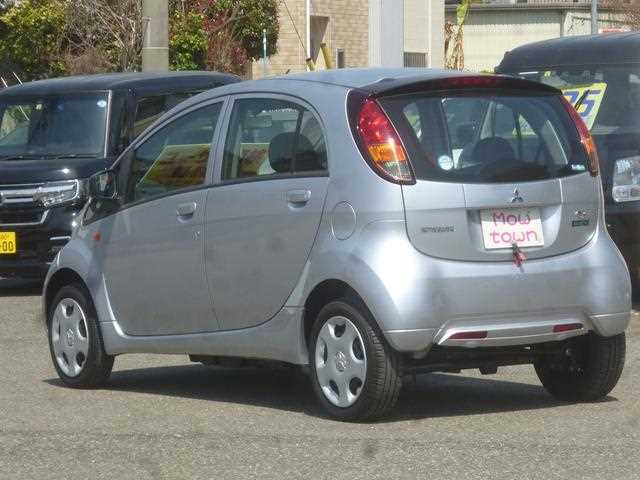
The Mitsubishi I, released in 2011, presents an intriguing option for urban driving, particularly in densely populated areas like those in Uganda. With its compact size, the vehicle is designed...
The brake system is one of the most vital components of any vehicle, ensuring safety and reliability on the road. Regular brake system inspection is crucial to maintain optimal performance,...
Whining noise can be an irritating phenomenon that many people encounter in various environments. Whether coming from machinery, vehicles, or even appliances within the home, whining noise symbolizes an underlying...
In the world of automotive, tyre specifications play a crucial role in vehicle performance and safety. One such specification is the size, denoted in a format like 145/65 R15. Understanding...
Family owned dealership of new and pre-owned vehicles with several locations across the Uganda. Lowest prices and the best customer service guaranteed.
You're almost there, select at least one more to compare!
We use cookies to ensure that we give you the best experience on our website. If you continue to use this site we will assume that you are happy with it.
You can revoke your consent any time using the Revoke consent button.