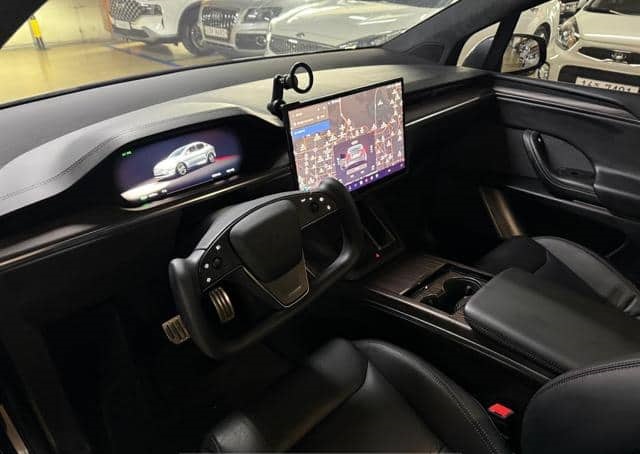
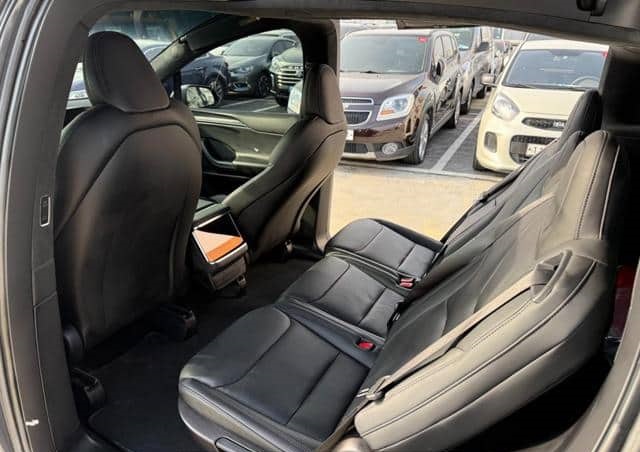
The 2025 Tesla Model X AWD boasts advanced engineering and cutting-edge technology, making it a standout in the electric vehicle market. However, its compatibility with Uganda’s diverse road conditions poses important considerations. With a mix of paved highways, rural roads, and challenging terrains, the Model X’s performance in these contexts can greatly influence its practicality for local drivers. Its all-wheel-drive system offers significant advantages in handling rough conditions and inclement weather. Yet, the durability and maintenance of such a high-tech vehicle in Uganda’s unique environment warrant careful assessment. Also, factors like charging infrastructure, local driving habits, and the vehicle’s range will further determine its suitability for daily use in the region. Understanding these dynamics is essential for potential buyers contemplating the Model X as their vehicle of choice in Uganda.
Introduction
The 2025 Tesla Model X AWD brings a new level of electric performance and luxury. However, for drivers in Uganda, a country known for its diverse and sometimes challenging road conditions, the suitability of this vehicle is a pertinent question. With its advanced features, does it meet the needs of Ugandan roads? Let’s explore the details.
Understanding the Tesla Model X AWD
The Tesla Model X AWD is equipped with dual motors, providing all-wheel drive to enhance stability and traction. This feature is essential for navigating varied terrains, including dirt roads and hilly areas commonly found in Uganda.
Performance
One of the key performance attributes of the Model X is its torque distribution. The instant torque from electric motors allows for impressive acceleration, making it suitable for city driving in Kampala’s congested traffic.
Suspension and Ride Quality
The adaptive air suspension can adjust the ground clearance. When driving on uneven surfaces, this feature enables the vehicle to adapt, offering a more comfortable ride over potholes and rough roads.
Electric Charging Infrastructure
While electric vehicles are gaining popularity, Uganda still faces challenges with charging infrastructure. Most urban centers like Kampala have a few charging stations, but they are not as widespread as conventional fuel stations.
Home Charging Options
For those in urban areas with a reliable home power supply, installing a home charging station can make owning a Tesla more feasible. This allows for nightly charging, ensuring the vehicle is ready for use each day.
Road Conditions in Uganda
Uganda’s roads vary significantly, from well-maintained highways to rural dirt paths. The Model X’s AWD system can handle most common obstacles, but severe off-road conditions may pose a challenge without further modifications.
Weather Resilience
The rainy season can lead to flooding and mudslides, which sometimes block roads. The high ground clearance of the Model X can help navigate through moderately flooded areas, but caution is still required.
Affordability and Maintenance
Owning a Tesla can come with a higher upfront cost compared to traditional vehicles. However, the long-term savings on fuel and maintenance can make it an attractive investment.
Service Availability
Service centers for Tesla vehicles are limited in Uganda. Having a reliable local mechanic who understands electric vehicles is essential for ongoing maintenance.
Environmental Impact
Driving an electric vehicle like the Model X helps reduce carbon emissions, promoting a greener environment. This is especially relevant to Uganda, where conservation efforts are increasingly important.
Summary
The 2025 Tesla Model X AWD presents a mix of advantages and challenges for Ugandan drivers. While it offers powerful performance and environmental benefits, the practicality of charging infrastructure, road conditions, and service availability should be carefully considered before making a purchase.
FAQs
1. Can the Tesla Model X handle rough rural roads in Uganda?
Yes, it can handle most rough roads due to its AWD system and adjustable suspension, but extreme off-road conditions may require additional care.
2. How long does it take to charge the Model X at home?
Charging time can vary, but using a home charging station may take about 8 to 12 hours for a full charge, depending on the power source.
3. Are there enough charging stations in Uganda?
Currently, charging stations are limited mainly to larger urban areas, so planning is essential for longer trips.
4. What are the maintenance costs like for a Tesla in Uganda?
While electric vehicles generally have lower maintenance costs, Tesla service centers are not widely available in Uganda, which could affect repair options and costs.
5. Is the Tesla Model X environmentally friendly for Uganda?
Yes, as an electric vehicle, it helps reduce carbon emissions, aligning well with Uganda’s conservation efforts.
The Land Rover Discovery 3 Manual Diesel 2008 is a robust vehicle well-suited for the varied terrains of Uganda, where off-road driving is often essential. Known for its advanced four-wheel...
The LAND ROVER DISCOVERY 3 2009, produced in 2009, embodies a robust design and advanced features that cater to off-road enthusiasts, making it a notable contender for Uganda’s diverse terrains....
The Land Rover Discovery 30-Diesel 2015 is a vehicle designed for both luxury and rugged terrain, making it a popular choice for adventurers in Uganda. With its powerful diesel engine,...
The 2009 Land Rover Discovery 4 Automatic Diesel stands out for its robust engineering and off-road capabilities, making it a potential fit for Uganda’s diverse terrain. With a powerful diesel...
Family owned dealership of new and pre-owned vehicles with several locations across the Uganda. Lowest prices and the best customer service guaranteed.
You're almost there, select at least one more to compare!
We use cookies to ensure that we give you the best experience on our website. If you continue to use this site we will assume that you are happy with it.
You can revoke your consent any time using the Revoke consent button.