


Regular maintenance is a critical aspect of managing equipment, vehicles, and facilities. It involves routine checks, repairs, and upkeep to ensure that things operate efficiently and effectively. Regular maintenance is essential for various reasons, including safety, efficiency, longevity, cost savings, and compliance. This article explores the importance of regular maintenance and its numerous benefits.
1. Safety First
The most important reason for conducting regular maintenance is safety. Neglecting maintenance can lead to accidents and injuries. For instance, if a piece of equipment malfunctioned due to lack of inspection, it could result in workplace accidents, which could harm employees. Regular maintenance checks can help identify potential hazards and facilitate timely repairs, ensuring a safer environment for everyone.
2. Efficiency and Performance
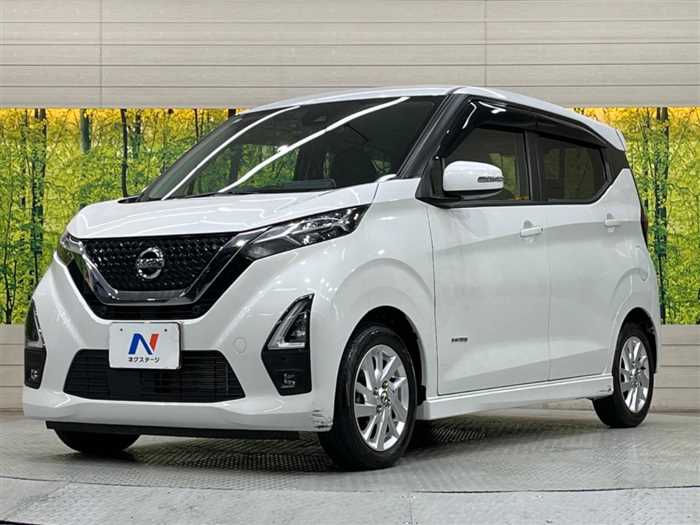
Equipment and systems that are well-maintained tend to function more efficiently. When machines or systems are regularly serviced, their performance improves, leading to optimized productivity. For example, a well-tuned vehicle typically has better fuel efficiency, lower emissions, and fewer breakdowns. By investing in regular maintenance, businesses and individuals can maximize performance and productivity.
3. Longevity
Another significant benefit of regular maintenance is the extension of the lifespan of equipment and vehicles. Just like maintaining your health with regular check-ups, machinery and vehicles also need routine care. Regular maintenance ensures that all parts are operating correctly, which minimizes wear and tear. By adhering to a maintenance schedule, you can significantly increase the longevity of your investments.
4. Cost Savings
While regular maintenance requires an upfront investment, it ultimately leads to significant cost savings. A minor repair is usually much cheaper than a major repair or replacement. By catching small issues early, you can avoid the compounding costs of extensive damage. Additionally, well-maintained equipment tends to operate more efficiently, saving money on energy costs and operational downtime.

5. Compliance with Regulations
In many industries, regular maintenance is not just a best practice; it is a legal requirement. Regulatory authorities often mandate that certain equipment and vehicles be routinely inspected and maintained to ensure safety and compliance. Regular maintenance helps businesses meet these legal responsibilities, avoiding fines and legal issues.
6. Enhanced Resale Value
For vehicles and equipment, regular maintenance can significantly enhance resale value. Potential buyers are more likely to purchase items that have a documented history of proper maintenance. Keeping receipts and records of all maintenance conducted can enhance the resale value by demonstrating proper care and maintaining functionality.
7. Increased Accountability
Implementing a regular maintenance schedule increases accountability among staff and employees. When maintenance is scheduled and documented, it becomes clear who is responsible for each aspect of upkeep. This accountability fosters a culture of care and responsibility within the organization, ensuring tasks are completed and remembered.
8. Transition to Predictive and Preventive Maintenance
Regular maintenance allows you to transition from reactive to predictive and preventive maintenance strategies. With the right data and monitoring tools, you can foresee potential breakdowns before they happen and schedule maintenance proactively, preventing costly downtimes.
Final thoughts
To sum up, regular maintenance is an essential practice that benefits individuals, businesses, and the environment at large. The combination of safety, efficiency, longevity, cost savings, and compliance makes a compelling case for establishing a robust maintenance routine. Investing time and resources into regular maintenance is not only a wise business decision but also a commitment to safety and efficiency. By prioritizing regular inspections and care, you can extend the life of your assets and ensure they perform optimally, thus maximizing their return on investment.
FAQs
1. How often should I perform maintenance on my equipment?
The frequency of maintenance depends on the type of equipment, usage levels, and manufacturer recommendations. Regular intervals range from weekly to annually.
2. What happens if I neglect maintenance?
Neglecting maintenance can lead to equipment failure, safety hazards, higher repair costs, and decreased efficiency, which may ultimately affect your bottom line.
3. Can I perform maintenance myself, or should I hire a professional?
While some basic maintenance tasks can be performed by individuals, complex systems typically require professional expertise to ensure safety and proper functionality.
4. Is regular maintenance worth the cost?
Yes, the long-term savings and benefits associated with regular maintenance, such as increased efficiency and safety, generally outweigh the costs of routine upkeep.
5. How can I keep track of maintenance schedules?
You can use maintenance management software, spreadsheets, or a simple calendar system to track maintenance schedules and remind yourself of upcoming tasks.


