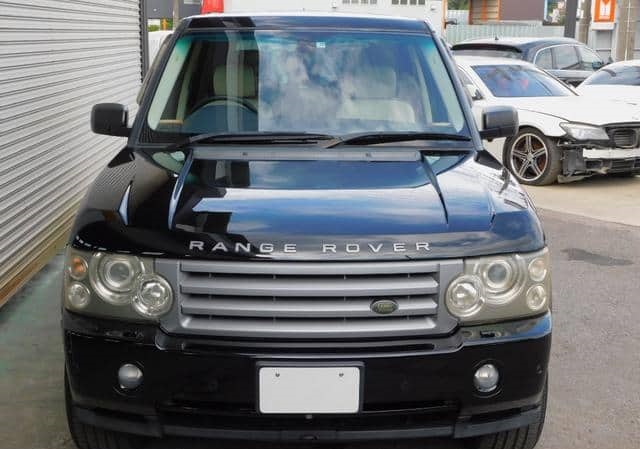
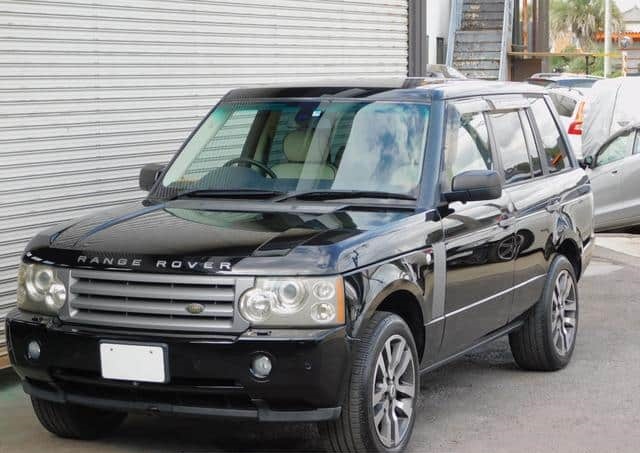
The 2006 Land Rover Range Rover, known for its robust design and luxury features, is well-suited for Uganda’s diverse terrain. With its advanced four-wheel-drive system, it excels in navigating both urban environments and challenging rural landscapes, including rugged trails and muddy roads often encountered during the rainy season. The vehicle’s high ground clearance and sophisticated suspension allow it to tackle obstacles with ease, making it an ideal choice for those exploring Uganda’s national parks or remote areas. Beyond that, its powerful engine and ample torque enhance performance in rugged conditions, ensuring reliability and comfort for passengers. However, potential owners should also consider maintenance and fuel efficiency, particularly in regions where access to services may be limited. Overall, the Range Rover combines luxury with capability, appealing to both adventure seekers and those requiring a robust vehicle for daily use in Uganda.
Introduction
The 2006 Land Rover Range Rover 4WD is well-regarded for its off-road capabilities. In Uganda, with its diverse landscapes, from rocky terrains to muddy roads during the rainy season, this vehicle’s performance becomes relevant. But is it truly suitable for local conditions? Let’s take a closer look.
Off-Road Capabilities
The Range Rover’s 4WD system offers excellent traction, which is crucial for tackling Uganda’s tougher terrains. Its adjustable air suspension allows for higher ground clearance, making it easier to navigate through potholes and rocky paths commonly found in rural areas.
Comfort and Space
A spacious interior is a significant advantage, especially for families or groups traveling across the country. The leather seats and ample legroom provide comfort during long drives on bumpy roads. Additionally, its generous cargo space is beneficial for carrying supplies on remote trips.
Fuel Efficiency
Fuel efficiency remains a concern in Uganda, where fuel prices can be high. The Range Rover, while powerful, is not the most economical choice, consuming more fuel compared to smaller vehicles. For those who drive frequently, this can be a disadvantage.
Maintenance and Availability of Parts
Maintaining a 2006 Range Rover can be challenging in Uganda. Spare parts may not be readily available, leading to delays in repairs. It’s important to consider access to reliable mechanics who are familiar with the brand.
Local Aftermarket Support
While some workshops can handle repairs, finding specialists for a luxury vehicle can still be tricky. Regular maintenance is essential, and ensuring that you have direct access to Land Rover certified services can mitigate issues.
Resale Value
The resale market for luxury vehicles like the Range Rover can be unpredictable in Uganda. Buyers often prefer more affordable, fuel-efficient options, impacting resale prospects. This can be a vital consideration for future ownership.
Final thoughts
In summary, the 2006 Land Rover Range Rover 4WD offers impressive off-road capabilities and comfort, making it suitable for Uganda’s challenging terrains. However, potential buyers should weigh the costs of fuel, maintenance, and availability of parts against their needs.
Summary
The 2006 Range Rover 4WD can handle Uganda’s rugged landscapes effectively, providing comfort and space for long journeys. However, be aware of the maintenance challenges and fuel consumption before making a decision.
FAQs
1. How does the Range Rover perform in muddy conditions?
The Range Rover’s 4WD system and high ground clearance make it capable of handling muddy roads, provided it is equipped with suitable tires.
2. Is fuel consumption high for the Range Rover?
Yes, the 2006 model is not the most fuel-efficient vehicle, consuming more fuel than smaller cars, which could be a drawback in Uganda’s fuel market.
3. Can I find spare parts easily in Uganda?
Spare parts are not always readily available, and sourcing them can sometimes be a challenge, especially for older models.
4. Is the Range Rover suitable for long family trips?
Absolutely, its spacious interior and comfortable seating make it a great choice for long journeys with family or friends.
5. What should I consider before purchasing a Range Rover in Uganda?
Consider fuel costs, maintenance availability, resale value, and your specific driving needs to ensure it meets your requirements.
The LAND ROVER DISCOVERY 3 2009, produced in 2009, embodies a robust design and advanced features that cater to off-road enthusiasts, making it a notable contender for Uganda’s diverse terrains....
The Land Rover Discovery 3 Manual Diesel 2008 is a robust vehicle well-suited for the varied terrains of Uganda, where off-road driving is often essential. Known for its advanced four-wheel...
The Land Rover Discovery 30-Diesel 2015 is a vehicle designed for both luxury and rugged terrain, making it a popular choice for adventurers in Uganda. With its powerful diesel engine,...
As an experienced car inspector in Uganda, I often encounter potential buyers eager to find a vehicle that meets their unique needs. Uganda’s diverse terrains—from bustling city streets to rugged...
Family owned dealership of new and pre-owned vehicles with several locations across the Uganda. Lowest prices and the best customer service guaranteed.
You're almost there, select at least one more to compare!
We use cookies to ensure that we give you the best experience on our website. If you continue to use this site we will assume that you are happy with it.
You can revoke your consent any time using the Revoke consent button.