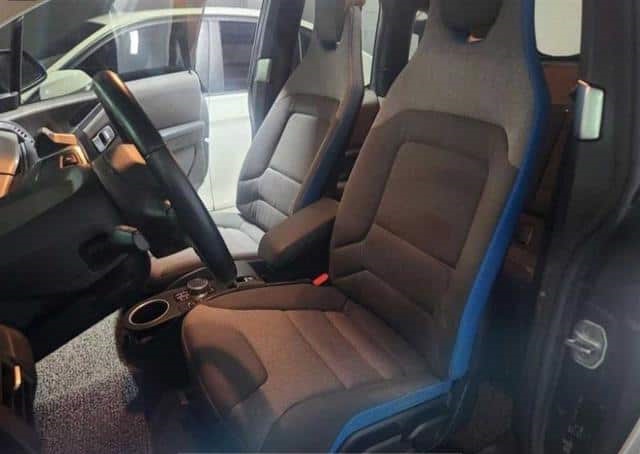
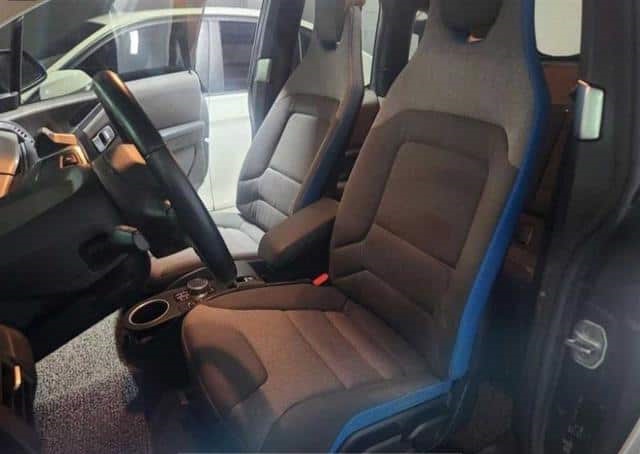
The 2017 BMW i3, known for its electric performance and compact design, presents unique advantages and challenges in the context of Uganda’s driving conditions. With its lightweight frame and efficient electric motor, this vehicle can handle urban environments and city traffic effectively. However, the road infrastructure in Uganda varies greatly, with areas featuring poorly maintained surfaces that could pose difficulties for low-ground-clearance vehicles like the i3. Additionally, while the electric nature of the car aligns well with environmentally conscious initiatives, charging infrastructure in Uganda may still be developing, impacting its practicality for everyday use. Ultimately, potential buyers must consider factors such as vehicle durability, availability of charging stations, and the typical driving environments they will encounter. This assessment will help determine if the i3 can meet the demands of Ugandan roads and lifestyle.
Introduction
The 2017 BMW i3 is an electric vehicle that has gained attention for its compact design and eco-friendliness. However, how well does it perform in Uganda’s unique driving conditions? With rough roads, varying weather, and urban congestion, potential owners should consider a few critical factors.
Road Conditions in Uganda
Many roads in Uganda are unpaved or poorly maintained, especially in rural areas. The i3 is designed for urban driving, making it suitable for city commutes rather than off-road adventures.
Its low ground clearance can be a challenge on bumpy roads or during heavy rains when potholes are more pronounced. Drivers need to be cautious to avoid damage.
Climate and Weather
Uganda’s tropical climate brings heavy rainfall, particularly between March and May and again from September to November. The i3 is an electric vehicle, so water exposure can be a concern.
While it’s generally safe, long exposure to standing water may pose electrical risks. Owners should ensure proper maintenance to mitigate these risks.
Charging Infrastructure
One of the primary considerations for any electric vehicle is the availability of charging stations. In urban areas like Kampala, there are limited charging points, which can be inconvenient for daily use.
Home charging is a viable option but requires adequate electrical setup. It’s essential to assess your proximity to charging facilities before committing to the i3.
Cost of Ownership
The initial cost of the i3 may be higher than that of traditional vehicles. While it reduces fuel costs significantly, issues such as battery replacement can be expensive.
Additionally, understanding local incentives for electric vehicles is important as they can affect overall ownership costs.
Performance and Handling
With its small size and electric motor, the i3 offers a responsive driving experience in urban settings. But, it may struggle with steep inclines found in some hilly areas of Uganda.
On the plus side, the regenerative braking feature helps with energy efficiency and can improve battery life.
Safety Features
The BMW i3 comes equipped with numerous safety features. However, the effectiveness can diminish in poorly lit or less regulated driving environments. It’s essential to remain vigilant as road discipline varies significantly.
Summary
Overall, while the 2017 BMW i3 offers advantages like reduced running costs and urban suitability, it may face challenges in Uganda’s driving conditions. Potential owners should consider their typical routes, access to charging stations, and road quality before making a decision.
FAQs
1. Can the BMW i3 handle Uganda’s pothole-filled roads?
Its low ground clearance may make it difficult to navigate pothole-heavy routes safely.
2. Is charging easy in Uganda?
Charging infrastructure is limited, so home charging solutions are advisable if you own an i3.
3. What is the battery life of the i3 in Ugandan conditions?
The battery life can vary, but with proper care and maintenance, it should last several years.
4. Are there any local incentives for electric vehicles in Uganda?
Incentives may exist, but they’re limited. It’s best to check with local authorities for the latest information.
5. How does the i3 perform in heavy rain?
While it’s generally safe, make sure to avoid deep water where electrical components could be affected.
The LAND ROVER DISCOVERY 3 2009, produced in 2009, embodies a robust design and advanced features that cater to off-road enthusiasts, making it a notable contender for Uganda’s diverse terrains....
The Land Rover Discovery 3 Manual Diesel 2008 is a robust vehicle well-suited for the varied terrains of Uganda, where off-road driving is often essential. Known for its advanced four-wheel...
The Land Rover Discovery 30-Diesel 2015 is a vehicle designed for both luxury and rugged terrain, making it a popular choice for adventurers in Uganda. With its powerful diesel engine,...
The 2009 Land Rover Discovery 4 Automatic Diesel stands out for its robust engineering and off-road capabilities, making it a potential fit for Uganda’s diverse terrain. With a powerful diesel...
Family owned dealership of new and pre-owned vehicles with several locations across the Uganda. Lowest prices and the best customer service guaranteed.
You're almost there, select at least one more to compare!
We use cookies to ensure that we give you the best experience on our website. If you continue to use this site we will assume that you are happy with it.
You can revoke your consent any time using the Revoke consent button.