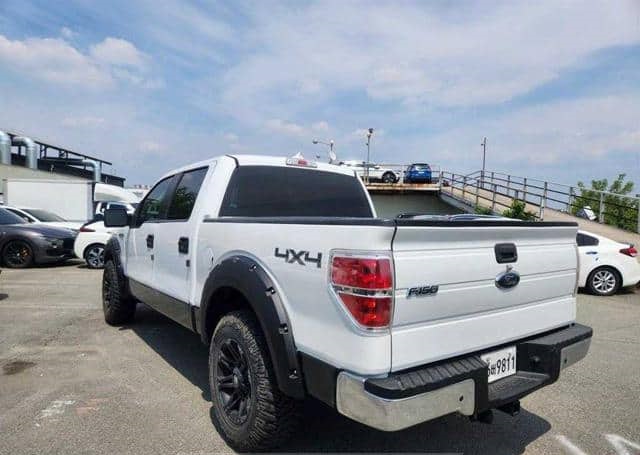
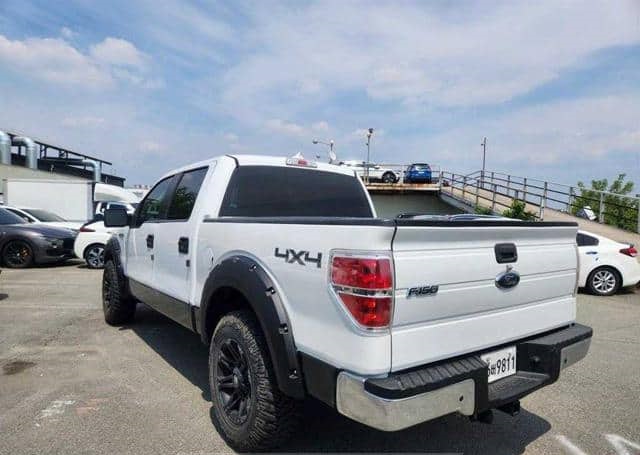
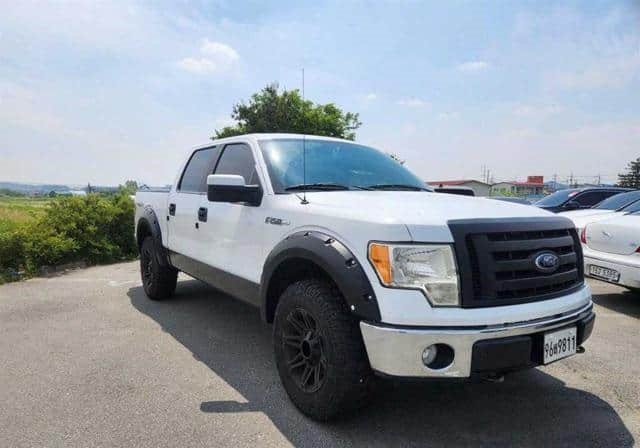
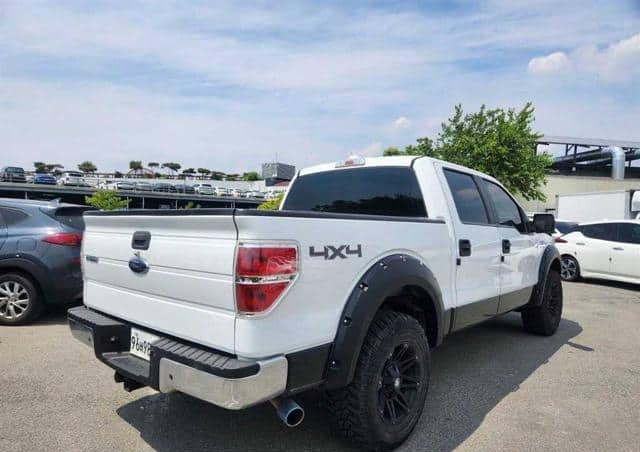
This concise guide focuses on the essentials you need when shopping for a used 2010 FORD F-150, negotiating price, arranging insurance and financing, budgeting ownership costs, performing risk checks, and assessing long‑term value. Use it as a checklist when evaluating listings, at the dealership, or during private sales and inspections.
Why the 2010 F-150?
The 2010 Ford F-150 is a popular full‑size pickup known for its strong engines (including V6 and V8 options), comfortable cabin compared with older models, and widespread parts availability. However, trucks are used hard, and trucks of this age may have specific wear points. Balance purchase price with expected maintenance and remaining life.
Insurance Considerations
Insurance for a 2010 F-150 will typically be lower than for a new truck, but premiums depend on:
Trim and engine (V8, 4×4, towing packages increase premiums).
Usage (personal vs. business, mileage per year).
Location (urban, theft-prone, or high-accident areas raise rates).
Before committing, get quotes from multiple carriers. Consider dropping comprehensive and collision coverage when the truck’s market value drops below the cost-effectiveness threshold (often 1.5–2x annual premium vs. vehicle value), but keep liability limits adequate for your state and risk tolerance. If you plan to tow or use for business, tell the insurer — failing to disclose can void claims.
Financing and Loan Strategy
Interest rates for used‑car loans are typically higher than for new cars. To get favorable financing:
Check your credit score and prequalify with banks or credit unions for better rates.
Compare dealer financing offers to third‑party loans — sometimes credit unions offer lower APR.
Consider shorter loan terms (36–48 months) to avoid paying excessive interest and to reduce the risk of being “upside‑down.”
Make a down payment of at least 10–20% if possible — trucks depreciate more slowly but still benefit from a healthy down payment.
Budgeting for Ownership
Plan for recurring and irregular costs:
Fuel: Older V8s and 4x4s consume more. Estimate mileage and local fuel prices.
Maintenance: Budget $1,000–$2,000 per year on average for an older truck (oil, brakes, tires, filters, fluids). These vehicles can cost more if timing chains/belts, transmission, or major components need work.
Repairs: Set aside an emergency fund (3–6% of vehicle value per year or a dedicated $1,000–$3,000 buffer).
Tires and brakes: Heavy-duty wear depending on use; expect $600–$1,200 every few years for good tires on a full‑size truck.
Registration and taxes: Older trucks still incur registration fees and possible higher taxes if towing modifications are present.
Risk Checks and Inspection Checklist
Perform a thorough inspection or hire a trusted mechanic. Key risk areas for 2010 F-150s include:
Frame and rust: Inspect the undercarriage for rust, especially in northern climates or coastal areas. Repair costs for frame rot can be prohibitive.
Transmission: Check for slipping, delayed engagement, or harsh shifts — these are costly to repair.
Engine condition: Listen for unusual noises, check for oil leaks, and look for consistent compression (a compression test helps).
4×4 system: Verify transfer case and front axle engagement if it’s 4WD; these can be expensive to fix if abused.
Suspension and steering: Look for worn bushings, ball joints, and shocks; test for alignment issues.
Electrical and accessories: Test HVAC, power windows/locks, infotainment, and trailer wiring if present.
Maintenance history and title: Request service records and a vehicle history report (Carfax or similar). Confirm clear title and check for salvage, flood, or odometer discrepancies.
Tire condition and load rating: Make sure tires are appropriate for truck weight and towing use.
Negotiating Tips
Use inspection findings and market research to negotiate:
Know market prices: Check private party and dealer listings for similar mileage, trim, and condition.
Point out defects: Use documented issues (rust, needed repairs, service gaps) to lower the price or ask for repairs.
Factor in upcoming maintenance: Major items like timing components, tires, or brakes should be reflected in price.
Be ready to walk: There are many F‑150s in circulation — patience often yields better deals.
Long‑Term Value and Resale Considerations
Factors that preserve long‑term value:
Service records and clean title: Buyers reward well-documented maintenance.
Moderate mileage: Lower miles typically command better resale, though a well-maintained higher-mile vehicle can still retain value.
Original or desirable options: Tow package, 4×4, and popular engine choices can improve resale.
Rust-free and accident-free history: Critical for long‑term worth.
Keep upgrades practical and reversible. Simple investments like new tires, a fresh battery, and a professional detail often yield better resale lift than costly customizations.
Using This Guide at Key Moments
Shopping — use the inspection checklist and market pricing data. Negotiating — leverage repair estimates and service gaps. Financing — shop pre‑approval offers and match terms to how long you expect to keep the truck. Ownership planning — set a maintenance budget and track recurring costs so you can decide whether to repair or replace down the line.
Final thoughts
The 2010 Ford F‑150 can be a reliable, practical used truck if you buy smart. Prioritize a thorough risk inspection, maintain realistic budgeting for fuel and repairs, compare insurance and finance options, and preserve service records to maximize long‑term value. Approach buying like a checklist: verify title and history, test mechanicals, and negotiate with documented points. With due diligence, a 2010 F‑150 can deliver years of dependable service.
FAQs
Is a 2010 F‑150 a good long‑term buy?
It can be if it has a clean title, consistent maintenance history, and no major rust or transmission issues. Expect higher fuel and maintenance costs than newer models, but parts are plentiful and repairs are often straightforward for independent shops.
What should I pay for a 2010 F‑150?
Prices vary by region, mileage, trim, and condition. Check online listings for comparable trucks and adjust for condition, needed repairs, and options. Use repair estimates to lower the offer if issues are present.
How much will insurance cost?
Insurance is influenced by your profile, location, and the truck’s configuration. Older trucks usually carry lower premiums than new ones, but towing use, commercial use, or powerful engines will raise rates. Get multiple quotes before buying.
What are common expensive repairs?
Transmission failures, severe rust/frame damage, and major engine issues (head gasket, timing components on some engines) are among the more expensive repairs. Preventive maintenance helps reduce these risks.
Should I buy from a dealer or private seller?
Both can be fine. Dealers may offer limited warranties and financing; private sellers can be cheaper. Always get an independent inspection and verify the title regardless of the seller type.
As an experienced car inspector operating in Uganda, I understand the diverse needs of vehicle buyers in our unique landscape. Whether you’re navigating the bustling streets of Kampala or taking...
As an experienced car inspector in Uganda, I understand that choosing the right vehicle involves considering a variety of factors, particularly when it comes to the Ford F150 2021. For...
The FORD F150 2019 is engineered with robust capabilities that make it a strong contender for navigating the challenging terrains of Uganda. With its powerful engine options, advanced four-wheel-drive system,...
Family owned dealership of new and pre-owned vehicles with several locations across the Uganda. Lowest prices and the best customer service guaranteed.
You're almost there, select at least one more to compare!
We use cookies to ensure that we give you the best experience on our website. If you continue to use this site we will assume that you are happy with it.
You can revoke your consent any time using the Revoke consent button.