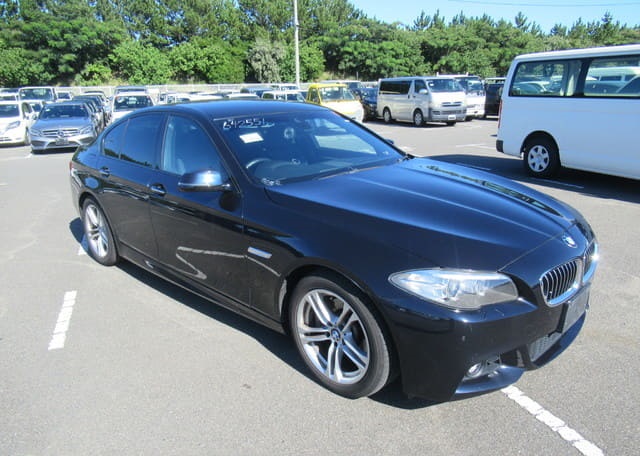
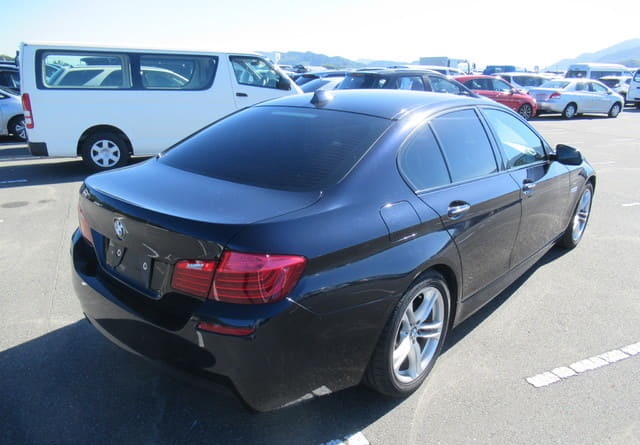
As a seasoned car inspector in Uganda, I’ve had the opportunity to analyze various vehicles under the unique driving conditions of our roads. The 2016 BMW 5 Series certainly catches the eye with its sleek design and reputation, but potential buyers need to consider several key factors. For city commuters navigating through Kampala’s bustling streets, fuel efficiency is paramount to minimize daily expenses amidst traffic. Conversely, those planning to travel upcountry may prioritize durability and performance on less-than-ideal surfaces, where the vehicle’s capabilities are truly tested. On a budget, it’s crucial to assess not only the purchase price but also the long-term maintenance costs associated with owning a luxury brand like BMW. As you contemplate the 2016 BMW 5 Series, one must ask: How does its fuel efficiency hold up during both urban and rural driving conditions? What are the expected maintenance costs for this model, especially when factoring in local availability of parts? Lastly, does the vehicle’s performance justify any potential sacrifices in practicality for a buyer intent on both luxury and utility?
Answer
Verdict
Suitable with conditions. The BMW 5 Series 2016 can offer good fuel efficiency, but its performance can be significantly affected by Kampala’s traffic, road conditions like potholes and speed humps, and the challenges posed during the rainy season.
Fuel Efficiency Overview
The BMW 5 Series 2016 generally offers a fuel efficiency range of approximately 10 to 14 kilometers per liter (km/L) depending on the specific model and driving conditions. Actual consumption may vary based on driving habits, load, and the type of engine.
Driving Conditions in Uganda
Kampala’s busy traffic often leads to stop-and-go situations that can reduce overall fuel efficiency. Beyond that, the city’s speed humps and potholes may necessitate a more cautious driving style, reducing fuel efficiency further.
Impact of Rainy Season
During the rainy season, slippery roads require more cautious driving, which may affect acceleration and braking patterns. This driving style can lead to lower fuel economy figures, especially in heavier models.
Upcountry Travel
When venturing upcountry, road conditions can vary dramatically, impacting fuel consumption. Highway driving may improve efficiency, but poorly maintained roads may lead to higher usage of fuel due to increased resistance and required caution.
Summary
The BMW 5 Series 2016 has the potential for good fuel efficiency, but local driving conditions are key factors that may impede optimal performance. It is crucial for users to consider local traffic patterns and road conditions when assessing fuel efficiency.
FAQs
1. What is the average fuel efficiency of the BMW 5 Series 2016 in Uganda?
The average fuel efficiency ranges between 10 to 14 km/L, varying with specific engine and driving conditions.
2. Does the traffic in Kampala affect fuel efficiency?
Yes, the stop-and-go nature of traffic in Kampala can significantly reduce overall fuel efficiency.
3. How do potholes and speed humps impact fuel consumption?
Frequent stops and slow speeds due to potholes and speed humps can lead to increased fuel consumption as the vehicle has to accelerate more often.
4. How does driving during the rainy season affect fuel economy?
Driving in the rainy season often requires a more cautious approach, which might reduce fuel efficiency compared to dry conditions.
5. Can fuel efficiency vary by engine type in the BMW 5 Series?
Yes, fuel efficiency can vary widely depending on the engine type and specific trim. For the most accurate data, it’s advisable to check via the VIN for the exact specifications of a particular vehicle.
The LAND ROVER DISCOVERY 3 2009, produced in 2009, embodies a robust design and advanced features that cater to off-road enthusiasts, making it a notable contender for Uganda’s diverse terrains....
The Land Rover Discovery 3 Manual Diesel 2008 is a robust vehicle well-suited for the varied terrains of Uganda, where off-road driving is often essential. Known for its advanced four-wheel...
The Land Rover Discovery 30-Diesel 2015 is a vehicle designed for both luxury and rugged terrain, making it a popular choice for adventurers in Uganda. With its powerful diesel engine,...
As an experienced car inspector in Uganda, I often encounter potential buyers eager to find a vehicle that meets their unique needs. Uganda’s diverse terrains—from bustling city streets to rugged...
Family owned dealership of new and pre-owned vehicles with several locations across the Uganda. Lowest prices and the best customer service guaranteed.
You're almost there, select at least one more to compare!
We use cookies to ensure that we give you the best experience on our website. If you continue to use this site we will assume that you are happy with it.
You can revoke your consent any time using the Revoke consent button.