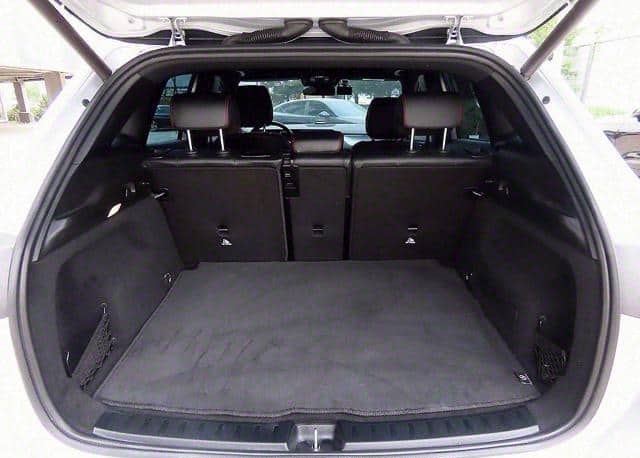
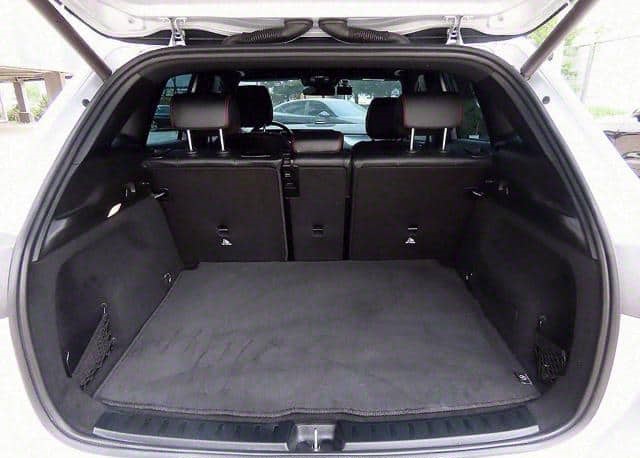
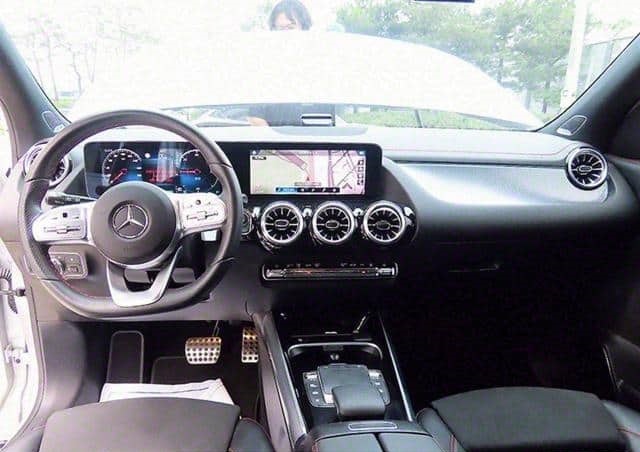
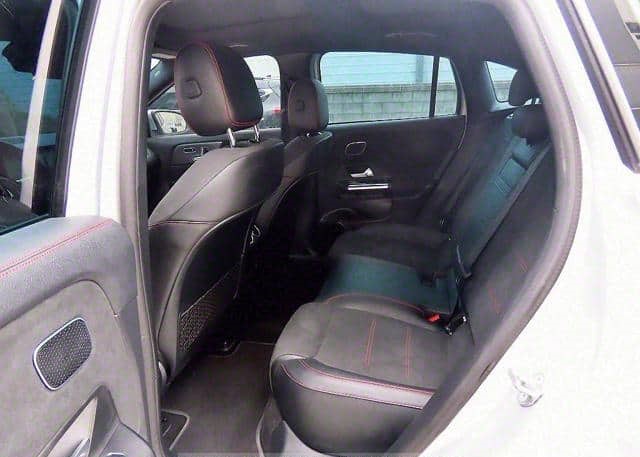
The Mercedes-Benz EQA 2021, an electric vehicle from a renowned luxury brand, introduces a compelling blend of advanced technology and premium features. In a country like Uganda, where road conditions can vary significantly—from well-paved urban streets to challenging rural paths—the suitability of this compact SUV becomes a critical discussion point. Although the EQA offers impressive sustainability credentials and innovative driving assistance systems, its performance in Uganda’s diverse terrain and fluctuating weather patterns warrants careful consideration. Factors such as ground clearance, battery efficiency, and the availability of charging infrastructure will greatly influence its usability and practicality for Ugandan drivers. As the nation increasingly embraces electric mobility, evaluating such vehicles in the context of local conditions is essential for informed decisions. This examination is particularly pertinent as Uganda’s automotive landscape evolves amidst ongoing infrastructural development and environmental considerations.
Introduction
The Mercedes-Benz EQA 2021 has captured attention worldwide for its sleek design and electric features. However, in Uganda, the question arises: Is it suitable for our varied road conditions? Let’s explore this in detail.
Understanding Uganda’s Road Conditions
Uganda’s roads range from well-paved highways to rugged dirt paths. During the rainy season, many areas become difficult to navigate due to mud and potholes. This presents challenges for any vehicle, especially electric ones.
Urban vs. Rural Roads
In urban areas like Kampala, the EQA may thrive on smoother roads. However, rural regions are often poorly maintained, making it essential to consider the vehicle’s off-road capabilities.
Performance and Range
The EQA boasts a reasonable electric range of around 400 kilometers on a full charge. In a country where charging stations are sparse, this range is beneficial for city driving but might pose issues for longer rural travels.
Battery Life and Weather Impact
Hot temperatures can affect battery performance. Uganda’s climate, with high humidity and temperatures, might reduce how efficiently the EQA operates. Planning for battery health and charging in warmer regions is necessary.
Charging Infrastructure
Charging stations in Uganda are limited, mainly found in urban centers. For EQA owners, knowing where to charge becomes crucial. Home charging options are also essential for long-term usage.
Cost Considerations
The initial investment for the EQA is substantial. Maintenance costs for electric vehicles can be lower, but finding repair services familiar with electric vehicles in Uganda might be challenging.
Suitability for Everyday Use
For daily commutes in urban settings, the EQA can be a good choice. It offers a balance of luxury and efficiency. However, for off-road excursions or extensive rural travel, it may not be the best option.
Final thoughts
The Mercedes-Benz EQA 2021 offers modern features and comfort, making it suitable for specific environments in Uganda. However, potential buyers must weigh the vehicle’s advantages against the practical challenges posed by local road conditions.
Summary
The Mercedes-Benz EQA 2021 stands as an impressive vehicle, especially for city driving. However, due to challenges like limited charging infrastructure, battery performance in Uganda’s climate, and road conditions, it’s essential to consider personal driving needs before making a purchase decision.
FAQs
1. How does the EQA perform on rough terrain?
The EQA is primarily designed for urban use, and its performance on rough terrain may not meet expectations compared to more rugged vehicles.
2. Are there enough charging stations in Uganda?
Currently, most charging stations are located in urban areas, making longer trips more challenging without proper planning.
3. What should I do if the battery gets low during a trip?
Consider mapping out charging station locations beforehand and ensuring that home charging options are available. Carrying a portable charger might also help.
4. Is the EQA suitable for families?
With adequate space and safety features, the EQA can be suitable for families commuting within urban settings.
5. How does rain affect the EQA’s performance?
The EQA should perform well in the rain, but caution is always advised on slippery or flooded roads to prevent accidents.
The Land Rover Discovery 3, produced in 2009, embodies a robust design and advanced features that cater to off-road enthusiasts, making it a notable contender for Uganda’s diverse terrains. Known...
The Land Rover Discovery 3 Manual Diesel 2008 is a robust vehicle well-suited for the varied terrains of Uganda, where off-road driving is often essential. Known for its advanced four-wheel...
The Land Rover Discovery 30-Diesel 2015 is a vehicle designed for both luxury and rugged terrain, making it a popular choice for adventurers in Uganda. With its powerful diesel engine,...
As an experienced car inspector in Uganda, I often encounter potential buyers eager to find a vehicle that meets their unique needs. Uganda’s diverse terrains—from bustling city streets to rugged...
Family owned dealership of new and pre-owned vehicles with several locations across the Uganda. Lowest prices and the best customer service guaranteed.
You're almost there, select at least one more to compare!
We use cookies to ensure that we give you the best experience on our website. If you continue to use this site we will assume that you are happy with it.
You can revoke your consent any time using the Revoke consent button.