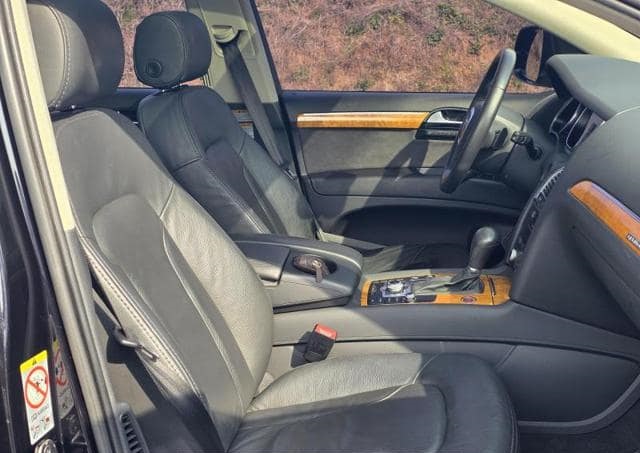
As an experienced car inspector based in Uganda, I’ve seen a wide range of vehicles and their performance on our diverse road conditions. When it comes to choosing a car, buyers often have different perspectives influenced by their unique needs. For those focused on city commuting, the Audi Q7’s size and features might present both a luxury experience and challenges with urban traffic and tight parking spaces. For those who frequently travel upcountry, the robustness and all-wheel-drive capability could be appealing, but they may question its ability to handle rough, unpaved roads. Finally, budget-conscious buyers will always weigh the initial cost against potential maintenance and fuel efficiency, especially considering the high costs of spare parts for premium brands. Given these perspectives, important concerns often arise. How well does the Audi Q7 perform on Uganda’s notoriously uneven road surfaces? Will the maintenance costs outweigh the benefits for the average Ugandan consumer? And can the vehicle cope with the demands of both city and rural driving without compromising performance?
Answer
Verdict
Suitable with conditions. The AUDI Q7 2010 offers a robust build and all-wheel drive, making it a good choice for Uganda’s challenging road conditions, but its performance can be affected by Kampala’s traffic, potholes, and rainy seasons.
Performance and Fuel Efficiency
The AUDI Q7 2010 typically delivers between 8 to 12 km per liter, depending on the engine and driving conditions. In urban areas like Kampala, expect lower efficiency due to stop-and-go traffic, while rural upcountry roads may improve fuel consumption. Always verify fuel efficiency based on specific trim and VIN.
Handling Uganda’s Road Conditions
Kampala’s traffic can be congested, necessitating a vehicle with strong maneuverability. The AUDI Q7’s height and suspension allow it to better navigate speed humps and potholes, but utmost care is required, especially during the rainy season. The vehicle’s size may also pose challenges in narrower roads typical of many Ugandan neighborhoods.
Comfort and Space
The AUDI Q7 offers ample space for both passengers and cargo. With three rows of seating, it is a family-friendly option that accommodates the needs of larger households. However, consider the air conditioning system’s effectiveness during the hot months, as proper cooling is essential for comfort in Uganda’s climate.
Maintenance and Availability of Parts
Owning an AUDI Q7 in Uganda may present challenges regarding maintenance and the availability of parts. Local service centers may not specialize in foreign luxury vehicles, leading to potentially higher service costs and longer wait times for parts.
Insurance and Resale Value
Insurance for luxury vehicles like the AUDI Q7 can be on the higher side. Additionally, consider the factors affecting resale value in Uganda, including brand popularity, condition, and maintenance history.
Summary
The AUDI Q7 2010 is a solid contender for navigating Uganda’s diverse road conditions, particularly for those requiring space and comfort. However, potential owners should be prepared for challenges related to maintenance, fuel efficiency, and traffic in urban areas.
FAQs
1. Is the AUDI Q7 2010 capable of handling muddy roads?
Yes, its all-wheel-drive system provides better traction on muddy surfaces, making it suitable for rural and upcountry roads.
2. What should I consider while driving in Kampala traffic?
Always be cautious of speed humps and potholes; the Q7’s larger size may require extra vigilance in tight spaces.
3. How does the AUDI Q7 perform during the rainy season?
The vehicle’s design and all-wheel drive help with stability, but drivers should remain cautious of flooded areas and standing water.
4. Where can I find replacement parts for the AUDI Q7 in Uganda?
Parts may be available at specialized auto shops or through online suppliers, but be prepared for longer wait times.
5. Is it economical to own an AUDI Q7 in Uganda?
While it provides comfort and capability, the higher maintenance and fuel costs may not make it the most economical choice compared to smaller vehicles.
The LAND ROVER DISCOVERY 3 2009, produced in 2009, embodies a robust design and advanced features that cater to off-road enthusiasts, making it a notable contender for Uganda’s diverse terrains....
The Land Rover Discovery 3 Manual Diesel 2008 is a robust vehicle well-suited for the varied terrains of Uganda, where off-road driving is often essential. Known for its advanced four-wheel...
The Land Rover Discovery 30-Diesel 2015 is a vehicle designed for both luxury and rugged terrain, making it a popular choice for adventurers in Uganda. With its powerful diesel engine,...
As an experienced car inspector in Uganda, I often encounter potential buyers eager to find a vehicle that meets their unique needs. Uganda’s diverse terrains—from bustling city streets to rugged...
Family owned dealership of new and pre-owned vehicles with several locations across the Uganda. Lowest prices and the best customer service guaranteed.
You're almost there, select at least one more to compare!
We use cookies to ensure that we give you the best experience on our website. If you continue to use this site we will assume that you are happy with it.
You can revoke your consent any time using the Revoke consent button.