

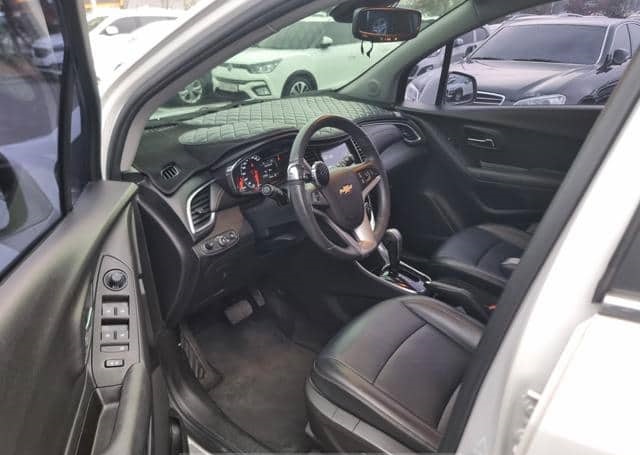
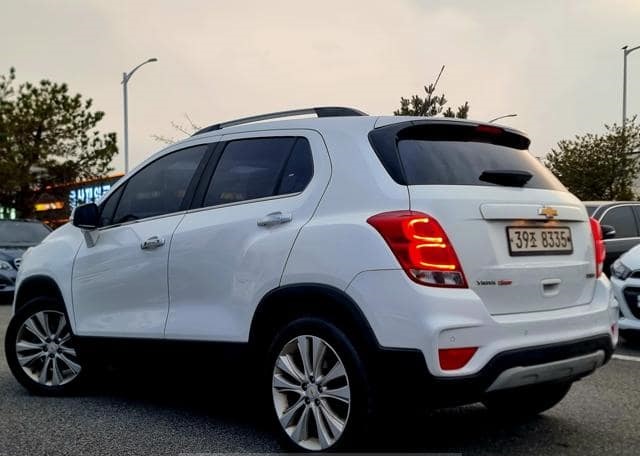
The 2018 CHEVROLET TRAX is a subcompact crossover designed primarily for urban buyers who need small‑car maneuverability with the higher driving position and flexible cargo space of an SUV. Below is a focused look at how the Trax performs in city and highway driving, how it rides, what kind of fuel economy owners can expect, and how practical it is for everyday use.
City Performance
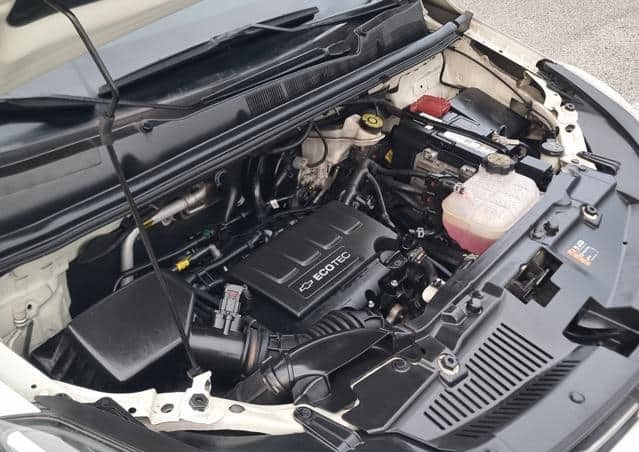
In city driving the Trax is well suited to tight streets and frequent stops. Its turbocharged 1.4‑liter four‑cylinder engine provides adequate low‑end torque for city acceleration, helping with merges and short bursts of acceleration from traffic lights. The Trax’s compact footprint and tight turning radius make parking and maneuvering in congested areas straightforward.
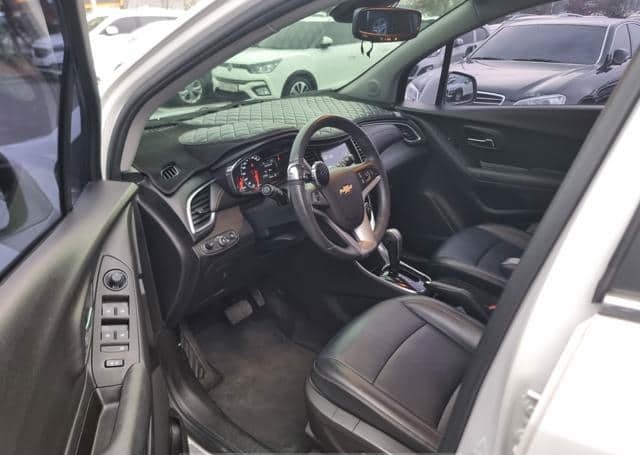
Steering effort is generally light at low speeds, making it easy to thread through urban traffic or angle into tight parking spots. The automatic transmission shifts smoothly in normal driving; however, drivers who press the throttle aggressively may notice the small turbo and transmission working harder to maintain pace, which can produce a bit more engine noise and slightly slower responses than you’ll feel in larger, more powerful crossovers.
Highway Performance
On the highway, the Trax is most comfortable maintaining moderate speeds and handling routine passing maneuvers. The turbocharged motor is capable of merging into freeway traffic, but sustained high‑speed runs and extensive passing at high speeds will reveal its limits: the Trax isn’t built as a high‑performance cruiser. Wind and road noise are more noticeable at higher speeds compared with larger, quieter crossovers.
Available all‑wheel drive improves traction and composure in poor weather, but it does not substantially alter straight‑line performance. If you do a lot of long highway driving or frequently carry heavy loads and want brisk acceleration, a larger or more powerful vehicle may be a better choice.
Ride Quality and Comfort
Suspension tuning on the Trax leans toward city comfort. The short wheelbase and compact dimensions allow the Trax to absorb bumps and potholes reasonably well in town, but the ride can be busy over rough pavement. You’ll feel small impacts and ripples in the road more than in mid‑size crossovers, which is typical for the subcompact segment.
Front seats are generally supportive enough for daily commuting, although taller passengers may find rear‑seat legroom limited on longer trips. The cabin layout is straightforward, with a driver‑facing dashboard and controls that are easy to reach. Materials and insulation are consistent with the Trax’s value positioning — durable and functional rather than plush.
Fuel Economy
Fuel efficiency is one of the Trax’s strong points. The small turbocharged engine combined with the Trax’s light weight translates to competitive fuel consumption for the class. Front‑wheel‑drive models typically deliver the best economy; adding all‑wheel drive reduces the highway figures slightly.
Real‑world economy depends on driving style and conditions. Expect better city fuel use than in many larger SUVs, and reasonable highway mileage for commuting and occasional road trips. Aggressive acceleration, heavy loads, or constant high‑speed driving will reduce those numbers, as with any vehicle.
Practicality and Everyday Use
Practicality is a major reason shoppers choose the Trax. Its short overall length and compact turning circle make it practical around town, while the tall roofline and upright seating provide good outward visibility. Cargo space is modest but flexible: the rear seats fold to expand the load area, so you can handle grocery runs, luggage for short trips, or bulky items that don’t require a full‑size SUV.
Standard and available features on 2018 models include modern safety and convenience amenities like a rearview camera, touchscreen infotainment with smartphone integration (Apple CarPlay/Android Auto on many trims), and optional driver‑assist features via packages. Storage cubbies, cupholders, and door pockets are thoughtfully placed for daily items.
Maintenance and ownership costs are generally in line with other small crossovers — relatively affordable parts and common service intervals — and the Trax tends to be economical to insure and maintain compared with larger vehicles.
Strengths and Trade‑offs
- Strengths: Compact size for city driving, good fuel efficiency for the class, flexible cargo area, available all‑wheel drive, and modern infotainment options.
- Trade‑offs: Limited rear‑seat space and cargo capacity compared with larger crossovers, noticeable engine and road noise at highway speeds, and modest power when fully loaded or during sustained high‑speed driving.
Who the 2018 Trax Is For
The Trax is ideal for urban commuters, small families, and buyers who prioritize economy, ease of parking, and a higher seating position without needing a lot of cargo room. It’s a practical second car for city dwellers or a primary vehicle for those who mostly drive locally and occasionally take highway trips.
Final thoughts
The 2018 CHEVROLET Trax strikes a pragmatic balance between city friendliness and highway usability. It excels in urban environments thanks to its compact size, easy steering, and efficient engine. On the highway it performs capably for everyday commuting and long drives, though it’s not a performance cruiser — you’ll notice more engine, wind, and road noise than in larger crossovers. Fuel economy and low ownership costs are strong selling points, and the Trax’s flexible interior makes it a sensible choice for buyers who want SUV styling and practicality within a subcompact footprint. If you value maneuverability, low running costs, and a straightforward feature set, the Trax remains a competitive choice in its segment; if you frequently carry passengers or cargo and spend lots of time on the interstate, you may prefer a larger model.
FAQs
- Q: Does the 2018 Trax come with all‑wheel drive?
- A: Yes. All‑wheel drive is available on many 2018 Trax trims and helps with traction in rain and snow, though it reduces fuel economy slightly compared with front‑wheel‑drive models.
- Q: Is the Trax economical to run?
- A: Generally yes. The small turbocharged engine and compact size deliver competitive fuel economy and modest maintenance costs, making the Trax economical for daily driving.
- Q: How is passenger and cargo space in the Trax?
- A: The Trax offers comfortable seating for front passengers and usable, if somewhat tight, rear seats for adults on short trips. Cargo room is modest but expandable with the rear seats folded, suitable for groceries, small suitcases, and everyday items.
- Q: Is the Trax comfortable on long highway trips?
- A: The Trax is capable of highway travel, but those who frequently drive long distances might notice more road and wind noise and less rear‑seat comfort than in larger crossovers. For occasional highway use it’s fine; for regular long hauls a larger vehicle may be preferable.
- Q: What are the common complaints about the 2018 Trax?
- A: Common points of criticism include limited rear legroom and cargo volume compared with larger SUVs, noticeable noise at highway speeds, and modest acceleration when heavily loaded. Many of these are trade‑offs for its small size and affordability.


