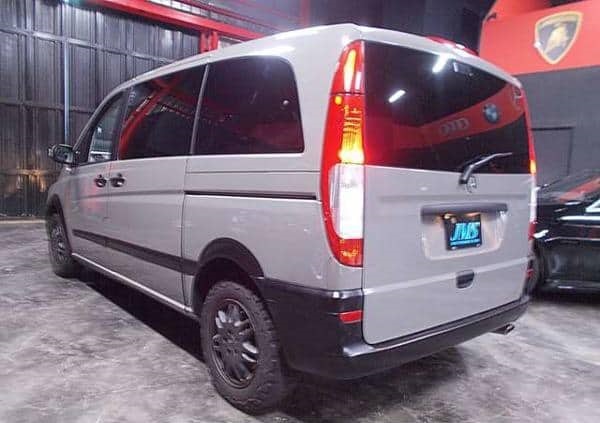
The Mercedes-Benz V-Class, introduced in 2007, is known for its luxurious design and advanced engineering, but its suitability for Ugandan roads is a nuanced consideration. Uganda’s diverse terrain, characterized by both urban and rural landscapes, presents unique challenges for vehicles. The V-Class, with its spacious interior and high-quality features, can provide comfort for families and travelers navigating the bustling streets of Kampala or the more rugged rural areas. However, factors such as off-road capability, suspension durability, and maintenance accessibility also play critical roles in assessing its performance. With varied road conditions that include potholes, unpaved paths, and seasonal rainfall impacts, understanding the vehicle’s adaptability is essential for potential owners in Uganda. Ultimately, a thorough evaluation of its engineering against the backdrop of local driving conditions will determine its overall effectiveness and reliability in this context.
Introduction
The Mercedes-Benz V-Class 2007 offers luxury and space, making it a popular choice for families and businesses. However, in a country like Uganda, with its varying road conditions, it’s important to evaluate whether this vehicle can really withstand the local environment.
Design and Comfort
The V-Class is designed with comfort in mind. Its spacious interior can seat multiple passengers comfortably, making it ideal for group travel. The plush seats and premium materials provide a high-end feel.
However, the ride height may pose a challenge on uneven roads. While it provides good visibility, it may struggle with deeper potholes common in rural areas.
Performance
Engine and Fuel Efficiency
The V-Class comes with a robust engine, offering decent power for city driving. However, fuel efficiency can be a concern. In urban settings like Kampala, heavy traffic can lead to increased fuel consumption.
Handling on Rough Roads
While the V-Class performs well on paved roads, the handling on Uganda’s rough terrain is less than stellar. Drivers may find it bounces excessively over potholes, which could impact comfort during long journeys.
Maintenance Considerations
Owning a Mercedes-Benz in Uganda means considering the availability of parts and services. While some urban areas have access to parts and skilled mechanics, rural regions may lack proper service options.
Routine maintenance is crucial. Regularly checking the suspension and tires is recommended to ensure longevity, especially given the road conditions.
Safety Features
The V-Class offers various safety features, including airbags and stability control. These are beneficial for protecting passengers on unpredictable roads. Yet, keep in mind that safety ratings may not be as high due to the vehicle’s size and weight.
Resale Value
While the initial investment is significant, the resale value of the V-Class tends to hold well in urban markets. Many buyers appreciate the brand’s prestige and the vehicle’s comfort for family use or business transportation.
Final thoughts
In summary, while the Mercedes-Benz V-Class 2007 provides luxury and comfort, potential owners should weigh its performance on Uganda’s roads. It can be a good option for city driving and family outings but may require adjustments for rural routes.
Summary
Overall, the Mercedes-Benz V-Class 2007 has many strengths, yet it may face challenges on Uganda’s often unpredictable roads. Outside urban settings, its handling may falter, and maintenance could become an issue. Before making a decision, prospective buyers should consider their specific needs and local conditions.
FAQs
1. Is the V-Class suitable for long-distance travel in Uganda?
Yes, it is comfortable for long trips, but the handling can be affected by poor road conditions.
2. Can I find replacement parts for a 2007 V-Class easily in Uganda?
In urban areas, parts can be sourced readily, but rural areas may have limited availability.
3. How does the fuel efficiency of the V-Class compare to local vehicles?
The fuel efficiency of the V-Class may be lower than smaller, economy cars commonly used in Uganda.
4. Are the safety features in the V-Class adequate for local driving conditions?
While it offers good basic safety features, be cautious of driving on very uneven roads.
5. What should I consider when maintaining a V-Class in Uganda?
Regular maintenance checks are vital, especially for suspension and tires, due to the road conditions.
The LAND ROVER DISCOVERY 3 2009, produced in 2009, embodies a robust design and advanced features that cater to off-road enthusiasts, making it a notable contender for Uganda’s diverse terrains....
The Land Rover Discovery 3 Manual Diesel 2008 is a robust vehicle well-suited for the varied terrains of Uganda, where off-road driving is often essential. Known for its advanced four-wheel...
The Land Rover Discovery 30-Diesel 2015 is a vehicle designed for both luxury and rugged terrain, making it a popular choice for adventurers in Uganda. With its powerful diesel engine,...
As an experienced car inspector in Uganda, I often encounter potential buyers eager to find a vehicle that meets their unique needs. Uganda’s diverse terrains—from bustling city streets to rugged...
Family owned dealership of new and pre-owned vehicles with several locations across the Uganda. Lowest prices and the best customer service guaranteed.
You're almost there, select at least one more to compare!
We use cookies to ensure that we give you the best experience on our website. If you continue to use this site we will assume that you are happy with it.
You can revoke your consent any time using the Revoke consent button.