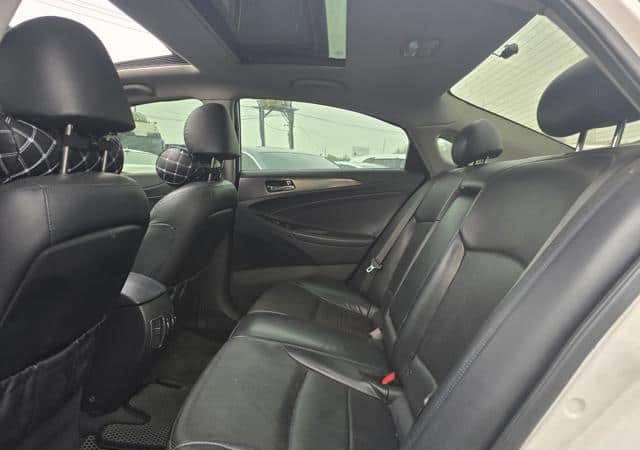
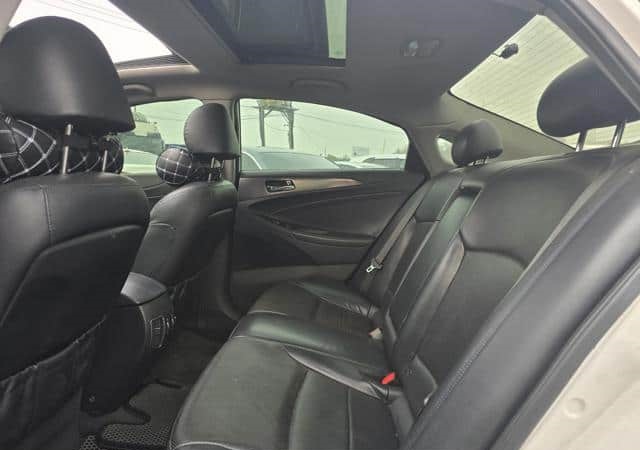
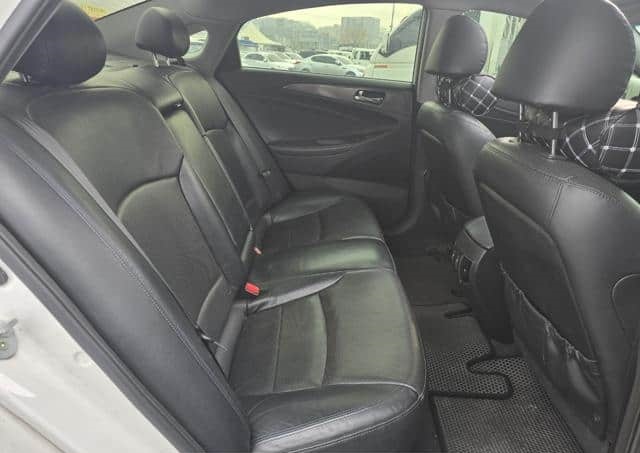
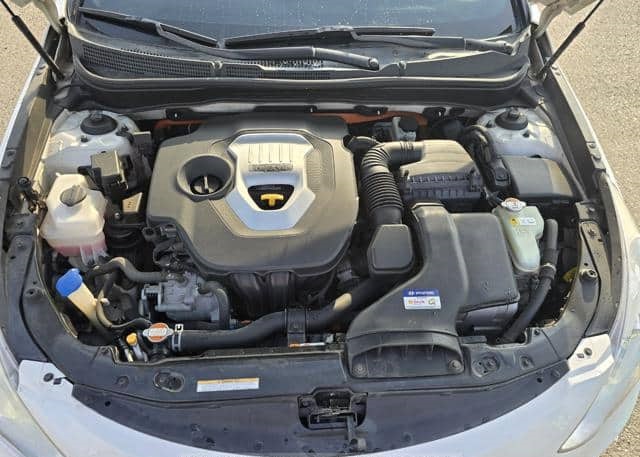
The 2012 Hyundai Sonata Hybrid is often lauded for its fuel efficiency, particularly in urban settings where stop-and-go traffic can heavily impact consumption. With a focus on environmentally friendly technology, this model integrates a gasoline engine with an electric motor, allowing for seamless transitions between the two sources of power. This hybrid model is designed to maximize fuel efficiency, capitalizing on regenerative braking and a refined aerodynamic profile. As city driving typically requires frequent acceleration and deceleration, the Sonata Hybrid’s capabilities in this context make it an appealing option for those navigating congested roads. Additionally, its comfortable interior and user-friendly technology enhance the overall driving experience, further establishing it as a practical choice for urban commuters. Consequently, the Sonata Hybrid stands out as a viable contender for fuel-efficient city driving in Uganda’s dynamic urban landscape.
Introduction
The 2012 Hyundai Sonata Hybrid stands out in the car market for its blend of style, comfort, and technology. But how does it perform in the bustling streets of Uganda? With congested roads and variable fuel prices, many drivers are keen on fuel efficiency. Let’s explore how this model measures up for city driving.
Overview of the 2012 Hyundai Sonata Hybrid
This hybrid sedan features a 2.4-liter four-cylinder engine paired with an electric motor. It aims to deliver impressive fuel economy while providing a smooth ride. With a focus on both performance and efficiency, it targets urban drivers who face daily traffic jams.
Fuel Efficiency Ratings
The Sonata Hybrid boasts an EPA rating of around 40 mpg in the city. This is a significant advantage in Uganda, where stop-and-go driving can take a toll on fuel consumption. The electric motor assists during acceleration, reducing the burden on the petrol engine.
Urban Driving Experience
In Uganda’s crowded streets, the Sonata Hybrid excels. Its compact design makes it easier to navigate through busy areas. With an automatic transmission, shifting gears is effortless, allowing drivers to focus on the road.
Regenerative Braking
This feature harnesses energy during braking, converting it back to battery power. In urban settings where frequent stops are the norm, this system helps improve overall efficiency. Drivers may find they spend less on fuel, as the battery assists the engine more often.
Maintenance Costs
Owning a hybrid can sometimes lead to concerns about maintenance. However, the Sonata Hybrid comes with a warranty that covers major components. Local mechanics are becoming more familiar with hybrid technology, making maintenance feasible and affordable in Uganda.
Driving in Uganda’s Environment
The Sonata Hybrid performs well on both paved and unpaved roads. However, potholes and rough surfaces can affect its ride quality. It’s essential for drivers to consider this when choosing routes in urban areas.
Comparative Analysis
When stacked against other vehicles in its class, the Sonata Hybrid holds its ground. Models like the Toyota Camry Hybrid and Honda Accord Hybrid also offer fuel efficiency but often come at a higher price point. For Ugandan drivers, affordability matters.
Price and Value
The resale value of the Sonata Hybrid tends to remain stable. Many drivers appreciate its value for money, particularly in terms of fuel savings over time. It makes a strong case for anyone considering a hybrid in Uganda.
Environmental Impact
By driving a hybrid like the Sonata, owners contribute to reduced emissions. In a growing city like Kampala, this is particularly important as concerns about air quality rise. Choosing such a vehicle can represent a step towards a greener future.
Summary
The 2012 Hyundai Sonata Hybrid is indeed a fuel-efficient option for city driving in Uganda. With its impressive fuel economy, regenerative braking, and manageable maintenance costs, it stands as a practical choice for urban dwellers. The combination of affordability, performance, and environmental benefits makes it a suitable vehicle for many drivers.
FAQs
1. How fuel-efficient is the 2012 Sonata Hybrid in city driving?
The Sonata Hybrid achieves around 40 mpg in urban settings, making it quite fuel-efficient for city use.
2. What maintenance is required for the Sonata Hybrid?
Regular oil changes, tire rotations, and battery checks are essential. Local mechanics are becoming familiar with hybrids, making maintenance easier.
3. Does the Sonata Hybrid perform well on rough roads?
While it’s designed for paved streets, the Sonata can handle rough roads, but drivers should be cautious of potholes and larger bumps.
4. How does the Sonata Hybrid’s resale value compare?
The resale value remains stable, often making it a financially sound investment for buyers.
5. What are the environmental benefits of driving a hybrid?
Hybrids like the Sonata produce fewer emissions compared to traditional vehicles, contributing to better air quality in urban areas.
The LAND ROVER DISCOVERY 3 2009, produced in 2009, embodies a robust design and advanced features that cater to off-road enthusiasts, making it a notable contender for Uganda’s diverse terrains....
The Land Rover Discovery 3 Manual Diesel 2008 is a robust vehicle well-suited for the varied terrains of Uganda, where off-road driving is often essential. Known for its advanced four-wheel...
The Land Rover Discovery 30-Diesel 2015 is a vehicle designed for both luxury and rugged terrain, making it a popular choice for adventurers in Uganda. With its powerful diesel engine,...
As an experienced car inspector in Uganda, I often encounter potential buyers eager to find a vehicle that meets their unique needs. Uganda’s diverse terrains—from bustling city streets to rugged...
Family owned dealership of new and pre-owned vehicles with several locations across the Uganda. Lowest prices and the best customer service guaranteed.
You're almost there, select at least one more to compare!
We use cookies to ensure that we give you the best experience on our website. If you continue to use this site we will assume that you are happy with it.
You can revoke your consent any time using the Revoke consent button.