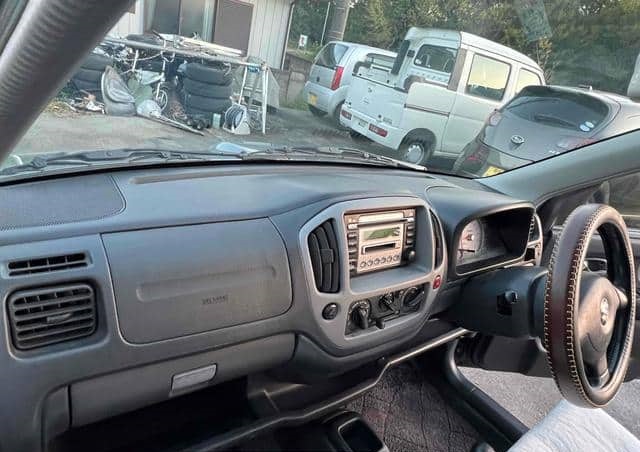
If you’re in the market for a compact car and have your eyes set on a 2005 SUZUKI KEI, it’s essential to do your research. This stylish vehicle is known for its fuel efficiency and compact design, making it a popular choice among urban drivers. However, like any used car, it’s important to consider its mechanical components, particularly the engine, gearbox, and drivetrain. Below is a breakdown of these key points for prospective buyers.
The 2005 Suzuki Kei is a part of the Japanese Kei car segment, where vehicles are designed to be small, efficient, and affordable. This category of vehicles is known for its low emissions and high fuel efficiency, and the Suzuki Kei is no exception. It comes equipped with a petite yet reliable engine, spacious interior, and surprisingly good driving dynamics.
1. The Engine
The engine is the heart of any vehicle, and in the case of the Suzuki Kei, it plays a vital role in its overall performance and longevity.
Engine Type: The 2005 model typically features a 660cc 3-cylinder engine, which is specifically designed to provide a balance between power and fuel efficiency.
Power Output: Expect around 64 horsepower, which may not sound like much, but is adequate for city driving and short commutes.
Fuel Efficiency: With remarkable fuel efficiency, the Suzuki Kei can achieve upwards of 40-45 mpg, helping to keep running costs low.
Common Issues: Look for any signs of oil leaks or unusual noise from the engine. Regular maintenance is crucial to ensure longevity, so inquire about the service history.
2. Gearbox
The gearbox is another critical component in ensuring smooth and reliable driving. Here’s what you need to know:
Transmission Options: The 2005 Suzuki Kei may come with either a 5-speed manual or a 4-speed automatic transmission, allowing you to choose based on your driving preference.
Shifting Performance: Test drive the vehicle to check for any difficulty in shifting gears, while also listening for any unusual sounds that may indicate a problem.
Clutch Wear: If opting for the manual version, be sure to check the clutch for any signs of slipping or wear. Replacing a clutch can be costly and may hint at prior neglect.
Fluid Condition: Always check the gearbox fluid condition and levels. Dark, burnt fluid can indicate neglect or issues.
3. Drivetrain Components
The drivetrain components, including the axles, differential, and drive shaft, are crucial for transmitting power from the engine to the wheels. Here are some important considerations:
Type of Drivetrain: The Kei typically features front-wheel drive (FWD), which aids in fuel efficiency and provides good traction in urban settings.
Suspension System: Inspect the suspension for any signs of wear or damage, such as leaks from struts or shocks. A well-maintained suspension is key to a comfortable ride.
Axles and Joints: Listen for any clicking sounds during turning, which can indicate worn-out CV joints—an important aspect to assess during your inspection.
Maintenance History: Inquire about repairs or replacements of drivetrain components, as a neglected drivetrain can lead to expensive repairs later on.
Final thoughts
When considering a 2005 Suzuki Kei, understanding the intricacies of the engine, gearbox, and drivetrain is crucial for ensuring a solid purchase. Given its advantages of fuel efficiency and compactness, the Suzuki Kei can serve as an excellent choice for city dwellers or anyone seeking a reliable daily driver. However, thorough checks and an understanding of potential issues can make all the difference in your ownership experience. Always take the time to inspect these critical components and, when possible, opt for a pre-purchase inspection by a professional to save on costly repairs in the future.
FAQs
1. What is the typical price range for a 2005 Suzuki Kei?
The price can vary widely based on condition and location, but you can generally expect it to range from $2,000 to $5,000.
2. Is the Suzuki Kei reliable?
Yes, Suzuki vehicles are generally known for their reliability, especially when properly maintained.
3. What are the common issues I should be aware of?
Common issues include engine oil leaks, transmission difficulties, and drivetrain wear, particularly in higher mileage vehicles.
4. Does the Kei require special insurance?
Kei cars often qualify for lower insurance rates due to their size and engine capacity, but check with your provider for specifics.
5. Can I find parts easily for the Suzuki Kei?
While parts availability may vary by region, many parts can be sourced online or through specialty automotive stores focusing on Japanese cars.
In the rapidly evolving world of automotive engineering, efficiency and practicality have taken center stage, especially for urban environments. When discussing vehicles designed for city driving and light commuting, an...
The 2005 SUZUKI KEI is a compact car that stands out in the Kei car segment, a category of small vehicles defined by specific regulations in Japan. One of its...
As an experienced car inspector in Uganda, I’ve seen a growing interest in compact vehicles like the 2007 Suzuki Kei, particularly among urban drivers. City commuters often prioritize fuel efficiency...
When it comes to selling or trading in your vehicle, understanding its current market value is essential. In Uganda, the automotive market has unique characteristics influenced by various factors. For...
Family owned dealership of new and pre-owned vehicles with several locations across the Uganda. Lowest prices and the best customer service guaranteed.
You're almost there, select at least one more to compare!
We use cookies to ensure that we give you the best experience on our website. If you continue to use this site we will assume that you are happy with it.
You can revoke your consent any time using the Revoke consent button.