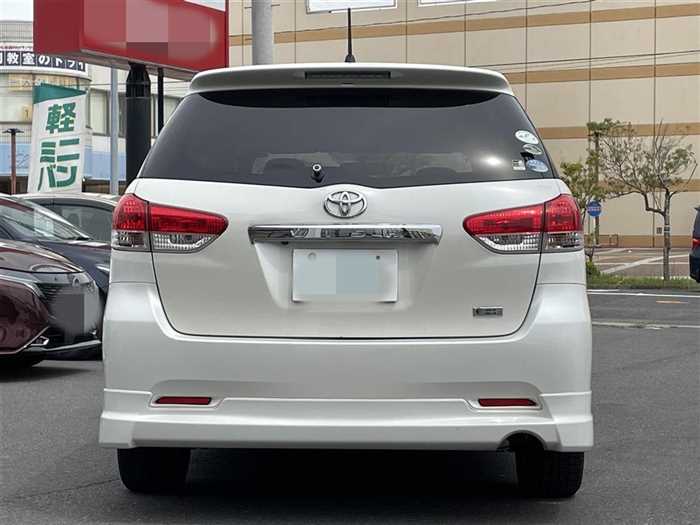
As an experienced car inspector in Uganda, I frequently encounter potential buyers weighing their options for the Toyota Wish 2009, particularly regarding its fuel efficiency. In the bustling city of Kampala, urban commuters prioritize vehicles that can navigate heavy traffic while keeping fuel costs manageable. Meanwhile, those planning upcountry travel often seek reliability and the capability to handle rough roads, while still being mindful of fuel consumption. Budget-conscious buyers also focus on long-term maintenance expenses, evaluating how the vehicle will perform over time. Given these perspectives, several questions arise: Does the Toyota Wish 2009 provide adequate fuel efficiency for long city commutes? How well does it perform on uneven rural roads during longer trips? Lastly, what are the anticipated maintenance costs, and how do they compare to the initial expenses of owning a vehicle like this? Addressing these concerns is crucial for making an informed decision that aligns with individual needs and circumstances.
Answer
Verdict
Suitable with conditions. The Toyota Wish 2009 offers decent fuel efficiency, but its performance may be affected by Kampala’s traffic, potholes, and the condition of upcountry roads, especially during the rainy season.
Fuel Efficiency Overview
The Toyota Wish 2009 generally achieves between 10 to 15 kilometers per liter, depending on driving conditions and the specific trim model. Higher consumption can occur in congested Kampala traffic or on poorly kept roads.
Driving Conditions in Uganda
Considering Uganda’s urban and rural driving conditions, fuel efficiency can vary significantly. Navigating Kampala’s traffic and speed humps may lead to higher fuel usage, while long trips on upcountry roads may yield better efficiency if driven at steady speeds.
Road Conditions Impact
In Uganda, potholes and unpaved surfaces are common. The Wish’s efficiency can drop due to frequent stops and starts required on these types of roads. During the rainy season, driving conditions worsen, potentially causing further fuel consumption increases.
Performance Variability
The actual fuel efficiency can fluctuate based on vehicle maintenance, load, and driving habits. If considering purchase, it is advisable to verify the specifics based on the vehicle identification number (VIN) to get detailed specifications related to fuel consumption.
Summary
The Toyota Wish 2009 presents a reasonably good option for Ugandan roads when considering its fuel efficiency. However, potential buyers should account for the impact of local driving conditions and verify efficiency stats for the specific vehicle they are looking at.
FAQs
1. What is the average fuel consumption of the Toyota Wish 2009 on Ugandan roads?
The average fuel consumption is typically between 10 to 15 kilometers per liter, influenced by driving conditions.
2. How does traffic in Kampala affect fuel efficiency?
Heavy traffic leads to increased idling time and frequent acceleration, which can decrease overall fuel efficiency.
3. Are there specific maintenance tips to improve fuel efficiency?
Regular servicing, maintaining proper tire pressure, and ensuring clean air filters can enhance fuel efficiency.
4. How does the rainy season impact fuel consumption?
Wet and slippery roads can necessitate slower driving and frequent stops, which may lead to increased fuel consumption.
5. Is the Toyota Wish 2009 reliable for long-distance travel in Uganda?
Yes, but it’s essential to consider road conditions and vehicle status. Proper maintenance is crucial for reliability on longer journeys.
The LAND ROVER DISCOVERY 3 2009, produced in 2009, embodies a robust design and advanced features that cater to off-road enthusiasts, making it a notable contender for Uganda’s diverse terrains....
The Land Rover Discovery 3 Manual Diesel 2008 is a robust vehicle well-suited for the varied terrains of Uganda, where off-road driving is often essential. Known for its advanced four-wheel...
The Land Rover Discovery 30-Diesel 2015 is a vehicle designed for both luxury and rugged terrain, making it a popular choice for adventurers in Uganda. With its powerful diesel engine,...
As an experienced car inspector in Uganda, I often encounter potential buyers eager to find a vehicle that meets their unique needs. Uganda’s diverse terrains—from bustling city streets to rugged...
Family owned dealership of new and pre-owned vehicles with several locations across the Uganda. Lowest prices and the best customer service guaranteed.
You're almost there, select at least one more to compare!
We use cookies to ensure that we give you the best experience on our website. If you continue to use this site we will assume that you are happy with it.
You can revoke your consent any time using the Revoke consent button.