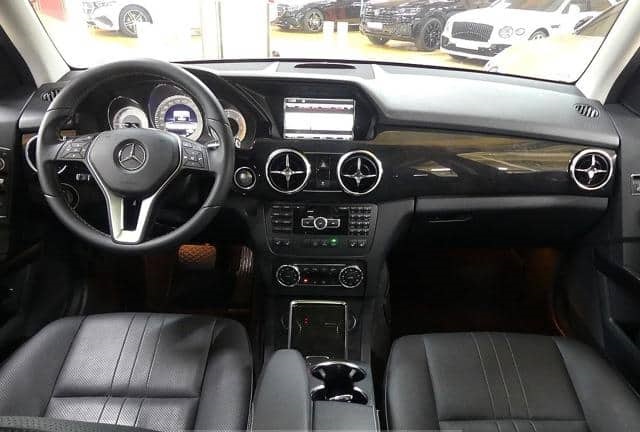
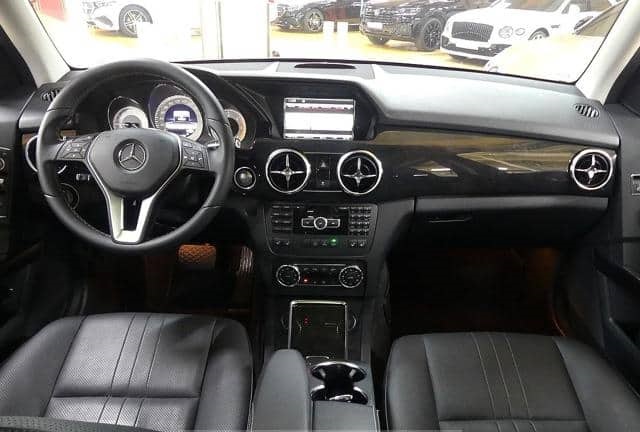
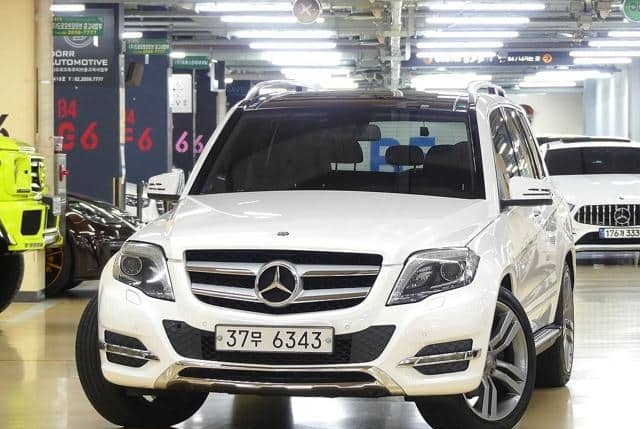
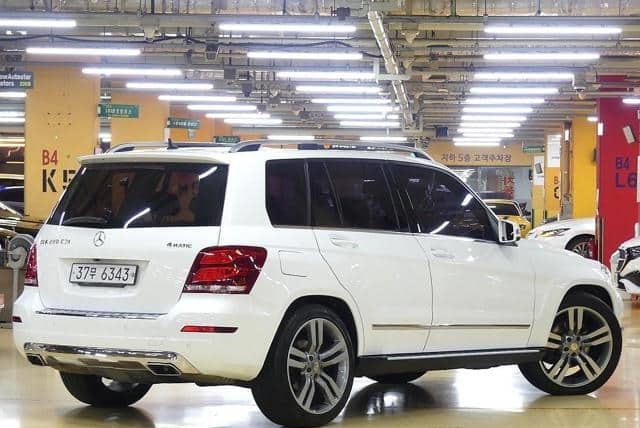
The 2013 Mercedes-Benz GLK-Class is a compact luxury SUV that combines style, comfort, and performance, making it a popular choice for many SUV enthusiasts. When evaluating its fuel efficiency for Ugandan roads, various factors come into play, including road conditions, terrain, and the driving habits common in the country. While the GLK-Class boasts a respectable fuel economy rating, the reality of navigating Uganda’s diverse landscapes—ranging from urban areas to rural paths—can impact overall efficiency. Additionally, the vehicle’s engineering, featuring a well-tuned powertrain, provides both power and efficiency under varying loads. Understanding how this model performs in real-world conditions is crucial for potential buyers in Uganda. Therefore, assessing its fuel efficiency in the context of local driving experiences is essential to determine its suitability for everyday use.
Introduction
The MERCEDES-BENZ GLK-CLASS GLK-CLASS4 2013 is renowned for its luxury and performance. In Uganda, understanding its fuel efficiency is essential, given the unique road conditions and fuel prices. This article evaluates whether this SUV is a wise choice for Ugandan drivers concerned about fuel consumption.
Understanding Fuel Efficiency
Fuel efficiency refers to how far a vehicle can travel on a specific amount of fuel. For the GLK-CLASS4, this metric is determined by both the engine capabilities and driving conditions.
Engine Specifications
The 2013 GLK-CLASS4 typically comes with a 3.5L V6 engine, producing good power for both urban and rural driving in Uganda. Its automatic transmission aids smooth gear changes, which can help in conserving fuel.
Fuel Consumption Ratings
On average, the GLK-CLASS4 achieves about 18 miles per gallon (mpg) in the city and 25 mpg on the highway. In kilometers, this translates roughly to 7.6 liters per 100 kilometers in the city and 9.4 liters per 100 kilometers on highways.
Driving Conditions in Uganda
Uganda’s road conditions vary, from paved highways to rough terrain. This variability significantly impacts actual fuel consumption.
Urban Driving
In cities like Kampala, stop-and-go traffic is common. While the GLK-CLASS4 performs adequately, heavy traffic can reduce fuel efficiency. Urban drivers might experience consumption closer to the lower end of the GLK’s ratings.
Rural Roads
For rural driving, where roads may be less developed, the GLK-CLASS4 handles rough conditions but at a cost to fuel efficiency. The vehicle will likely consume more fuel when navigating bumpy or steep roads.
Cost of Fuel in Uganda
As of 2025, fuel prices in Uganda fluctuate, significantly impacting the total cost of ownership for vehicles. With petrol prices averaging around UGX 5,000 per liter, frequent refueling can add to overall expenses for GLK-CLASS4 owners.
Comparative Models
If fuel efficiency is a priority, comparing the GLK-CLASS4 with other mid-size SUVs might be beneficial. Some alternatives may offer better mileage under Uganda’s driving conditions.
Other Mid-Size SUVs
Models like the Toyota RAV4 or Honda CR-V might present more economical options without sacrificing space or comfort. Their fuel consumption rates are often lower, especially for city driving.
Owner Experiences
Owner reviews across various platforms suggest mixed feelings about the fuel efficiency of the GLK-CLASS4. Some praise its comfort and luxury, while others express concern over fuel costs, especially for long-distance travels.
Summary
To sum up, the MERCEDES-BENZ GLK-CLASS GLK-CLASS4 2013 offers a blend of luxury and performance but may not be the most fuel-efficient choice for Ugandan roads. While it’s capable on diverse terrains, urban drivers might find the fuel consumption less favorable in the long run.
FAQs
1. What is the average fuel consumption of the GLK-CLASS4?
It averages about 18 mpg in the city and 25 mpg on the highway.
2. How does Ugandan road conditions affect fuel efficiency?
Rough roads and traffic can lead to higher fuel consumption compared to smooth highway driving.
3. Are there more fuel-efficient alternatives to the GLK-CLASS4?
Yes, models like the Toyota RAV4 or Honda CR-V often offer better fuel efficiency.
4. What should I consider before buying the GLK-CLASS4 in Uganda?
Consider the cost of fuel, the type of roads you will drive on, and your overall budget for maintenance.
5. Is it worth owning a luxury SUV like the GLK-CLASS4?
It depends on your priorities; if comfort and brand matter more to you than fuel costs, it could be worth it.
The Land Rover Discovery 3 Manual Diesel 2008 is a robust vehicle well-suited for the varied terrains of Uganda, where off-road driving is often essential. Known for its advanced four-wheel...
The LAND ROVER DISCOVERY 3 2009, produced in 2009, embodies a robust design and advanced features that cater to off-road enthusiasts, making it a notable contender for Uganda’s diverse terrains....
The Land Rover Discovery 30-Diesel 2015 is a vehicle designed for both luxury and rugged terrain, making it a popular choice for adventurers in Uganda. With its powerful diesel engine,...
As an experienced car inspector in Uganda, I often encounter potential buyers eager to find a vehicle that meets their unique needs. Uganda’s diverse terrains—from bustling city streets to rugged...
Family owned dealership of new and pre-owned vehicles with several locations across the Uganda. Lowest prices and the best customer service guaranteed.
You're almost there, select at least one more to compare!
We use cookies to ensure that we give you the best experience on our website. If you continue to use this site we will assume that you are happy with it.
You can revoke your consent any time using the Revoke consent button.