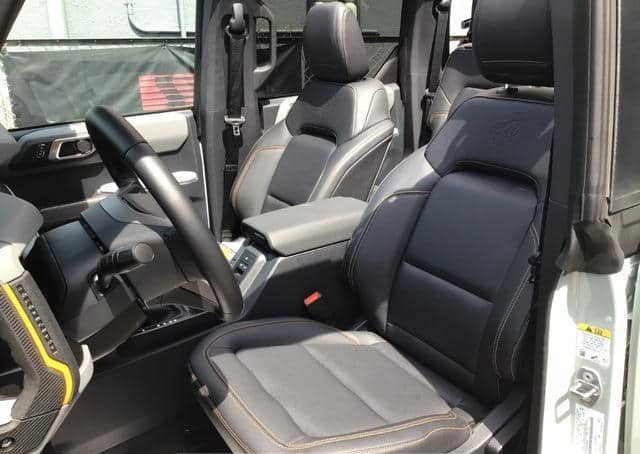
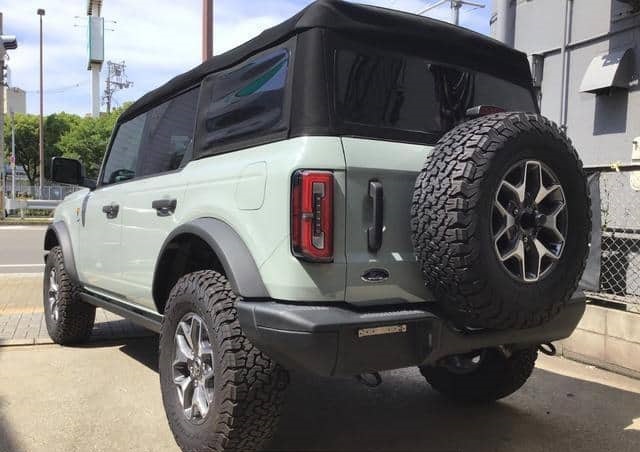
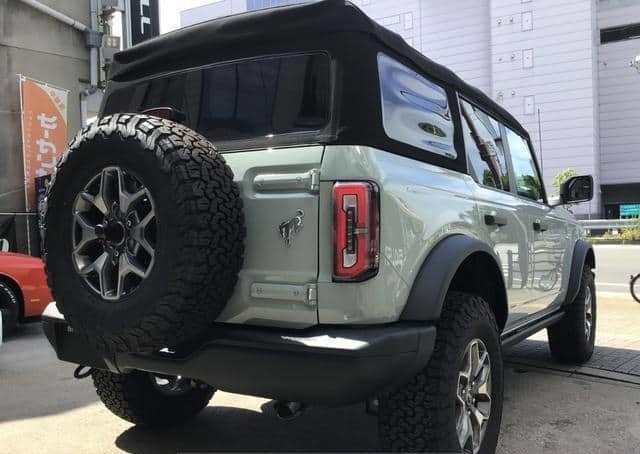
Below are concise, practical notes and checklists for owning, buying, insuring, and financing a 2023 FORD BRONCO — focused on what matters for budgeting, risk checks, and long‑term value. Use these points when researching, test‑driving, negotiating, and planning total cost of ownership.
Quick overview: what matters most
The Bronco is an off‑road capable SUV with removable tops/doors and multiple trims that range from basic to highly equipped (and performance focused). Purchase price, trim level, accessories (lift kits, oversized tires, bumpers), and how it’s been used (street vs. serious off‑roading) are the biggest drivers of short‑ and long‑term value and insurance cost.
Pre‑purchase checklist (buying used or new)
Walkaround & documentation
Confirm exact trim and options (engine, 2‑door vs 4‑door, hardtop vs soft top, 4×4 package, electronic lockers).
Verify vehicle history report (accidents, title branding, odometer consistency, flood damage).
Check for open recalls on the VIN at the manufacturer or NHTSA sites.
Mechanical & off‑road risk checks
Inspect underbody for frame or chassis damage, heavy dents, welds, or fresh paint that could hide repairs.
Check suspension components, control arms, shocks, and springs for leaks, bends, or aftermarket swaps (lift kits change handling and wear).
Look for oil, transmission, differential, and transfer case leaks; check fluid condition and levels.
Test 4×4 engagement in all modes; listen for grinding or clunking when switching between 2H/4H/4L.
Inspect removable roof/door seals and latches for water intrusion and alignment (water/air leaks are common complaint points on removable‑top SUVs).
Check tires for uneven wear (alignment or suspension issues) and confirm spare condition.
Interior & electronics
Test infotainment, cameras, sensors, HVAC, and switches; repair costs for advanced electronics can be high.
Confirm that any dealer‑added accessories were installed properly and documented.
Test drive
Listen for unusual engine noises, vibrations, or transmission hesitation.
Drive on varied surfaces—highway, twisty roads, and a rougher road for suspension feel.
Try the vehicle at highway speed to evaluate NVH (noise, vibration, harshness) which affects long‑term comfort and resale.
Ownership & maintenance checklist
Follow FORD’s maintenance schedule: oil changes, differential and transfer case fluid changes, brake inspections, and timing of major service intervals. Keep receipts—documented service history preserves resale value.
Budget for lower fuel economy and higher consumable costs (larger tires, frequent alignments after off‑road use, brakes if carrying heavy loads).
Inspect and reseal removable roofs/doors annually if you live in wet climates to prevent leaks and interior mold/damage.
Expect higher costs for off‑road repairs—skid plates, suspension, and drivetrain parts wear faster if used off‑road frequently.
Use OEM or reputable aftermarket parts for critical components; heavily modified Broncos can be harder to insure and sell.
Insurance & risk management checklist
Get quotes on the exact trim and accessories—Raptor/Badlands or lifted/large‑tire Bronco will cost more to insure than a base model.
Consider comprehensive & collision, plus gap insurance for financed buyers (new vehicle depreciation can outpace loan balance early on).
Verify coverage for off‑road use if you plan to trail ride—some policies exclude recreational off‑road activities or require additional endorsements.
Notify insurer about modifications (lift, bumper, winch); unreported mods can void coverage in a claim.
Install anti‑theft measures (tracking, wheel locks) and keep records of accessories for easier claims and valuation.
Aim for a down payment of 10–20% to reduce negative equity risk. Shorter loan terms (36–60 months) typically save interest and protect value.
Shop APRs with banks, credit unions, and dealer finance—pre‑approval helps negotiating power.
Factor in warranty coverage: new vehicle warranty reduces early repair risk. Consider extended warranties only from reputable providers after comparing likely repair cost vs. premium.
For lease vs. buy decisions, calculate expected miles and off‑road use (excess wear or modifications can invalidate lease terms).
Long‑term value considerations
Resale value depends on trim desirability (higher trims with factory off‑road equipment often hold value), documented service records, low miles, and minimal off‑road abuse. Color, factory wheels, and retention of original parts help. Major modifications can reduce marketability and make financing/insurance harder.
Quick pricing & cost tips
Expect higher operating costs than a compact SUV—budget for fuel, tires, and potential off‑road repairs.
Factory options vs aftermarket: factory packages are typically easier to insure and resell than custom aftermarket builds.
Timing: buying used after model‑year refreshes or when supply increases can lead to better deals; selling before heavy mileage accrues preserves value.
Final thoughts
The 2023 Ford Bronco is appealing for buyers who value capability and character, but cost, risk, and long‑term value depend heavily on trim, options, and how the vehicle is used. Use the checklists above during purchase and ownership decisions: confirm condition and history, budget for realistic operating costs, secure appropriate insurance (particularly for off‑road use and modifications), and finance with an eye to minimizing negative equity. Documented maintenance, conservative modification practices, and attention to seals and underbody condition will protect value and reduce unexpected expenses.
FAQs
Q: Should I buy a Bronco with aftermarket lift and big tires?
A: Only if you understand the tradeoffs. Lifts and large tires change handling, accelerate wear, increase insurance and repair costs, and reduce resale value to some buyers. Verify quality of installation and get a thorough mechanical inspection.
Q: How does off‑road use affect insurance?
A: Standard policies may exclude certain recreational uses or require endorsements. Inform your insurer if you plan frequent trail riding or competitive events; expect higher premiums or specific exclusions for damage from recreational off‑roading.
Q: Is it better to buy new or used?
A: New gives full warranty and latest features; used can offer savings if well maintained. For Bronco, low‑mileage, non‑abused used examples with clean history are best bets for value.
Q: What maintenance items are most costly?
A: Major drivetrain repairs (transfer case, differentials), suspension components if heavily used off‑road, and electronics can be expensive. Regular preventive maintenance reduces risk of big bills.
Q: Do modifications affect warranty?
A: Some modifications may void warranty coverage for related parts or cause denial of claims if damage is tied to mods. Keep receipts and consult your dealer or warranty documents before modifying.
Q: How can I maximize resale value?
A: Maintain service records, avoid severe off‑road abuse, keep original parts, choose popular trims/options, and fix cosmetic damage promptly. Clean, well‑documented vehicles sell faster and at higher prices.
As an experienced car inspector based in Uganda, I understand the unique challenges that vehicles face in our diverse environments. The Ford Bronco First Edition 2021 presents intriguing possibilities especially...
Family owned dealership of new and pre-owned vehicles with several locations across the Uganda. Lowest prices and the best customer service guaranteed.
You're almost there, select at least one more to compare!
We use cookies to ensure that we give you the best experience on our website. If you continue to use this site we will assume that you are happy with it.
You can revoke your consent any time using the Revoke consent button.