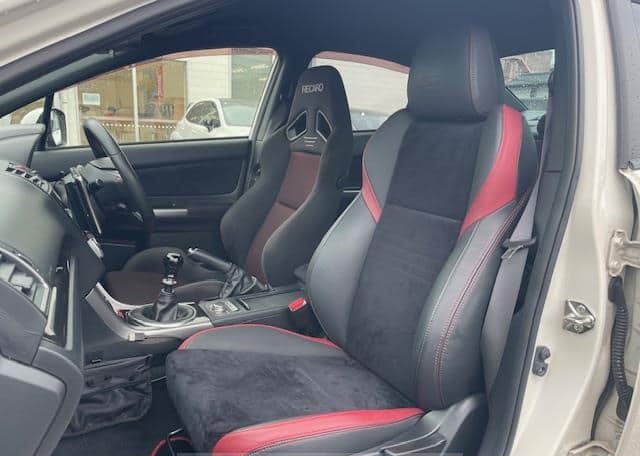
The SUBARU WRX STI is renowned for its performance, but like any high-performance vehicle, it requires regular maintenance to keep it running smoothly. Proper maintenance not only ensures reliability but also enhances the lifespan of crucial components. Here, we present guidelines for maintaining your 2016 SUBARU WRX STI, focusing on replacing belts, filters, and brake parts.
1. Belts Replacement
The 2016 WRX STI is equipped with several belts, including the serpentine belt, which drives multiple accessories such as the alternator, power steering pump, and air conditioning compressor. Regular inspection and replacement of these belts are vital to prevent breakdowns.
When to Replace
Generally, it’s wise to replace the serpentine belt every 60,000 to 100,000 miles, but inspect it regularly for signs of wear, such as:
Cracks or splits in the rubber.
Fraying edges.
Glazing, which appears as shiny spots on the belt.
Any unusual squeaking noises during engine operation.
Replacement Process
If you identify any of the above issues, follow these steps for replacement:
Disconnect the negative battery terminal.
Locate the serpentine belt tensioner and relieve tension.
Remove the old belt, keeping track of the routing path.
Install the new belt following the routing diagram (often located under the hood).
Re-tension the belt and reconnect the battery terminal.
2. Filters Maintenance
Your WRX STI has several essential filters, including the engine air filter, cabin air filter, and fuel filter. Regularly replacing these filters ensures optimal performance and air quality inside the vehicle.
Engine Air Filter
The engine air filter prevents dirt and debris from entering the engine, and should typically be replaced every 15,000 to 30,000 miles depending on your driving conditions.
Replacement Steps
Locate the air filter housing (usually on top of the engine).
Unclip or unscrew the housing cover.
Remove the old filter and clean the housing if necessary.
Install the new filter and secure the housing cover.
Cabin Air Filter
The cabin air filter filters dust, pollen, and other contaminants from the air entering the passenger compartment. Replace it every 15,000 to 20,000 miles.
Replacement Steps
Access the cabin air filter compartment, usually found behind the glove box.
Remove the cover and take out the old filter.
Install the new filter, ensuring it’s oriented correctly.
Reattach the cover.
Fuel Filter
The fuel filter is crucial in preventing contaminants from entering the fuel system. It is generally recommended to replace it every 30,000 miles.
Replacement Steps
Relieve the fuel system pressure by removing the fuel pump fuse.
Disconnect the battery.
Locate and remove the old fuel filter (often located along the fuel line).
Install the new filter with the correct orientation.
Reconnect the battery and fuel pump fuse.
3. Brake Parts Maintenance
Brakes are one of the most critical safety components in your vehicle. Regular inspection and maintenance of the brake system ensure safe driving conditions.
When to Replace Brake Pads and Rotors
Brake pads should generally be replaced every 30,000 to 70,000 miles depending on driving habits and the type of brake pads used. Warning signs include:
Squeaking or grinding noises when braking.
Vibration during braking.
Warning light on the dashboard.
Replacement Steps
Replacing brake pads and rotors is a somewhat advanced task that involves the following steps:
Raise the vehicle and remove the wheel.
Remove the caliper by unbolting it from its mounting bracket.
Take off the old brake pads, and if necessary, replace the rotors.
Install the new pads, then reattach the caliper.
Reinstall the wheel and lower the vehicle.
Final thoughts
Regular maintenance is essential for the longevity and performance of your 2016 SUBARU WRX STI. By following these guidelines for replacing belts, filters, and brake parts, you can help ensure that your vehicle remains reliable and safe to drive. Always consult your owner’s manual for specific recommendations and consider having a professional mechanic perform more complex repairs if necessary.
FAQs
1. How often should I perform maintenance on my Subaru WRX STI?
Routine maintenance tasks such as oil changes, filter replacements, and brake inspections should be performed at regular intervals. Check your owner’s manual for specific recommendations based on mileage and driving conditions.
2. Can I do maintenance myself or should I go to a professional?
Many maintenance tasks can be performed by DIY enthusiasts with basic tools. However, for more complex repairs or if you’re unsure, it’s best to consult a professional mechanic.
3. What type of oil should I use for my 2016 Subaru WRX STI?
For optimal performance, it’s recommended to use synthetic oil specifically designed for high-performance vehicles. Again, consult your owner’s manual for exact specifications.
4. Are there any common issues with the 2016 WRX STI?
While the WRX STI is a reliable vehicle, common issues may include clutch wear, brake performance degradation, and engine oil consumption. Regular maintenance can mitigate these risks.
Introduction to Timing Chains The timing chain is a crucial component in an internal combustion engine. It synchronizes the rotation of the crankshaft and camshaft, ensuring that the engine’s valves...
Belts are an essential accessory that not only serve a functional purpose but also enhance style. This article explores the various types and materials of belts, their history, and tips...
As an experienced car inspector based in Uganda, I understand the unique challenges and considerations buyers face when selecting a vehicle. For many city commuters in Kampala, a vehicle’s ability...
The purchase of a vehicle is a significant investment, and the process can seem daunting, especially when handling balance payments. For those interested in acquiring a 2020 SUBARU WRX S4...
Family owned dealership of new and pre-owned vehicles with several locations across the Uganda. Lowest prices and the best customer service guaranteed.
You're almost there, select at least one more to compare!
We use cookies to ensure that we give you the best experience on our website. If you continue to use this site we will assume that you are happy with it.
You can revoke your consent any time using the Revoke consent button.