The Land Rover Defender 110, particularly the 2001 model, is renowned for its robust construction and off-road capability, making it a suitable choice for Uganda’s diverse terrain. With its strong chassis, high ground clearance, and advanced four-wheel-drive system, the Defender is well-equipped to tackle the challenging landscapes of Uganda, from rugged mountains to muddy trails. Its durable design is an asset in regions that experience heavy rains and rough tracks, common in both rural and remote areas. Additionally, the Defender’s reputation for reliability and ease of maintenance is a crucial factor for drivers navigating less-traveled paths. Also, its spacious interior can accommodate both passengers and gear, making it a practical choice for explorers. Overall, the 2001 Defender’s combination of durability, off-road prowess, and versatility positions it as a solid vehicle for those seeking adventure in Uganda’s beautiful but demanding environments.
Introduction
The Land Rover Defender 110, particularly the 2001 model, is often hailed for its off-road capabilities. Uganda, with its rugged terrain and diverse landscapes, presents both challenges and opportunities for off-road enthusiasts. But is the Defender 110 truly suitable for the demands of Ugandan driving conditions?
Design and Build
The 2001 Defender 110 features a robust chassis and a high ground clearance, which are essential for navigating the tough roads found in many parts of Uganda. Its tough exterior is designed to withstand harsh environments, making it ideal for rural areas where roads may be unpaved or poorly maintained.
Interior Comfort
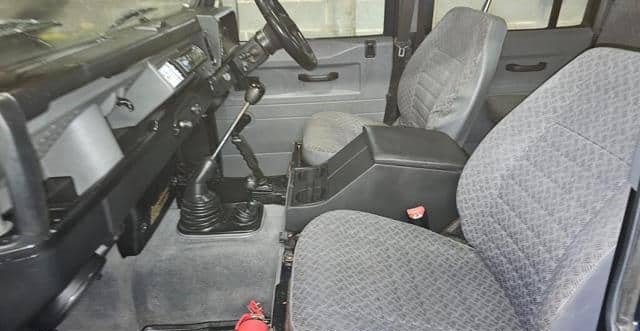
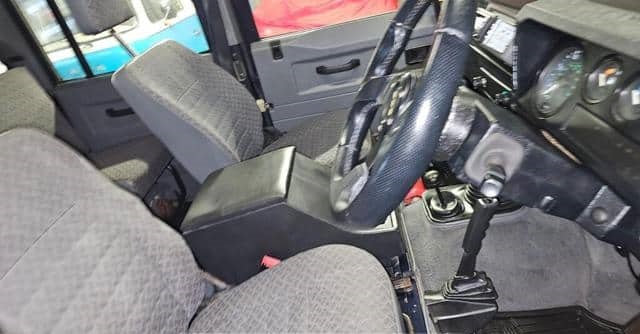
While the Defender is primarily built for utility, its interior can be surprisingly comfortable. Though not overly luxurious, it offers ample space for passengers and gear, making it a practical choice for those heading into Uganda’s wilderness.
Engine Performance
This model often comes with either a turbo diesel or a petrol engine, both of which provide adequate power for off-road driving. The diesel variant is particularly preferred in Uganda due to better fuel efficiency and torque for tackling steep hills and rough terrains.
Transmission
Equipped with a part-time four-wheel-drive system, the Defender can easily shift between two-wheel and four-wheel drive. This adaptability is beneficial for Ugandan drivers who may encounter varying conditions from rain-soaked roads to dry, dusty paths.
Off-Road Capabilities
With features like high approach and departure angles, the Defender 110 can handle obstacles found in the Ugandan landscape. Whether crossing rivers or climbing rocky inclines, this vehicle’s capabilities make it a strong contender for off-road adventures.
Suspension and Traction
The suspension system provides a good balance between comfort and ruggedness. The limited-slip differentials enhance traction on slippery surfaces, which is vital for driving through mud, especially during the rainy seasons.
Maintenance and Reliability
Owning a 2001 Defender 110 in Uganda may come with challenges regarding parts availability and servicing. However, the vehicle’s sturdy build often means fewer repairs are needed in rugged settings. Regular maintenance checks can help ensure it stays in good condition for off-road driving.
Fuel Considerations
Fuel availability can be inconsistent in remote areas of Uganda. The diesel engine’s efficiency can be an advantage, but drivers should always plan their fuel stops, particularly on lengthy trips through the countryside.
Community Support
There’s a strong community of Land Rover enthusiasts in Uganda. This can be beneficial for new owners seeking advice, spare parts, or off-road driving tips tailored to local conditions.
Summary
The 2001 Land Rover Defender 110 is well-equipped for off-road driving in Uganda, with its sturdy build, four-wheel-drive capability, and efficient diesel engine. It’s a practical choice for those looking to explore both urban and rural landscapes. However, considerations regarding maintenance and fuel availability should be kept in mind to ensure a successful driving experience.
FAQs
1. Is the Land Rover Defender 110 suitable for everyday use in Uganda?
Yes, while it shines off-road, many people use it for everyday commuting as well.
2. How does the fuel efficiency of the Defender 110 compare to other SUVs?
The diesel version is generally more fuel-efficient compared to larger gasoline SUVs, making it a sensible choice for long drives.
3. Are parts readily available for the 2001 Defender in Uganda?
Availability can vary; it’s best to connect with local enthusiasts or specialized shops for maintenance needs.
4. Can the Defender handle the rainy seasons in Uganda?
Yes, the four-wheel-drive capability and good traction help it perform well on muddy and slippery roads.
5. What should I consider for off-road driving in Uganda?
Plan routes carefully, ensure regular maintenance, and be prepared for changing weather conditions.
The LAND ROVER DISCOVERY 3 2009, produced in 2009, embodies a robust design and advanced features that cater to off-road enthusiasts, making it a notable contender for Uganda’s diverse terrains....
The Land Rover Discovery 3 Manual Diesel 2008 is a robust vehicle well-suited for the varied terrains of Uganda, where off-road driving is often essential. Known for its advanced four-wheel...
The Land Rover Discovery 30-Diesel 2015 is a vehicle designed for both luxury and rugged terrain, making it a popular choice for adventurers in Uganda. With its powerful diesel engine,...
As an experienced car inspector in Uganda, I often encounter potential buyers eager to find a vehicle that meets their unique needs. Uganda’s diverse terrains—from bustling city streets to rugged...
Family owned dealership of new and pre-owned vehicles with several locations across the Uganda. Lowest prices and the best customer service guaranteed.
You're almost there, select at least one more to compare!
We use cookies to ensure that we give you the best experience on our website. If you continue to use this site we will assume that you are happy with it.
You can revoke your consent any time using the Revoke consent button.