Importing a 2013 BMW X3 into Uganda can be a great way to get a premium SUV at a lower price than a local market purchase — if you plan carefully. This guide walks you through the basics, where to buy, the clearance steps and required documents, likely costs, common pitfalls and what to avoid so you can make a confident, informed decision.
1. Basics to consider before you buy
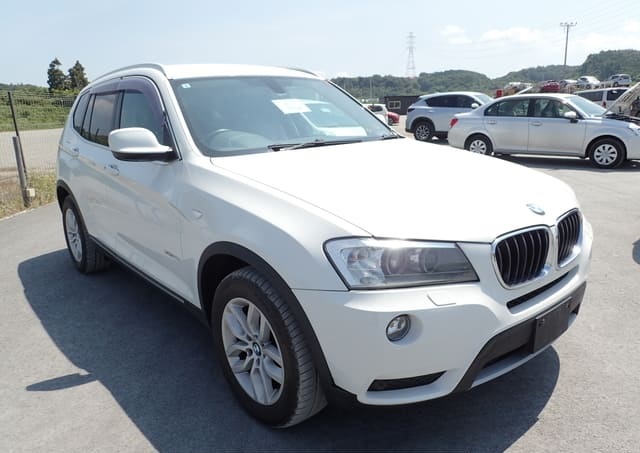
Model & specs: The 2013 BMW X3 (F25) comes in petrol and diesel variants with a range of engines and trim levels. Know the exact engine size and fuel type — these affect taxes and maintenance costs.
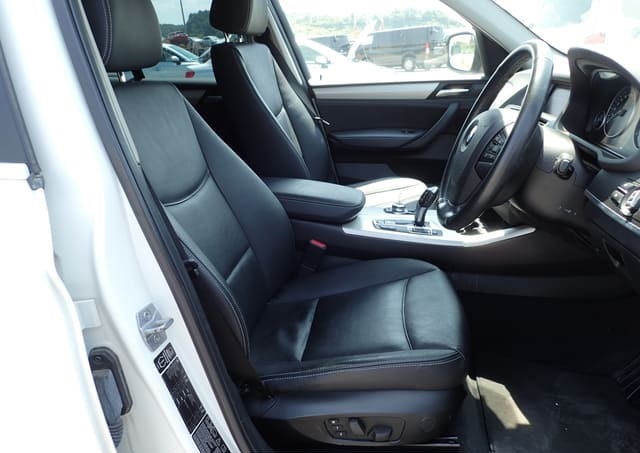
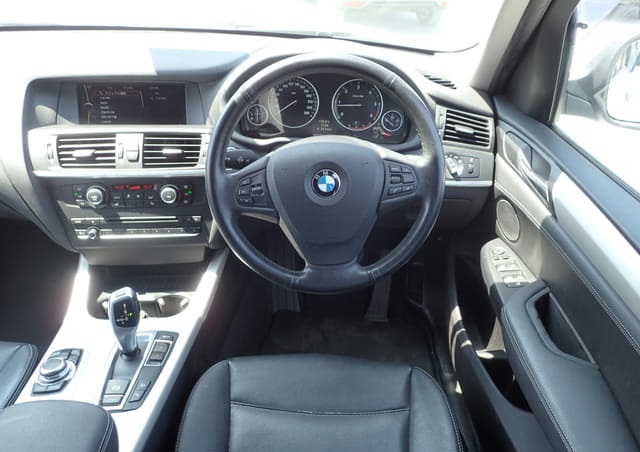
Steering side: Uganda drives on the left, so right-hand-drive (RHD) cars are acceptable. Confirm steering configuration to avoid local compliance problems.
Condition: Prioritize a clear service history and low rust, especially if shipping from humid regions. Get mileage verification and avoid salvaged or flood-damaged titles.
Parts & maintenance: BMW parts can be costly — check availability of spares and trusted service centers in Kampala before committing.
2. Where to buy
Common sources for used 2013 X3s include:
Auction houses and exporters in Japan (e.g., USS, Be Forward), the UK and Europe — good availability and lower prices for right-hand or left-hand units depending on source.
Online marketplaces that specialize in car exports (example platforms: large global exporters and auction resellers).
Reputable dealers who handle export and shipping for East Africa — they can bundle inspection, shipping, and documentation services.
Local importers in Uganda — if you prefer a turnkey solution, they can import on your behalf for a fee but typically add a margin.
3. Pre-purchase checks (do not skip)
Request the VIN and run a vehicle history & title check where available.
Order an independent pre-shipment inspection or a mechanic’s report (especially if buying remotely).
Confirm that the vehicle is not under finance or has outstanding liens.
Get detailed photos and clear disclosure of any salvage/wreck history.
4. Shipping options and costs
Two common shipping methods:
RoRo (Roll-on/Roll-off): Cheaper, common for operational vehicles. The vehicle is driven onto the vessel. Good for standard used cars.
Container shipping: Safer and recommended for higher-value or non-running cars, or if you want extra protection.
Shipping costs vary widely by origin port and route — from a few hundred to a couple thousand USD. Expect additional port handling, inland transport to Uganda (usually via Mombasa, Kenya or Dar es Salaam, Tanzania), and local clearing/transport fees. Always request full freight quotes including port-to-destination charges.
5. Clearance steps and required documents
Clearance in Uganda typically follows these practical steps. Work with a licensed clearing agent in Uganda to streamline the process.
Export Certificate / Certificate of Title (proving ownership)
Vehicle registration logbook (where applicable)
Packing list (if containerized)
Insurance certificate (marine cargo insurance is recommended)
Arrival & notification — shipper notifies your freight forwarder/clearing agent of vessel arrival at the discharge port (e.g., Mombasa).
Document submission to Customs — your clearing agent files the import entry and submits the above documents plus:
Copy of buyer’s ID or passport and proof of residence (or company documents if imported by a business)
Tax Identification Number (TIN) for the importer
Authorization letter to the clearing agent
Customs assessment and inspection — Customs inspects the vehicle (physical exam, VIN verification) and issues duties/taxes assessment.
Payment of duties, taxes and fees — typically includes customs duty, excise duty, VAT and port handling/clearing agent fees. (Rates change — always verify current URA rules and tariff schedules.)
Release & inland transport — after payment and clearance, the vehicle is released and transported to Uganda. Final registration and licensing are completed with the relevant Ugandan vehicle registration authority.
6. Likely costs & budgeting
Total landed cost = purchase price + shipping + port & handling + customs duties/taxes + clearing agent fees + inland transport + registration. As a rule of thumb, anticipate the landed cost to be substantially higher than the car price alone. Get detailed, written cost estimates up front and add a contingency buffer for unforeseen charges.
7. Common pitfalls and what to avoid
Avoid sellers who refuse to provide original documents (title, export papers). If the title is missing, clearance will be difficult or impossible.
Beware of “too good to be true” prices — hidden salvage history, odometer rollback, or mechanical issues may be concealed.
Don’t underestimate taxes and port fees — factor them into your total cost before purchase.
Avoid unlicensed clearing agents or informal brokers. Use licensed, experienced agents with good references.
Don’t skip a pre-shipment inspection. Fixing major problems after arrival is expensive and time-consuming.
Avoid importing vehicles with unclear or disputed ownership; ensure release from any finance/liens.
8. Post-arrival: registration & compliance
After customs release, you must register the vehicle locally, obtain number plates and pay any local road levies or licensing fees. The vehicle may require a roadworthiness or environmental compliance check depending on local regulations. Keep all original documents safely for registration and resale purposes.
Final thoughts
Importing a 2013 BMW X3 into Uganda can be a rewarding way to obtain a luxury SUV at a competitive price, but it requires careful planning. Research the vehicle thoroughly, use reputable exporters and clearing agents, collect all original documentation, budget for taxes and fees, and don’t skip inspections. With proper due diligence and realistic budgeting you can reduce risk and enjoy your X3 with confidence.
FAQs
Q: What documents are absolutely required to clear a car in Uganda?
A: At minimum you’ll need the original Bill of Lading, Commercial Invoice, Certificate of Title/Registration, proof of ownership, buyer identification (passport/TIN), and an authorized clearing agent to file entry. Additional documents may be requested by customs.
Q: How long does clearance take?
A: Clearance time varies: once the ship has discharged, 1–7 business days is common if documents are complete and duties are paid, but delays at port or customs inspection can extend this. Using a proactive clearing agent reduces delays.
Q: Are there age limits for imported cars into Uganda?
A: Regulations change — sometimes countries impose age restrictions or additional taxes on older vehicles. Check current URA and government notices before purchase.
Q: Can I import the car myself or should I use an agent?
A: Technically you can, but using a licensed clearing agent is highly recommended. They handle documentation, customs procedures, local payments and logistics, reducing mistakes and delays.
Q: How can I verify a seller overseas?
A: Request comprehensive photos, VIN, title documents, exporter references, and an independent pre-shipment inspection report. Use escrow or secure payment channels when possible and avoid cash transactions without receipts.
If you want, I can help draft a checklist tailored to your budget and preferred origin (Japan, UK, EU, etc.), or suggest specific inspection questions and a sample list of trusted document checks.
The 2016 BMW X3 is a compact luxury crossover that balances driving dynamics with utility. Buying any used luxury vehicle requires extra planning beyond the sticker price: insurance, financing, ongoing...
Short answer, first For most buyers: choose the xDrive30i with the Comfort and Premium packages — it provides the best overall balance of comfort, safety, and fuel economy. Choose the...
This concise guide walks through the key ownership costs for a 2022 BMW X3: fuel use, routine service, parts & repairs, and resale/depreciation — plus practical ways to reduce what...
Below is a practical, printable checklist and question list you can use when evaluating a 2016 BMW X3 at a dealer or from a private seller. Print this page, take...
Family owned dealership of new and pre-owned vehicles with several locations across the Uganda. Lowest prices and the best customer service guaranteed.
You're almost there, select at least one more to compare!
We use cookies to ensure that we give you the best experience on our website. If you continue to use this site we will assume that you are happy with it.
You can revoke your consent any time using the Revoke consent button.