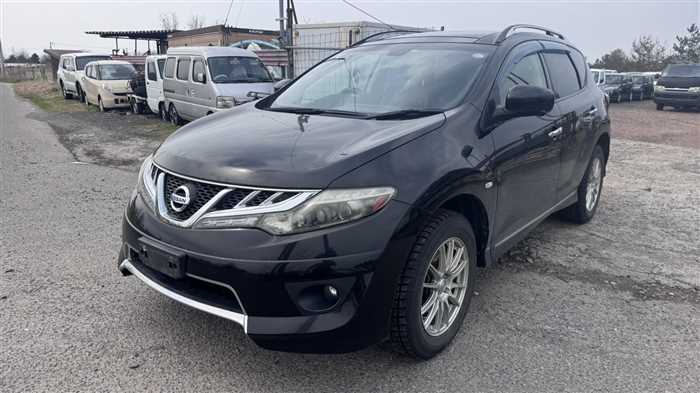
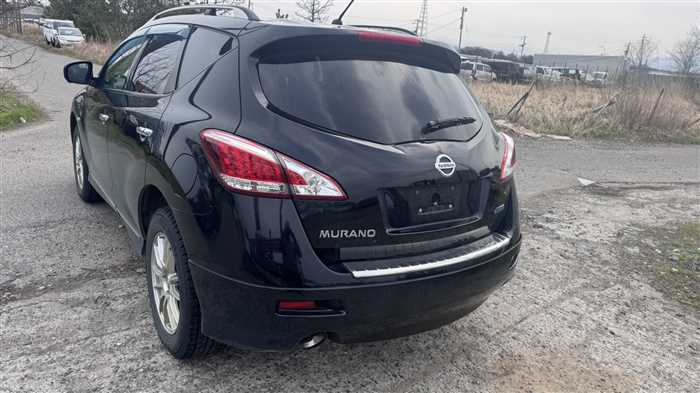
Improving fuel efficiency in your 2012 NISSAN MURANO can save you money at the pump and reduce your carbon footprint. With rising fuel costs and increasing environmental concerns, maximizing fuel savings has never been more important. Here are some effective tips and habits that can help you enhance the fuel efficiency of your vehicle.
1. Regular Maintenance
Ensuring that your 2012 NISSAN Murano is well-maintained is the first step to improving fuel efficiency. Regular oil changes, air filter replacements, and spark plug checks can significantly affect how efficiently your car runs. Consult your owner’s manual for recommended maintenance schedules and adhere to them to ensure peak performance.
2. Tire Pressure Management
Maintaining proper tire pressure is critical for fuel efficiency. Under-inflated tires can increase rolling resistance, making your engine work harder and guzzling more fuel. Check the recommended tire pressure listed on the driver’s side door jamb and make it a habit to check your tire pressure at least once a month.
3. Use the Right Fuel
Your Nissan Murano is designed to run efficiently on a specific grade of gasoline. Using a higher grade than recommended does not yield significant benefits and may not justify the extra cost. Stick to the manufacturer’s recommendations for the best performance and fuel efficiency.
4. Drive Smoothly
How you drive can have a significant impact on fuel efficiency. Avoid aggressive acceleration and hard braking, as both can waste fuel. Instead, aim for smooth, gradual acceleration and braking. Use cruise control on highways to maintain a constant speed and reduce fuel consumption.
5. Limit Idling
While it may seem convenient to leave your engine idling while waiting, doing so can waste fuel. If you’re stopped for more than a minute or two, consider turning off your engine. Re-starting your vehicle uses less fuel than idling for long periods.
6. Reduce Weight and Drag
Extra weight and aerodynamic drag can negatively impact fuel efficiency. Remove unnecessary items from your Murano, especially heavy ones that you don’t use regularly. Additionally, if you have a roof rack that you aren’t using, take it off to reduce drag.
7. Plan Your Trips
Combine errands into a single trip to minimize the distance you drive and maximize fuel efficiency. Planning your routes can also help avoid heavy traffic, which often leads to stop-and-go driving that consumes more fuel.
8. Employ Technology
Your Nissan Murano is equipped with various technologies designed to enhance fuel efficiency. Use features like Eco Mode if available, and pay attention to your vehicle’s trip computer for insights into your fuel consumption. Many newer models also come with efficiency monitoring systems that help you adjust your driving habits in real-time.
9. Consider Aerodynamics
Making minor modifications to improve your vehicle’s aerodynamics can help improve fuel efficiency. Avoid bulky accessories that may interfere with the car’s aerodynamics. When possible, keep windows closed at high speeds to minimize drag.
10. Monitor Your Fuel Consumption
Keeping track of how much fuel you consume can help you identify patterns and potential areas for improvement. Use a fuel log or a mobile app to monitor fuel consumption and calculate your fuel economy. Doing so will enable you to assess the effectiveness of your fuel-saving strategies.
Final thoughts
Improving fuel efficiency isn’t just about saving money—it’s also about making environmentally responsible choices. By adopting these habits and tips, you can maximize fuel savings in your 2012 Nissan Murano. With regular maintenance, mindful driving practices, and smart planning, you can make a significant difference in your vehicle’s performance and your overall fuel costs. Investing in your car’s efficiency today can lead to considerable savings over time, allowing you to enjoy your journeys while reducing your carbon footprint.
FAQs
Q: How often should I perform maintenance on my Nissan Murano?
A: Regular maintenance typically includes oil changes every 3,000 to 5,000 miles, air filter replacements every 15,000 to 30,000 miles, and periodic checks of brakes, tires, and fluid levels. Always consult your owner’s manual for specific recommendations.
Q: Does using premium gasoline improve my fuel efficiency?
A: Unless your vehicle specifically requires premium gasoline, using a higher octane fuel typically does not improve fuel efficiency. Stick to the recommended grade for optimal performance.
Q: What are the best driving practices for maximizing fuel efficiency?
A: Smooth acceleration and braking, maintaining a steady speed with cruise control, and minimizing idling can all help maximize fuel efficiency. Additionally, try to drive at moderate speeds as fuel economy usually decreases at speeds above 60 mph.
Q: Can I improve fuel efficiency by modifying my vehicle?
A: Some modifications may help, such as improving aerodynamics or reducing weight, but be cautious. Always consider the potential impact on safety and handling, and consult professionals before making any significant changes.
Regular inspection of your vehicle is critical to maintaining its appearance and longevity. One of the most critical aspects to check is for rust, dents, and scratches. Detecting these issues...
The term “body condition” refers to the overall physical state of an organism, particularly in terms of its fat and muscle composition. This concept is crucial in various fields including...
The Nissan Murano 2010 presents a blend of style and functionality, making it an intriguing option for Ugandan consumers. Known for its comfortable interior and advanced features, this crossover SUV...
When considering the purchase of a used 2012 NISSAN MURANO, it’s essential to have a thorough inspection checklist to ensure that the vehicle is in appropriate condition. The Murano is...
Family owned dealership of new and pre-owned vehicles with several locations across the Uganda. Lowest prices and the best customer service guaranteed.
You're almost there, select at least one more to compare!
We use cookies to ensure that we give you the best experience on our website. If you continue to use this site we will assume that you are happy with it.
You can revoke your consent any time using the Revoke consent button.