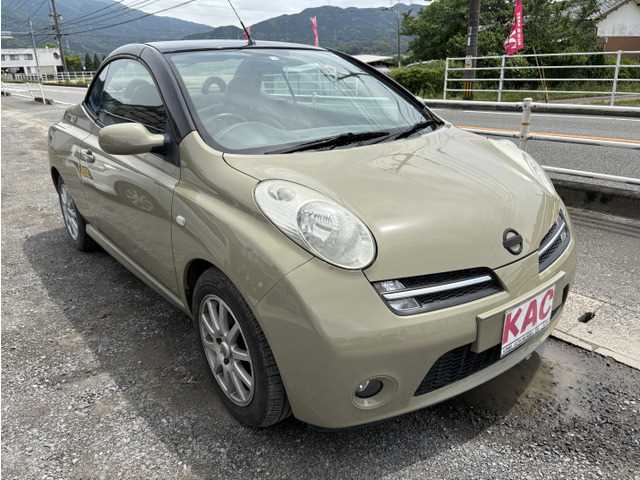
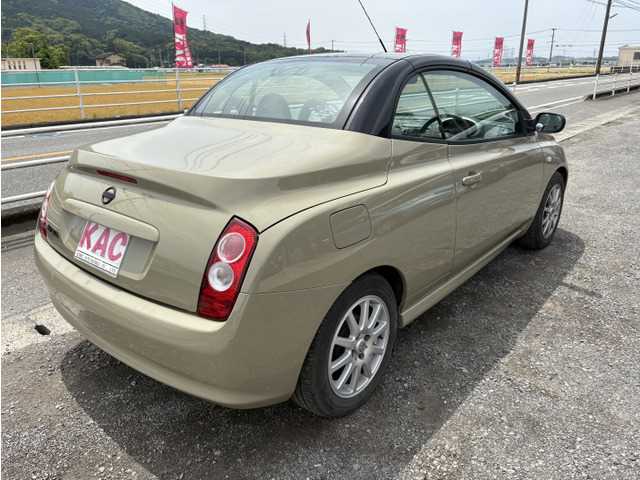
The 2008 NISSAN MICRA C+C is a stylish and practical car known for its reliability and efficiency. However, like any vehicle, it requires regular maintenance to keep it running smoothly. This article provides general guidelines for when to replace essential components such as belts, filters, and brake parts. Proper maintenance not only extends the life of your vehicle but also ensures safety and performance on the road.
Belts
The belts in your NISSAN Micra C+C are crucial for transferring power to different components, such as the alternator, power steering pump, and air conditioning. Keeping an eye on these belts will help prevent unexpected breakdowns.
Types of Belts
Serpentine Belt: This belt drives multiple components and is typically made of reinforced rubber.
Timing Belt: This belt synchronizes the rotation of the crankshaft and camshaft to ensure proper timing of engine valves.
Replacement Guidelines
Serpentine Belt: Should be inspected every 30,000 miles and replaced every 60,000 miles.
Timing Belt: Typically should be replaced between 60,000 and 100,000 miles. However, consult the owner’s manual for specific guidelines.
Signs of a worn belt may include squeaking noises, visible cracking, or fraying. If you notice any of these symptoms, it’s time for a replacement.
Filters
Filters are essential in maintaining the health of your vehicle. They help clean the fluids that power your car from impurities and contaminants, ensuring optimal performance.
Types of Filters
Oil Filter: Cleans the engine oil and ensures that oil circulating through the engine is free of debris.
Air Filter: Prevents dirt and debris from entering the engine.
Fuel Filter: Keeps the fuel supply clean by filtering out contaminants before they can enter the engine.
Replacement Guidelines
Oil Filter: Replace every 3,000 to 5,000 miles during regular oil changes.
Air Filter: Inspect every 15,000 miles and replace every 30,000 miles or sooner if dirty.
Fuel Filter: Generally replaced every 30,000 miles; however, consult the owner’s manual for exact recommendations.
Regular replacement of filters not only improves performance but also enhances fuel efficiency and prolongs engine life.
Brake Parts
Brakes are one of the most critical safety components of your Nissan Micra C+C. Ensuring that your brake parts are in excellent condition is vital for safe driving.
Types of Brake Parts
Brake Pads: These are the friction material that applies pressure against the brake discs to slow down or stop the vehicle.
Brake Discs (Rotors): These are the components that the brake pads clamp onto to stop the car.
Brake Fluid: The hydraulic fluid that transfers force from the brake pedal to the brakes.
Replacement Guidelines
Brake Pads: Inspect every 10,000 miles and replace when worn down to 3mm thickness or less. Typically replaced every 30,000 to 70,000 miles depending on driving conditions.
Brake Discs (Rotors): Resurface or replace rotors when they show signs of warping, scoring, or when changing pads.
Brake Fluid: Should be replaced every 2 years or as specified in the owner’s manual, even if it appears clear.
Watch for signs like grinding noises, a soft brake pedal, or warning lights on your dashboard, which may indicate the need for immediate attention.
Final thoughts
Regular maintenance of your 2008 Nissan Micra C+C is essential to ensure its longevity and performance. Adhering to the guidelines for replacing belts, filters, and brake parts can help you maintain optimal function while keeping safety as a priority. If you ever feel uncertain about the condition of your vehicle, consult with a qualified mechanic for an expert opinion. Your Micra C+C deserves the best care to keep you safely on the road.
FAQs
1. How often should I check the oil level in my Nissan Micra C+C?
It’s advisable to check the engine oil at least once a month and before long road trips, ensuring that it remains at the proper level between oil changes.
2. What are the symptoms of a failing timing belt?
Common symptoms include the engine not starting, engine misfires, or unusual noises coming from the engine compartment. If you experience these signs, consult a mechanic immediately.
3. Can I replace the brake pads myself?
If you have the necessary tools and knowledge, replacing brake pads can be a DIY project. However, if you are unsure, it’s best to seek professional help to ensure safety.
4. What is the best way to maintain my air filter?
Regularly checking and cleaning the air filter can prolong its life. Replace it as needed, especially if it appears dirty or clogged.
5. Where can I find the owner’s manual for my 2008 Nissan Micra C+C?
You can find the owner’s manual in your vehicle’s glove compartment or download a digital version from the Nissan website.
The NISSAN MICRA C+C 2010 is a compact convertible that offers a blend of style and functionality, making it an appealing option for urban driving. With its small footprint, the...
As an experienced car inspector in Uganda, it’s essential to evaluate vehicles based on the unique demands of our diverse terrain and driving conditions. For city commuters in Kampala, the...
As an experienced car inspector in Uganda, I often encounter prospective buyers seeking vehicles that meet their diverse needs. One common perspective comes from city commuters who prioritize fuel efficiency...
Family owned dealership of new and pre-owned vehicles with several locations across the Uganda. Lowest prices and the best customer service guaranteed.
You're almost there, select at least one more to compare!
We use cookies to ensure that we give you the best experience on our website. If you continue to use this site we will assume that you are happy with it.
You can revoke your consent any time using the Revoke consent button.