

This write-up is a practical, driving-focused look at the 2022 CHEVROLET CAMARO LT fitted with the RS appearance package. It blends a subjective driving summary with approximate numbers for performance, fuel economy and cargo/passenger practicality. If you want exact EPA ratings or 0–60 mph times for a specific engine and transmission combination, tell me which one and I’ll pull those exact values.
Overview
The Camaro LT is the midtrim, offering a good balance between everyday usability and the Camaro’s sporty character. The RS package is largely cosmetic — giving 20-inch wheels, unique front and rear fascias, LED lighting, and RS badging — and it influences the look and, indirectly, ride quality because of the larger wheels and lower-profile tires.
Engines & Drivetrain (summary)
In 2022 the LT is commonly paired with two main engines: a 2.0‑liter turbocharged inline‑4 and an available 3.6‑liter V6. The 2.0T is the lighter, more fuel-efficient option while the V6 provides stronger midrange power. Both are offered with manual and automatic transmissions in several configurations; exact performance and economy depend on which you choose.
Approximate power and acceleration
- 2.0L turbo I4 — roughly 270–280 horsepower and around 290–300 lb‑ft of torque; 0–60 mph in the mid‑5‑second range depending on gearbox and tires.
- 3.6L V6 — roughly 330–340 horsepower and about 280–290 lb‑ft of torque; 0–60 mph generally low‑to‑mid 5s, slightly quicker than the 2.0T in many cases.
These are approximate ranges. If you need precise horsepower, torque, and 0–60 figures for a given transmission and trim, tell me the engine and gearbox and I’ll fetch the official numbers.
City Performance
Around town the Camaro LT feels lively and responsive. The turbo four provides strong low‑end torque for quick takeoffs from traffic lights, while the V6 gives a smoother and more linear surge when you plant the throttle. Visibility out the front is good, but the low hood and thick pillars can make tight urban driving and parking more confidence‑sapping than it is in a compact sedan.
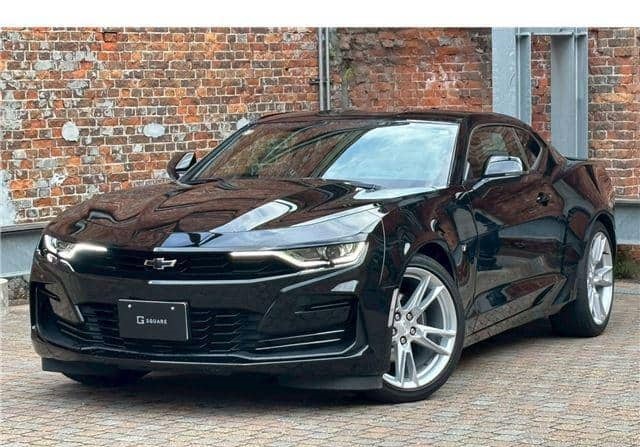
The RS package’s 20‑inch wheels with low‑profile tires sharpen turn‑in and appearance but can make pothole impacts more noticeable. In slow city traffic the Camaro is entirely usable — it’s comfortable enough for daily commutes if you accept the tradeoffs of a sport coupe (lower seating position, limited rear visibility, and a firmer ride).
Highway Performance
On the highway the Camaro comes alive. Both engines cruise with authority; the V6 is especially at ease at higher speeds and when merging or passing. The steering is weighted and communicative, helping confidence during lane changes and spirited driving. Wind and road noise are present but not intrusive for the class; the coupe’s structure keeps the chassis stable at speed.
Long highway runs are comfortable as long as you’re not expecting the isolation of a luxury sedan. The Camaro rewards smooth inputs and keeps its composure through sweepers, making it a strong performer for backroad drives as well as commuting.
Ride Quality & Handling
The Camaro LT with RS is tuned for sport, which means a firmer ride than mainstream compact cars. On smooth pavement the chassis is composed; on broken surfaces the suspension transmits more impacts into the cabin — a predictable tradeoff for sharper handling. The RS wheels accentuate that firmer feel through lower-profile tires.
Handling is a Camaro strength: precise steering, good front-end bite, and controlled body motions. If you prioritize a comfortable, pillowy ride over cornering capability, the Camaro may feel too taut. If you prefer sharp responses and an engaging feel, it’s satisfying.
Economy (approximate)
Fuel economy varies with engine, transmission and driving style. Approximate combined figures you can expect:
- 2.0L turbo — roughly 24–27 mpg combined (city/highway mix); highway figures often reach the upper 20s to low 30s with a conservative right foot.
- 3.6L V6 — roughly 20–24 mpg combined; highway economy can be in the high 20s with light throttle and optimized gearing.
These are ballpark numbers; exact EPA ratings depend on the specific drivetrain and option set. The RS package itself affects economy marginally by adding larger wheels that can slightly raise rolling resistance.
Practicality
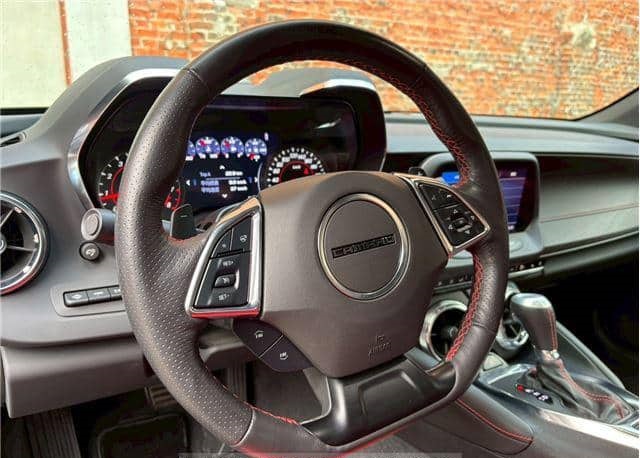
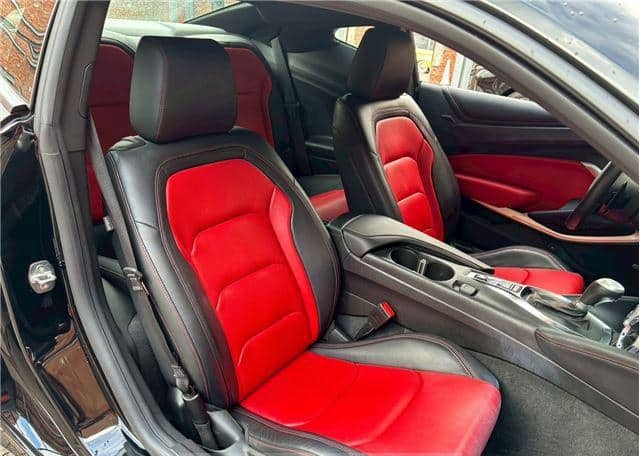
Practicality is the Camaro’s compromise. The cockpit is driver‑focused and comfortable up front, but rear seats are tight and best suited for short trips or kids. Cargo space is limited compared with small crossovers: the trunk is shallow and wide — approximately around 9 cubic feet — usable for a couple of small bags but not large suitcases.
Daily usability considerations:
- Entry and exit: lower seating position can be less convenient for tall occupants or those with mobility issues.
- Visibility: rear and side pillars limit sightlines; parking sensors and camera options are helpful.
- Storage: limited interior cubby space compared with sedans; bring smaller items or a backpack for groceries and errands.
Subjective Driving Summary
The 2022 Camaro LT with the RS appearance package feels like a proper sports coupe tuned for engagement rather than plush comfort. In the city it’s lively and manageable but trades some compliance for style and handling. On the highway it’s relaxed enough for long runs and eager when you want to pass. The RS trim sharpens the look and the feel thanks to larger wheels and a more aggressive stance, at the cost of a firmer ride. If you value driving excitement, crisp steering and eye‑catching styling, the LT/RS is a satisfying daily driver. If your priorities are rear passenger room, cargo flexibility, or a cushy ride, a conventional sedan or small SUV will fit those needs better.
Final thoughts
The 2022 Camaro LT with the RS appearance package is a compelling choice for buyers who want sporty performance and striking looks in a relatively affordable package. It delivers confident highway manners, enjoyable handling, and reasonable city usability for a sports coupe, but it demands compromises in rear‑seat room, trunk space and ride compliance. For a balance of style and daily drivability, the LT/RS sits in a sweet spot — provided you accept the tradeoffs that come with a performance‑oriented coupe.
FAQs
- Q: Which engine is best for daily driving?
- A: The 2.0L turbo offers better fuel economy and plenty of torque for normal driving; the 3.6L V6 is preferable if you want stronger acceleration and a smoother high‑speed feel.
- Q: Does the RS package change performance?
- A: RS is primarily cosmetic. It can affect ride feel because of larger wheels and lower-profile tires, but it does not add significant engine or suspension performance over non‑RS LTs.
- Q: Is the Camaro practical as a family car?
- A: Not really. Front seats are comfortable but rear seats are cramped and trunk space is limited. The Camaro is best as a two‑person daily driver or occasional four‑seater for short trips.
- Q: How much is fuel economy affected by the RS wheels?
- A: The effect is modest — larger wheels and lower-profile tires can slightly lower fuel economy compared with smaller wheels, but driving style and engine choice have a bigger impact.
- Q: Can you provide exact EPA and 0–60 figures?
- A: Yes — if you tell me which engine (2.0T or 3.6L V6) and which transmission (manual or automatic), I’ll pull the official EPA ratings and published 0–60 mph times for that configuration.


