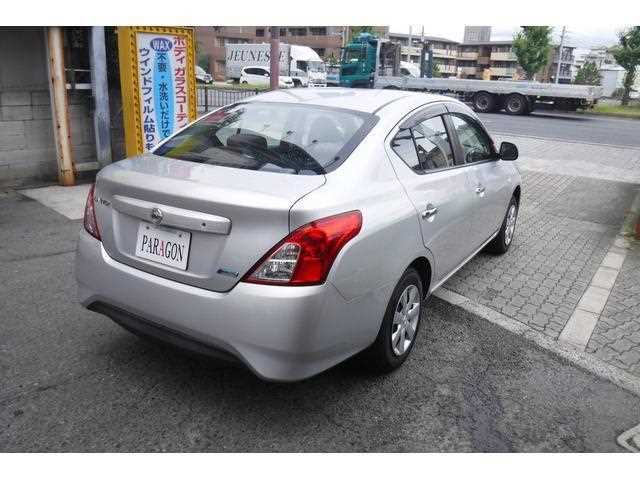
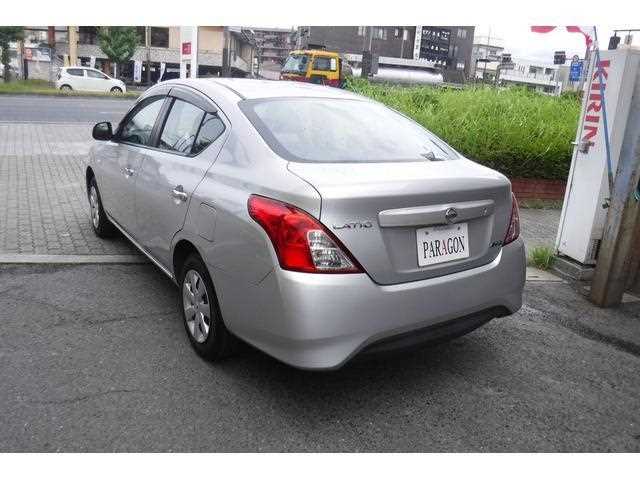
The NISSAN TIIDA LATIO 2015 is a well-regarded compact car known for its practicality and comfort. However, like any vehicle, it is prone to certain issues that can lead to unexpected noises and vibrations. Understanding these common problems, their possible causes, and troubleshooting techniques can help you maintain the performance and longevity of your vehicle.
Common Issues and Possible Causes
1. Engine Noises
Unusual engine noises can indicate various underlying issues. Here are some common causes:
Loose Components: If engine mounts or screws are loose, they can create rattling or clanking noises, especially at idle or during acceleration.
Worn Out Timing Belt: A worn timing belt can create a whining noise that can be heard from the front of the engine.
Low Oil Levels: Insufficient oil can lead to metal-on-metal contact within the engine, causing knocking or ticking sounds.
2. Transmission Whining
A whining noise during gear changes or acceleration can indicate issues with the transmission:
Low Transmission Fluid: If the fluid is low or degraded, it can lead to a whining or grinding noise.
Worn Bearings: Transmission bearings can wear out, producing a whining noise that often increases with speed.
3. Brake Noises
Noises coming from the brakes should never be ignored. Common causes include:
Worn Brake Pads: If the pads are worn down, you may hear a squeaking or grinding noise when applying the brakes.
Brake Rotor Issues: Warped or cracked rotors can also produce vibrations and noises when braking.
4. Suspension and Steering Noises
Loose or worn parts in the suspension and steering system can lead to various noises:
Worn Shock Absorbers: Shock absorbers that are wearing out can cause rattling noises and vibrations, especially over uneven terrain.
Ball Joint Problems: A worn ball joint can create a clunking noise when turning or going over bumps.
5. Tire Noise and Vibration
Issues with tires can also cause noticeable vibrations and noises:
Uneven Tire Wear: Inspect your tires for uneven wear, which can lead to noise and vibrations while driving.
Improper Tire Pressure: Both over-inflated and under-inflated tires can cause various issues, including vibrations while driving.
Troubleshooting Tips
While diagnosing issues can be challenging, here are some tips to guide you through troubleshooting:
Listen Carefully: Pay attention to when the noises occur (e.g., during acceleration, braking, or turning) as this can provide clues.
Visual Inspection: Regularly check under the hood for any loose or damaged components. Make sure all fluid levels are adequate.
Test Drive: Take the vehicle for a short drive and note any specific conditions that cause the noises to become more pronounced.
Consult a Professional: If you’re unable to diagnose the issue on your own, it’s advisable to seek a professional mechanic’s help to avoid more serious problems down the road.
Final thoughts
Experiencing noises and vibrations in your NISSAN TIIDA Latio 2015 can be concerning. Identifying the root cause of these issues early can prevent further damage and ensure your vehicle remains reliable. Regular maintenance and timely interventions can make a significant difference in your vehicle’s performance and longevity. Always remember to consult a professional if you’re unsure about any issues you discover.
FAQs
1. What should I do if I notice unusual noises coming from my NISSAN Tiida Latio?
If you hear unusual noises, it’s vital to investigate the source. Start by inspecting the immediate areas connected to the sound and consider taking your vehicle to a mechanic for detailed diagnostics.
2. How often should I have my car’s engine checked?
It’s advisable to have your engine checked at least once a year, or more frequently if you notice any changes in performance or unusual noises.
3. Can I drive my car with a grinding noise from the brakes?
No, driving with a grinding noise from the brakes can be dangerous and can lead to further damage to the braking system. It’s best to have it inspected immediately.
4. What’s the recommended oil change interval for the Nissan Tiida Latio?
The general recommendation is to change the oil every 5,000 to 7,500 miles, but always consult your owner’s manual for specifics based on your driving conditions.
5. How do I maintain the longevity of my car?
Regular maintenance such as oil changes, brake checks, tire rotations, and inspections will help in maintaining the overall health of your vehicle.
When purchasing a car or inspecting the exterior of a vehicle, one key aspect to consider is the alignment of the body panels. Uneven gaps between body panels can signal...
In the world of automobiles, comfort and space are two of the most significant factors influencing consumer choice. When considering a vehicle, many buyers often prioritize ample legroom and headroom...
If you’re in the market for a used car, specifically the 2012 NISSAN TIIDA, checking online listings is an essential step to ensure you’re getting a fair deal. The advent...
The Nissan Tiida 2012 has garnered attention in Uganda for its compact design and fuel efficiency, making it a potentially appealing choice for local drivers. Given the country’s diverse terrain,...
Family owned dealership of new and pre-owned vehicles with several locations across the Uganda. Lowest prices and the best customer service guaranteed.
You're almost there, select at least one more to compare!
We use cookies to ensure that we give you the best experience on our website. If you continue to use this site we will assume that you are happy with it.
You can revoke your consent any time using the Revoke consent button.