

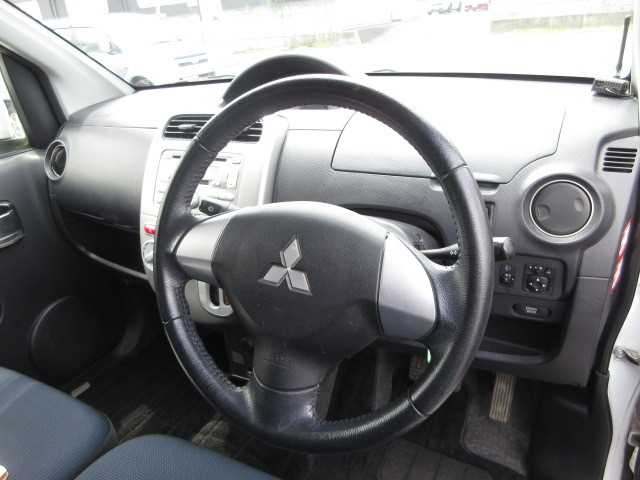
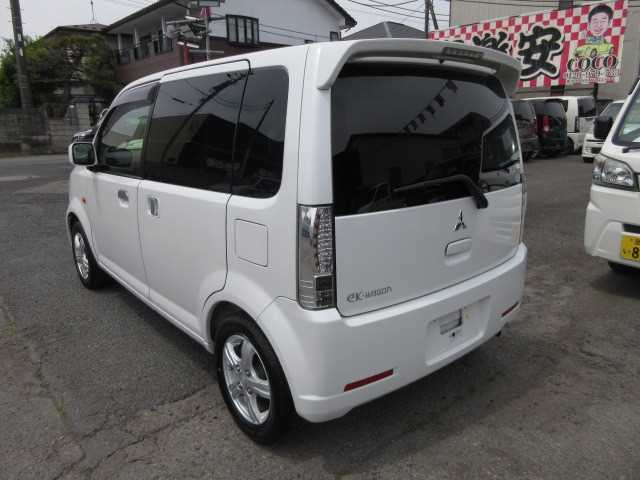
The 2012 MITSUBISHI EK WAGON is a compact and economical vehicle that appeals to a wide range of drivers. However, owning a vehicle is not just about the purchase price; it’s also about the ongoing costs associated with ownership. These costs can vary significantly based on various factors, including location, driving habits, and the condition of the vehicle. In this article, we will explore the key aspects to consider when assessing the ownership costs of a 2012 MITSUBISHI EK Wagon.
1. Initial Purchase Price
The first and most apparent cost of ownership is the initial purchase price. The 2012 Mitsubishi EK Wagon is relatively affordable compared to other vehicles in its class. Prices may vary depending on the seller, location, and overall condition of the vehicle. When buying used, it is essential to research the market value to ensure you pay a fair price. Additionally, prices may also depend on the vehicle’s mileage and maintenance record.
2. Insurance Costs
Insurance is a significant part of ownership costs. The premiums for a 2012 Mitsubishi EK Wagon can depend on your age, driving history, and location. Generally, the EK Wagon has lower insurance costs compared to larger, luxury vehicles. However, various coverage options exist, including liability, collision, and comprehensive insurance. It’s crucial to shop around and compare insurance offers to find the best deal.
3. Fuel Efficiency
The 2012 Mitsubishi EK Wagon is known for its impressive fuel efficiency. With an average of around 20 km/l, this vehicle is economical for daily commuting and longer trips. Fuel prices vary significantly from one location to another, which can affect your overall fuel expenditure. Consider your driving habits—long commutes or extensive city driving may lead to higher fuel costs.
4. Maintenance and Repair Costs
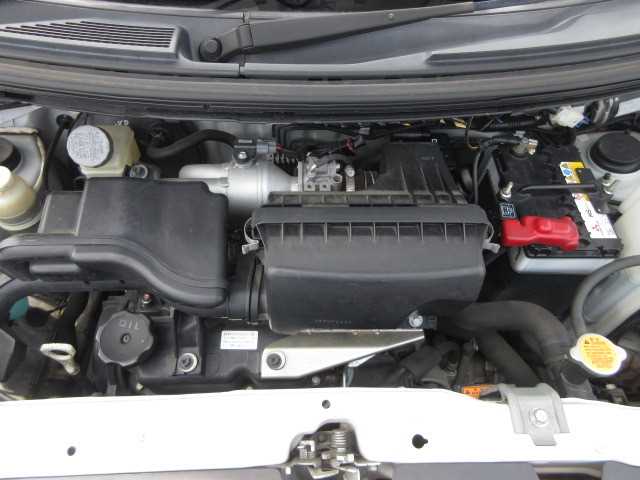
Another vital factor in ownership costs is maintenance and repair. Generally, Mitsubishi vehicles are known for their reliability, but regular maintenance is still crucial for longevity and performance. Typical maintenance tasks include:
- Oil changes
- Brake pad replacements
- Tire rotations and replacements
- Fluid checks and replacements
While these costs can vary based on your location and the service provider, budgeting for regular maintenance is key to preventing larger, more expensive repairs down the road.
5. Depreciation
Like all vehicles, the 2012 Mitsubishi EK Wagon will depreciate over time. Depreciation refers to the decline in the vehicle’s value from the time of purchase. Factors influencing depreciation include market demand, vehicle condition, and mileage. Being mindful of depreciation is crucial, especially if you plan to sell or trade in the vehicle in the future.
6. Taxes and Registration Fees
When purchasing and owning a vehicle, there are often associated taxes and registration fees that vary by location. Some states or countries may have higher vehicle taxes or specific fees based on emissions or engine size. It’s essential to consider these costs when calculating the total ownership expenses.
7. Financing Costs
If you decide not to purchase the car outright and opt for financing instead, you’ll need to include interest payments as part of the total cost of ownership. Depending on your creditworthiness and the terms of the loan, financing can add a significant amount to your overall expenses.
Final thoughts
Understanding the total ownership costs of a 2012 Mitsubishi EK Wagon is vital for budgeting and financial planning. While the initial purchase price may be appealing, it’s essential to consider ongoing expenses such as insurance, fuel, maintenance, and depreciation. By being aware of these costs and planning accordingly, you can make a more informed decision about whether this vehicle meets your needs and financial situation. Taking proactive measures can lead to more satisfactory ownership experiences.
FAQs
1. What is the average fuel economy for a 2012 Mitsubishi EK Wagon?
The average fuel economy is around 20 km/l, making it an economical choice for drivers.
2. How much does insurance typically cost for this vehicle?
Insurance costs can vary widely based on your location, driving history, and coverage options. On average, smaller vehicles like the EK Wagon tend to have lower premiums.
3. What maintenance should be performed regularly?
Regular maintenance includes oil changes, brake checks, tire rotations, and fluid replacements. Keeping up with these tasks helps maintain the vehicle’s longevity.
4. How much does the 2012 Mitsubishi EK Wagon depreciate?
Depreciation rates vary based on condition and market demand, but typically, vehicles depreciate between 15-20% of their value each year.
5. Are there specific taxes and registration fees I should be aware of?
Yes, taxes and registration fees vary by location. It’s essential to inquire about these costs at your local vehicle registration office.


