

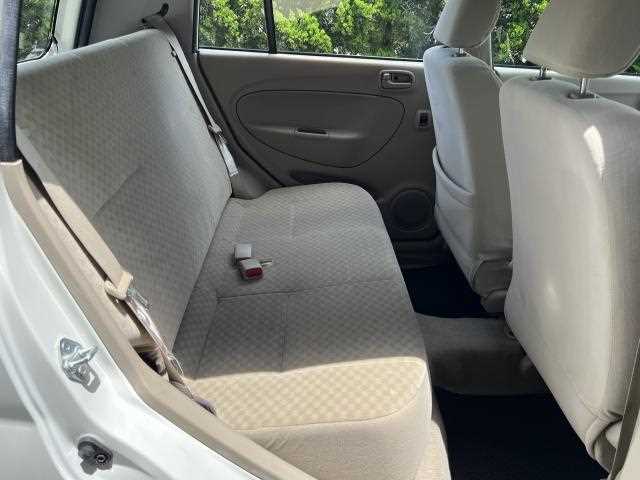
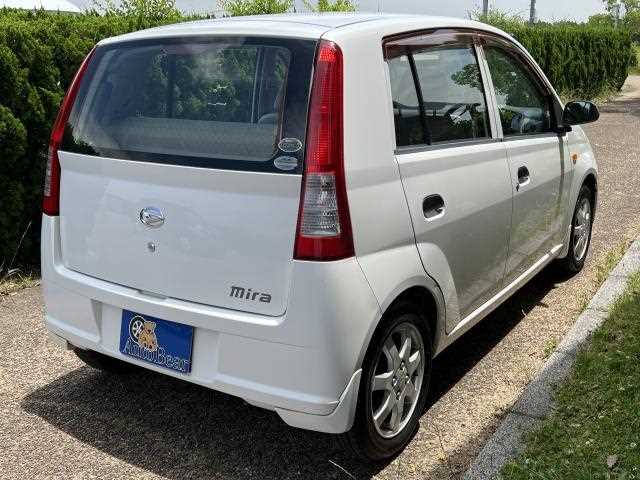
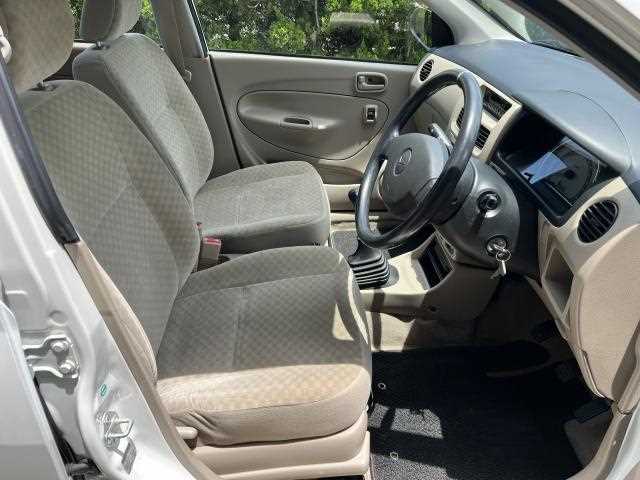
The DAIHATSU MIRA is a classic kei-car: small, frugal, and remarkably simple. A thoughtfully maintained 2005 Mira can remain dependable for many more years. This practical guide focuses on the core maintenance tasks that keep the little car running, plus small, sensible upgrades that enhance durability, economy and safety without “breaking” the car or its character.
Basic maintenance priorities (what to do and when)
- Engine oil and filter: Change every 5,000–8,000 km or every 6–12 months depending on use and oil type. Use the viscosity recommended in the owner’s manual — older engines benefit from stable, quality oil.
- Air filter: Inspect at every service and replace every 15,000–30,000 km or sooner if you drive on dusty roads. A clean air filter improves fuel economy and engine longevity.
- Spark plugs: Replace every 30,000–60,000 km depending on type (copper vs iridium). Worn plugs reduce economy and smoothness.
- Cooling system: Check coolant level and hoses regularly. Flush and replace coolant every 2–4 years to prevent corrosion and overheating.
- Transmission & driveline: Check gearbox/transmission fluid levels and condition. With manuals change fluid every 40,000–60,000 km. CVTs require specific fluids and interval care—follow the manual and prefer a specialist for CVT service.
- Brake system: Replace pads and fluid as needed; change brake fluid every 2 years. Inspect rotors/drums and handbrake cables.
- Tires and alignment: Maintain correct tire pressure (improves economy and tyre life). Rotate tires and check alignment every 10,000–15,000 km.
- Battery: Test at least annually. Clean terminals and replace an aging battery before it leaves you stranded.
- Belts and hoses: Inspect for cracks/soft spots and replace per the vehicle schedule. If your Mira uses a timing belt, replace it per manual intervals — if it uses a chain, listen for unusual noise and check tension and guides.
- Rust and underbody: Check wheelarches, sills and floor pans for rust; treat small areas early and consider underbody protection if you live in a salty climate.
Small upgrades that deliver durability, economy and safety
Upgrades should complement the Mira’s simple design and not over-stress the drivetrain. Focus on parts that improve control, longevity and real-world efficiency.
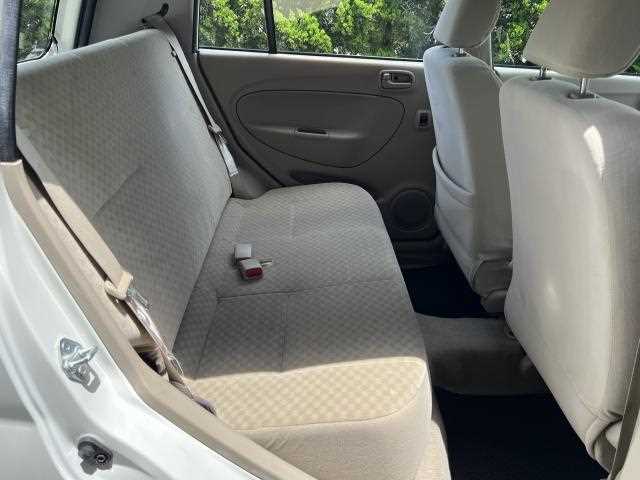
- Quality tires: This is the single best upgrade for safety and economy. Choose all-season tires with good wet grip and low rolling resistance. Proper tires shorten braking distance, improve fuel economy and enhance ride comfort.
- Brake pads and fresh fluid: Fit good quality OEM-equivalent or slightly better pads. Pair with fresh DOT-rated brake fluid to maintain pedal feel and braking performance.
- High-performance air filter or quality OEM replacement: A properly fitting reusable or paper filter improves airflow while keeping contaminants out — small gains in fuel economy and throttle response.
- LED bulbs for exterior lighting: Swap tail/indicator/plate bulbs to LED for reliability and visibility. For headlights, choose high-quality LED conversions that match your housing and legal requirements; avoid overly bright aftermarket kits that dazzle other drivers.
- Modern stereo with Bluetooth + reversing camera: Improves hands-free safety and parking in tight city spaces. Choose a unit that fits the dash to avoid cutting or altering factory trim.
- Upgraded shocks/struts (OEM-style): Replacing tired dampers restores handling and reduces wear on other suspension parts. Stick to proven replacements rather than race-spec items that compromise comfort.
- Battery upgrade: A higher-quality battery with better cold-cranking amps or an AGM type improves starting reliability, especially if you use electronics or drive short trips often.
- Rust protection and seam-sealing: Have visible cavities and sills treated and undersealed in areas prone to corrosion. Small upfront cost saves big repairs later.
- Service parts upgrade: Use OEM or high-quality aftermarket parts for wear items (water pump, thermostat, hoses). Cheaper parts can fail sooner and cause collateral damage.
Practical day-to-day habits
- Keep a basic tool and emergency kit: first-aid, torch, jumper cables, tire repair kit, and a compact jack.
- Drive gently until engine is warmed; avoid extended idling and heavy loads when cold.
- Keep the car tidy and check for drips or new noises weekly — early detection prevents expensive repairs.
- Document maintenance: a log with dates and mileage helps you track service intervals and preserves resale value.
When to see a professional
For anything involving the fuel system, major engine work, CVT servicing, suspension geometry, or airbag/ABS systems, visit a qualified mechanic. DIY is fine for basic tasks (oil, filters, bulbs) if you have the tools and skill, but don’t risk safety-critical repairs.
Cost-effective parts sourcing
Use a mix of OEM and reputable aftermarket parts. Common wear items like filters, wipers, bulbs and brake pads are usually economical. For critical parts—timing components, water pumps, CVT parts—prioritize quality even if they cost more up front.
Final thoughts
Keeping a 2005 DAIHATSU Mira reliable is mostly about consistency: regular fluid changes, sensible inspections, and replacing worn parts before they fail. Small, thoughtful upgrades like quality tires, better brake components, and rust protection provide meaningful improvements in safety and economy without overcomplicating the car. With routine care and conservative enhancements, your Mira can remain an economical, dependable companion for years to come.
FAQs
Q: How often should I change the oil?
A: For an older small engine like the Mira’s, aim for every 5,000–8,000 km or at least once a year, whichever comes first. Use oil grade recommended in the manual.
Q: Is upgrading to LED headlights a good idea?
A: LED bulbs improve longevity and visibility, but ensure the conversion is compatible with your headlight housings and local laws. Poor conversions can create glare for other drivers.
Q: My Mira has a CVT — are there special care tips?
A: CVTs require specific fluid and service intervals. Always use the correct CVT fluid and follow Daihatsu’s recommended service schedule; consider a specialist for CVT drains/refills.
Q: Which single upgrade gives the best safety return?
A: Tires. Good tires improve wet braking, handling and fuel economy more than almost any other small upgrade.
Q: How do I prevent rust on an older Mira?
A: Regularly clean and inspect underbody/wheelarch areas, treat small rust spots early, and consider cavity waxing and underbody coating if you live in a rust-prone area.


