This concise guide provides short, practical answers to common questions about buying and dealing with car dealerships in Uganda. It is aimed at helping first-time buyers, people importing vehicles, and anyone looking for quick, reliable pointers about the local market, legal steps, financing, inspections and after-sales concerns.
Quick FAQs (Short Answers)
1. What kinds of cars do dealerships in Uganda sell?
Dealerships sell new and used passenger cars, pick-ups, SUVs, minibuses and commercial vehicles; used imports from Japan and the UAE are especially common.
Check customer reviews, ask for references, confirm business registration, visit the lot, and verify after-sales support and spare-part availability.
3. Can I finance a car purchase in Uganda?
Yes—banks, microfinance institutions, and SACCOs offer hire-purchase and auto loans; some dealerships provide in-house financing or partner loans.
4. What documents do I need to buy a car from a dealership?
Typically: proof of identity, proof of residence, proof of income, a deposit, and for imports the clearance and duty documents; exact requirements vary by lender and dealer.
5. How does importing a used car into Uganda work?
Import involves purchasing from a foreign seller, shipping, clearing with customs (paying duties, VAT and excise as applicable), and registering the vehicle with local authorities.
6. What taxes and fees should buyers expect?
Expect customs duties, VAT, excise duty on used vehicle imports, registration fees and road licensing; amounts depend on vehicle value, age and engine size.
7. Are used cars from Japan a good choice?
Yes—Japanese used cars are popular for reliability and availability, but check odometer, service history and any salvage or flood damage records before buying.
8. Do dealerships provide warranties on used cars?
Some dealerships offer limited warranties or inspection certificates; independent or wholesale sellers may sell “as is,” so confirm warranty terms in writing.
9. How important is a pre-purchase inspection?
Very important—have an independent mechanic inspect engine, transmission, chassis, electronics and brakes; this prevents costly surprises after purchase.
10. How long does registration take?
Timing varies—if all documents and duties are cleared it can take days to a few weeks to receive plates and logbooks depending on backlog and vehicle origin.
11. What should I negotiate on the price?
Negotiate the vehicle price, dealer fees, trade-in value, and any additional services (inspection, servicing, registration assistance); request a written breakdown of costs.
12. Is insurance mandatory?
Yes—third-party insurance is required. Detailed cover is recommended to protect against theft, damage and third-party claims.
13. What vehicles are best for Uganda’s roads?
Durable SUVs, four-wheel drives and pickups cope better with rough rural roads; compact cars are economical for city driving but may struggle off-road.
14. Are electric vehicles (EVs) practical in Uganda?
EVs are emerging, but limited charging infrastructure and higher initial costs make them less practical for many buyers right now, except in urban fleets with charging access.
15. How do I avoid scams?
Verify vehicle identity numbers, inspect export and customs papers for imports, pay through traceable channels, avoid “too-good-to-be-true” deals, and use reputable escrow or dealer platforms when available.
Practical Tips for Buyers in Uganda
Request full paperwork (export certificate, customs clearance, original logbook) for imported cars before payment.
Test drive and verify VIN and engine numbers against documents.
Compare dealer offers and check spare-part availability locally for your chosen model.
Factor total cost of ownership: fuel, maintenance, insurance, taxes and likely resale value.
Consider hiring a trusted agent or mechanic to assist with import clearance and pre-shipment inspections.
Final thoughts
Buying through a car dealership in Uganda can be straightforward when you know what to look for: reputable sellers, clear documentation, realistic pricing, and proper inspections. Whether you buy locally or import, verify costs up front (duties, VAT, registration), secure suitable financing or insurance, and choose a vehicle that matches local road and usage conditions. Short, focused checks and written agreements will reduce risk and help you get the best value from any dealership transaction.
If you want, I can convert this into a printable brochure, produce a checklist for inspections, or draft sample questions to ask a dealer before you buy.
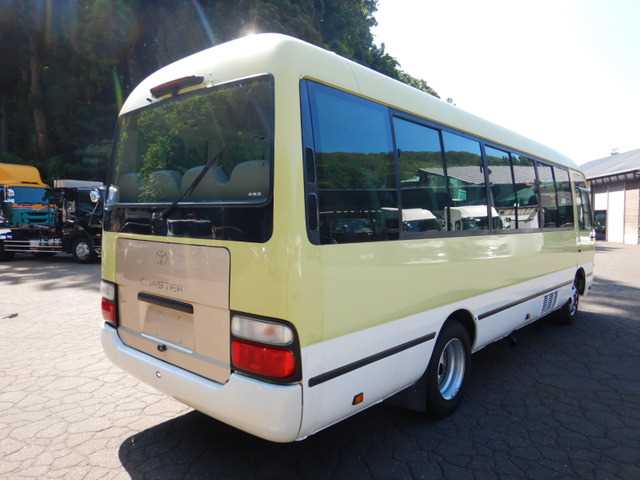
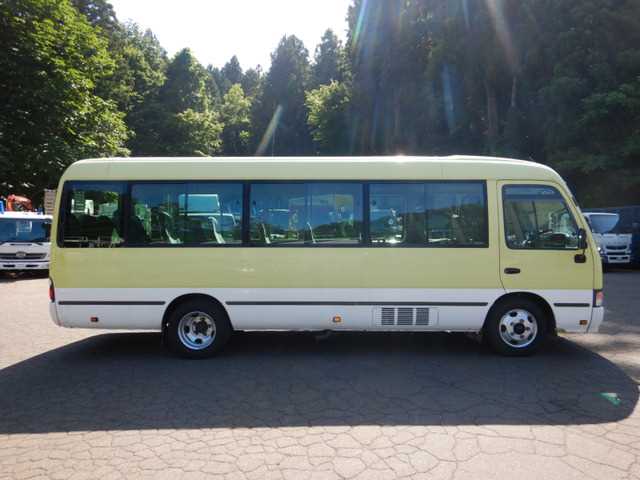
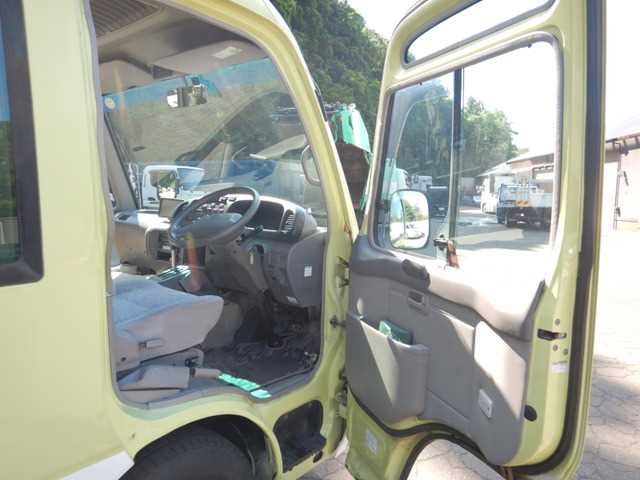
As an experienced car inspector in Uganda, I’ve come across various vehicles suited for our unique commuting needs, and the 2009 Toyota Coaster is often discussed regarding its long-distance capabilities....
As an experienced car inspector based in Uganda, I understand the diverse needs of vehicle buyers in our unique context. The Toyota Coaster 2018 stands out as a viable option...
Family owned dealership of new and pre-owned vehicles with several locations across the Uganda. Lowest prices and the best customer service guaranteed.
You're almost there, select at least one more to compare!
We use cookies to ensure that we give you the best experience on our website. If you continue to use this site we will assume that you are happy with it.
You can revoke your consent any time using the Revoke consent button.