


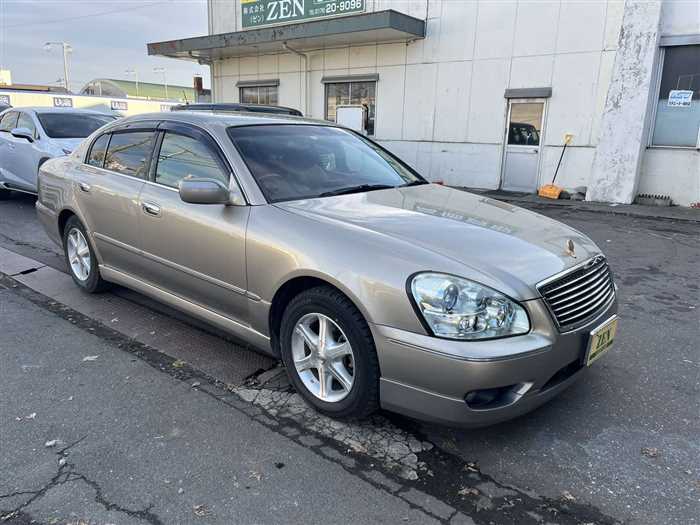
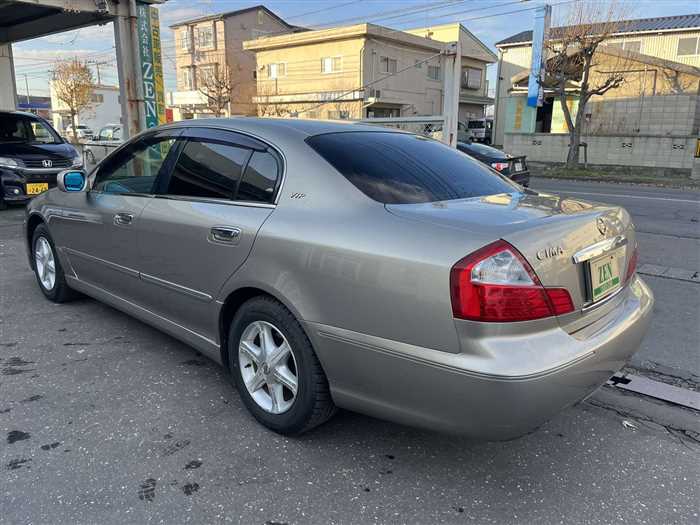
The 2009 NISSAN CIMA is renowned for its luxury features, including a sophisticated air conditioning (A/C) system. However, when considering a used model, it is essential to perform thorough checks, particularly focusing on the A/C system and its associated electrical components. This article will guide you through some focused checks to ensure that you make an informed purchase.
1. Understand the A/C System Components
The A/C system in the 2009 NISSAN Cima comprises several crucial components: the compressor, condenser, evaporator, expansion valve, and associated electrical controls. Familiarizing yourself with these parts is essential as it will help you identify potential issues.

2. A/C Performance Check
One of the first things to assess is the performance of the A/C system:
- Cooling Efficiency: Turn on the A/C while the car is stationary. The air should cool down significantly within a few minutes. If it doesn’t, there may be an issue with the compressor or refrigerant levels.
- Temperature Varieties: Check if the air temperature varies between different settings (e.g., low, medium, high) to ensure that the climate control settings function correctly.
3. Visual Inspection of Components
A visual inspection can often highlight issues that might not be apparent during functional checks:
- Leakage: Look for any signs of refrigerant leaks around the compressor, hoses, and fittings. Puddles or oily residue can indicate leaking fluid.
- Condition of Belts: Inspect the condition of the A/C compressor belt. A worn or cracked belt can lead to decreased performance.
4. Electrical Components and Controls
The A/C system is closely tied to the car’s electronic systems. Here’s what to check:
- Fan Operation: Observe whether the blower motor operates at various speed settings. If it only works on high, the blower resistor might be faulty.
- Dashboard Controls: Ensure that all buttons and knobs for the climate control system work correctly. This includes buttons for temperature settings, air circulation, and defrost options.
- Fuse and Wiring Inspection: Check the fuses related to the A/C system. Frayed wires can also cause significant electrical issues. Look for any signs of wear.
5. Evaporator Issues
The evaporator is often overlooked but can develop issues that may not be easy to identify:
- Fogging or Smells: If the A/C system is generating an odd smell or causing fogging of the windshield, there might be mildew buildup in the evaporator core, suggesting leaks or blockages.
- Drainage and Moisture: Ensure that the A/C drainage system is functioning properly. Any pooling water inside the vehicle could indicate a blockage in the condensate drain.
6. Refrigerant Levels
The refrigerant is essential for the A/C system to function properly:
- Refrigerant Leaks: Occasionally check for low refrigerant levels. If the air isn’t cooling adequately, it might indicate a leak.
- Recharging the System: If the refrigerant seems low, consider if the seller provides maintenance records showing proper servicing, including refrigerant recharges.
Final thoughts
When purchasing a used 2009 Nissan Cima, thoroughly checking the air conditioning system and its associated electrical components is crucial. Ensuring that the A/C system can perform efficiently and effectively will not only contribute to your comfort but also to the overall value of the car. Take your time to conduct these specific checks and don’t hesitate to consult a professional mechanic if you notice anything unusual. An informed decision will lead to a more satisfactory purchase.
FAQs
Q1: How can I tell if the A/C compressor is failing?
A: Common signs include a lack of cold air, strange noises when the A/C is engaged, or visible leaks near the compressor area.
Q2: Is refrigerant recharge a DIY job?
A: While some may attempt to recharge the A/C system at home, it’s recommended to hire a professional, as handling refrigerant can be hazardous and requires proper tools.
Q3: Will electrical problems affect the A/C performance?
A: Yes, electrical issues can lead to malfunctioning components like the blower motor or A/C controls, directly affecting performance.
Q4: How often should I service the A/C system?
A: It’s best to have your A/C system serviced every one to two years, or if you notice any decrease in performance or unusual sounds.


