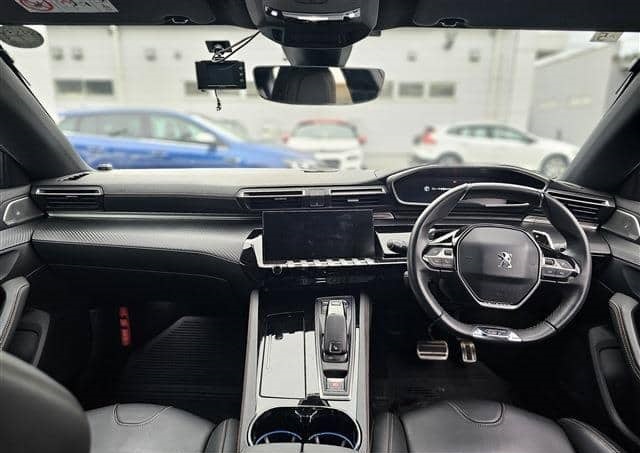
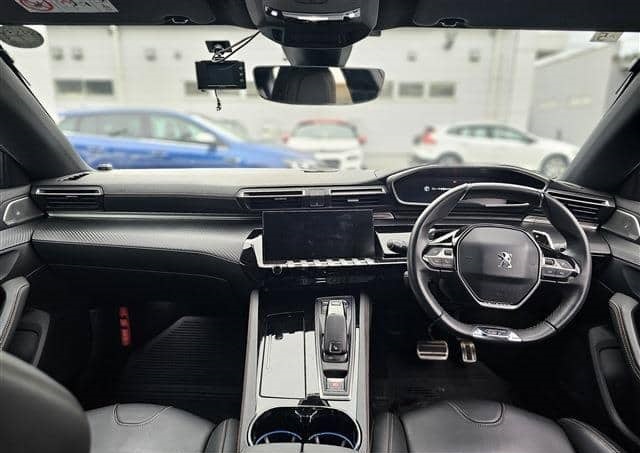
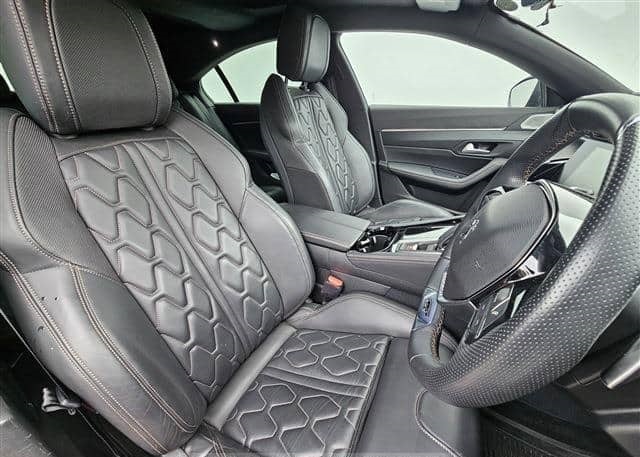
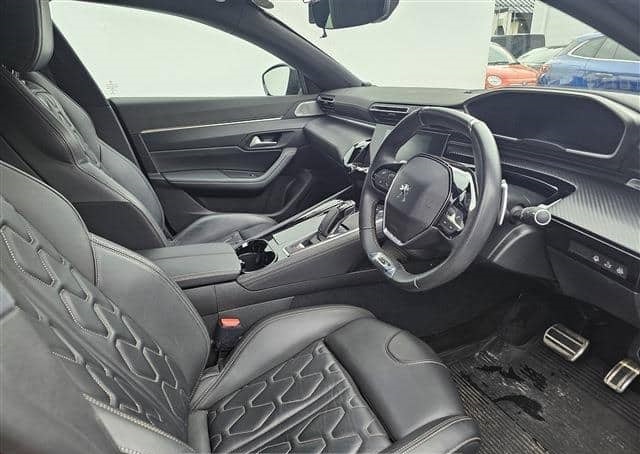
The PEUGEOT 508 GT is a luxurious and stylish mid-size car that boasts high performance and incredible features. However, like any modern vehicle, the 2022 PEUGEOT 508 GT comes equipped with a range of warning lights that signal various aspects of the vehicle’s health and performance. Below is a list of some common warning lights you might encounter in your Peugeot 508 GT, along with their meanings to ensure safe driving.
1. Engine Warning Light
The engine warning light resembles an engine and may indicate a range of issues, from minor to severe. If this light turns on, it’s essential to check the vehicle’s performance, and, if necessary, visit a mechanic for a diagnostic check.
2. Oil Pressure Warning Light
This light looks like a traditional oil can and indicates that the oil pressure is low. It may suggest that the oil level is insufficient or that there’s an issue with the oil pump. Immediate action is recommended to prevent engine damage.
3. Battery Warning Light
Shaped like a battery, this warning light suggests that there may be an issue with the vehicle’s electrical system or battery. If this light appears while driving, examine the battery connections, and consult a professional if the issue persists.
4. Brake Warning Light
This light often appears as an exclamation point within a circle and indicates that the brake system may have an issue. It could signal low brake fluid levels, damaged brake pads, or other serious braking issues that require immediate attention.
5. Tire Pressure Warning Light
A warning light depicting an exclamation point inside a horseshoe shape indicates that one or more tires may be under-inflated. Regularly checking tire pressures is crucial for safety and fuel efficiency.
6. ABS Warning Light
This light resembles the letters “ABS” and indicates a possible malfunction in the anti-lock braking system. While you may still have regular brakes, it’s important to have ABS checked by a professional.
7. Traction Control Light
The traction control light, resembling a car with squiggly lines behind it, indicates when the traction control system is active or when it detects wheel spin. Persistent illumination could signify an issue with the traction control system.
8. Check Engine Light
Similar to the engine warning light, this specific check engine light indicates that the vehicle’s onboard diagnostics has detected an emission system malfunction. It’s advisable to consult a technician promptly.
9. Coolant Temperature Warning Light
This light, shaped like a thermometer immersed in liquid, indicates that the engine temperature is too high. Overheating can lead to severe engine damage, necessitating immediate action.
10. Airbag Warning Light
The airbag warning light, depicted by a person with an inflated airbag, signals a malfunction in the airbag system. Immediate inspection is advisable to ensure user safety.
Final thoughts
Understanding the warning lights in your 2022 Peugeot 508 GT is essential for maintaining optimal vehicle performance and ensuring safety while driving. Always address these warning lights promptly to prevent minor issues from becoming significant problems. Regular maintenance checks and a good understanding of labeled warning indicators can significantly minimize risks.
FAQs
1. What should I do if a warning light comes on while driving?
If a warning light activates while you’re driving, treat it seriously. Check the vehicle manual for specific guidance on the warning light that has appeared and take appropriate action immediately; this might include pulling over safely and contacting a professional if necessary.
2. Are all warning lights serious?
Not all warning lights indicate critical issues; some may simply suggest routine maintenance is needed, while others may signify urgent problems. Refer to the vehicle’s manual for detailed information and assess the urgency based on the individual warning light.
3. Can warning lights turn off on their own?
Yes, sometimes warning lights may turn off after a problem has been resolved (e.g., tire pressure restored to normal levels). However, if a warning light persists or returns, it’s crucial to investigate further to ensure vehicle safety.
4. How often should I check my vehicle’s warning lights?
It’s advisable to check for warning lights during each drive, especially when starting your vehicle. Regular checks can help you stay aware of your Peugeot’s condition and address any issues promptly.
5. Where can I find more information about specific warning lights?
For detailed descriptions and troubleshooting steps for specific warning lights in the 2022 Peugeot 508 GT, consult the vehicle’s owner’s manual or reach out to a certified Peugeot technician.
In the fast-paced world we live in today, where we often find ourselves spending prolonged hours in vehicles or at workstations, the importance of ergonomic seating has never been more...
Automatic transmissions have evolved significantly over the decades, with modern vehicles increasingly utilizing sophisticated designs to enhance the driving experience. One such advancement is the 8-speed automatic transmission, revered for...
When it comes to enhancing the luxury experience of an automobile, the type of upholstery plays a pivotal role. Premium materials like Nappa leather and high-quality fabrics not only elevate...
The PEUGEOT 508 GT 2022 is a striking blend of sophistication and performance, but its suitability for Uganda’s diverse road conditions warrants careful consideration. With its sleek design and advanced...
Family owned dealership of new and pre-owned vehicles with several locations across the Uganda. Lowest prices and the best customer service guaranteed.
You're almost there, select at least one more to compare!
We use cookies to ensure that we give you the best experience on our website. If you continue to use this site we will assume that you are happy with it.
You can revoke your consent any time using the Revoke consent button.