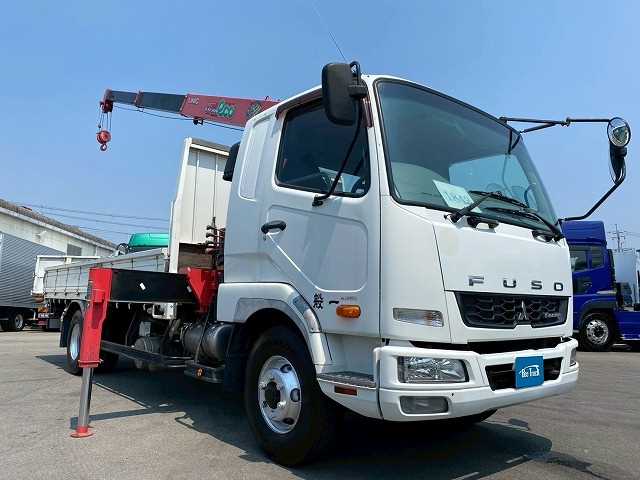
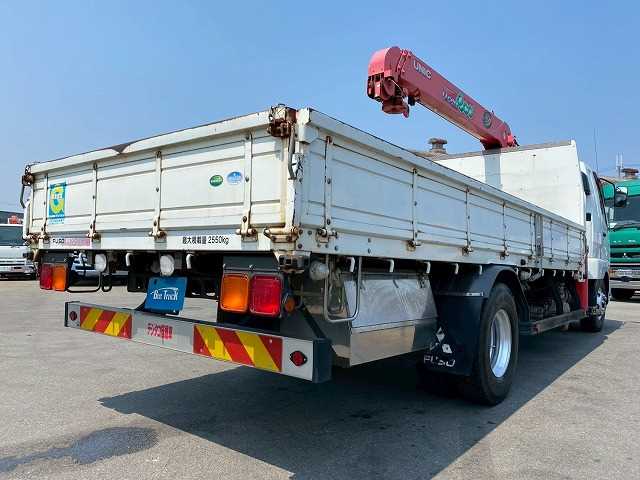
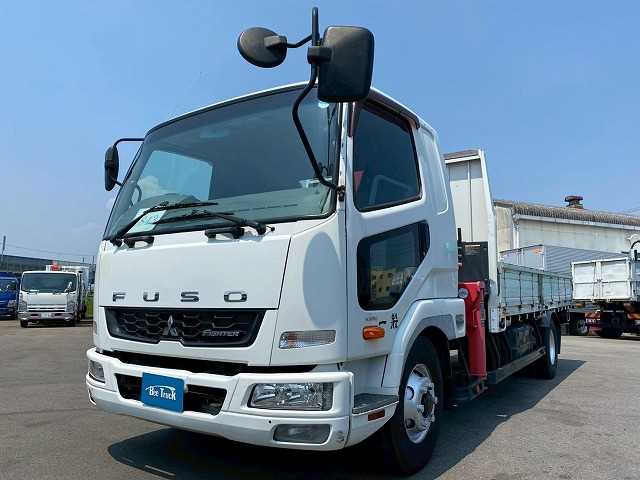
Purchasing a used vehicle, such as a 2016 MITSUBISHI FIGHTER, can be a daunting task, especially when it comes to ensuring that the vehicle is in good condition. One of the critical steps in this process is inspecting the vehicle for accident damage and signs of flooding. This guide will walk you through essential steps you should consider when performing your inspection.
Step 1: Visual Inspection of the Exterior
Begin your inspection by thoroughly examining the exterior of the vehicle:
Check for Painting Anomalies: Look for mismatched paint or overspray, which could indicate repairs from an accident.
Evaluate the Body Panels: Inspect doors, fenders, and the hood for any dents, waves, or gaps that could suggest bodywork was done post-accident.
Examine the Bumpers: Check the front and rear bumpers for cracks, tears, or any signs of recent replacement.
Step 2: Inspect Under the Hood
Next, check under the hood for any signs of problems:
Fluid Leaks: Look for any fluid leaks around the engine or transmission areas.
Corrosion: Check connectors, wires, and other components for corrosion, which may indicate water exposure from flooding.
Inspect for Fresh Parts: Notice any new parts that may have been replaced recently, suggesting prior damage that was repaired.
Step 3: Check the Undercarriage
Examine the undercarriage of the vehicle, as this area can often hide serious issues:
Rust and Corrosion: Inspect for excessive rust, particularly on the frame and suspension components.
Signs of Water Damage: Look for silt or mud accumulation which might suggest the vehicle has been submerged in water.
Examine the Exhaust System: Check for signs of rust or unusual wear that could indicate long-term exposure to water.
Step 4: Interior Inspection
Move to the interior of the 2016 MITSUBISHI Fighter:
Odor Check: Pay close attention to musty or moldy smells that often originate from flood damage.
Inspect Seats and Carpets: Check for water stains, discoloration, or dampness.
Look at Electrical Components: Test all electrical systems, such as windows, locks, and infotainment systems, to ensure they are functioning properly.
Step 5: Test Drive the Vehicle
A test drive is crucial to assessing the vehicle’s overall performance:
Noises and Vibrations: Listen for unusual noises or vibrations while driving, which could indicate mechanical issues.
Braking Performance: Ensure that the brakes function smoothly without any grinding or unusual feeling.
Transmission Response: Pay attention to how the vehicle shifts through gears; any hesitation may suggest issues.
Step 6: Review Vehicle History Report
Finally, it’s crucial to obtain a vehicle history report:
Accident Reports: Check for any recorded accidents or damage in the report.
Flood Damage: Some reports specifically indicate if a vehicle has a history of flood damage.
Service Records: Reviewing service records can help you understand the maintenance history of the vehicle.
Final thoughts
Inspecting a 2016 Mitsubishi Fighter or any vehicle requires a keen eye and attention to detail. By following these steps—performing a thorough visual inspection, checking under the hood, inspecting the undercarriage, examining the interior, taking a test drive, and reviewing the vehicle history report—you can significantly reduce the risk of purchasing a vehicle with hidden accident damage or flood signs. Always trust your instincts and do your due diligence when evaluating used vehicles for purchase.
FAQs
1. What should I do if I find signs of previous accidents?
If you find evidence of previous accidents, consider having a professional mechanic inspect the vehicle for further damage. Depending on the severity of the damage and repairs, you may decide to move on to another vehicle.
2. How can I tell if a vehicle has been in a flood?
Look for signs such as rust in unusual places, stains on upholstery, and a lingering musty odor. Beyond that, a vehicle history report can provide essential insights into whether a vehicle has been classified as flood-damaged.
3. Should I get a professional inspection?
Yes, especially if you’re not confident in your ability to identify potential issues. A professional can give you a comprehensive evaluation and help ensure you’re making a sound investment.
Every vehicle comes with an owner’s manual that outlines the recommended service intervals and maintenance practices. Following this schedule is crucial for ensuring the longevity and reliability of your vehicle....
When it comes to choosing a vehicle, the engine is one of the most vital components to consider. The reliability of an engine can significantly influence the longevity and performance...
When it comes to assessing the quality of a vehicle’s paint, a meticulous eye is paramount. The paint not only enhances the visual appeal of the vehicle but also protects...
Understanding a vehicle’s mileage is crucial for a variety of reasons, such as estimating its age, planning maintenance, or determining its resale value. The most straightforward way to check your...
Family owned dealership of new and pre-owned vehicles with several locations across the Uganda. Lowest prices and the best customer service guaranteed.
You're almost there, select at least one more to compare!
We use cookies to ensure that we give you the best experience on our website. If you continue to use this site we will assume that you are happy with it.
You can revoke your consent any time using the Revoke consent button.