

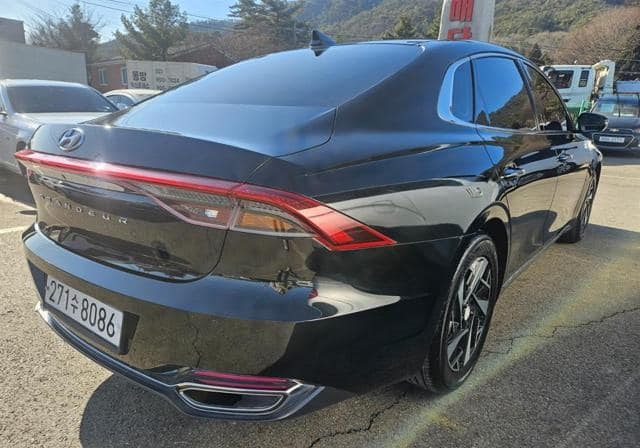
that cater to different segments of the automotive market. When contemplating these models, it’s
essential to evaluate various factors such as insurance, financing options, budgeting, risk checks, and
long-term value. This article will provide an in-depth look into each aspect to assist prospective buyers
in making an informed decision.

Insurance Considerations
The insurance costs associated with both the Tucson and Grandeur can vary significantly based on several
factors. Generally, insurance companies consider the vehicle’s make, model, age, safety features,
repair costs, and likelihood of theft when calculating premiums.
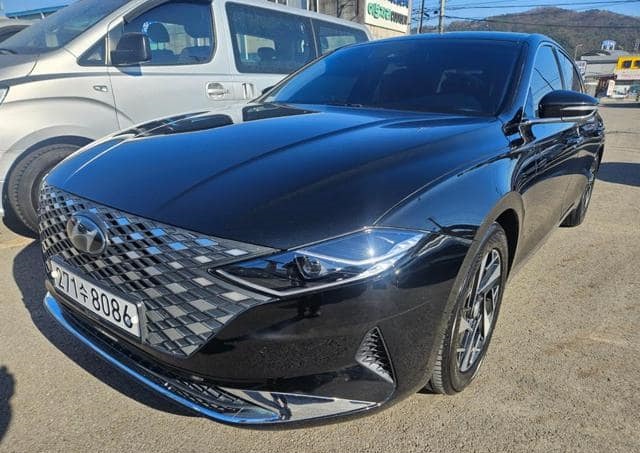
HYUNDAI Tucson: As a compact SUV, the Tucson typically falls into a lower insurance
bracket due to its favorable safety ratings and lower repair costs. Families often gravitate toward the
Tucson because of its spacious interior and family-friendly features, which can lead to potential
discounts on insurance policies.

Hyundai Grandeur: Given that the Grandeur is positioned as a premium sedan, its
insurance costs may be higher. Luxury vehicles often come with increased insurance due to their higher
replacement values and more expensive repair parts. However, the Grandeur’s safety features may mitigate
some costs. When assessing your insurance options, consider obtaining quotes for both models to see which one fits
your budget better.
Financing Options
Financing plays a crucial role in your purchasing decision. Both the Hyundai Tucson and Grandeur can be
financed through various methods, including traditional bank loans, credit unions, and dealership financing.
Understanding the terms and interest rates applicable to your preferred financing option will affect your
overall expenses. Hyundai Tucson: The Tucson often appeals to a broader audience, which may mean lower
interest rates due to competition among lenders. Many dealers offer special financing deals and promotions,
which can ease the budgeting process for buyers. Hyundai Grandeur: The financing packages for the Grandeur could vary based on its luxury
status. Buyers should ensure they are comfortable with the loan terms and not just focus on what monthly
payment they can afford. It’s advisable to shop around for financing options and compare rates to ensure you are getting the best
deal possible for your chosen model.
Budgeting for Ownership
When budgeting for car ownership, you should not only consider the purchase price but also maintenance,
fuel, and insurance costs. Hyundai Tucson: The Tucson is often celebrated for its excellent fuel efficiency,
making it a cost-effective choice for daily driving. Additionally, Hyundai’s reputation for reliability
typically translates to lower maintenance costs over time. Hyundai Grandeur: While it provides luxury and comfort, budgeting for the Grandeur
must include higher potential maintenance and operating costs. As parts and specialized services may be
required, it’s wise to be prepared for possible expenses. Ensure that you factor in all potential costs to avoid surprises down the road.
Risk Checks and Reliability
Reliability ratings play a pivotal role when choosing between the Tucson and Grandeur. A thorough risk
assessment, including considering the vehicle’s history and potential issues, can provide insight into
long-term ownership experiences. Hyundai Tucson: Known for its strong performance and reliability, the Tucson enjoys high
safety ratings and has proven to be a dependable option for many drivers. Consumer reports often highlight
its longevity and resale value. Hyundai Grandeur: While also reliable, it is essential to check for any model-specific
issues that may have arisen since its inception. Consulting forums, consumer reports, and professional
reviews can aid in understanding any potential risks involved with ownership. Performing a risk check can lead to valuable insights and alleviate concerns about reliability.
Long-Term Value
The long-term value of a vehicle is crucial for overall cost-effectiveness. Vehicles that retain their
value over time minimize the financial impact when it comes time to sell or trade in. Hyundai Tucson: Due to its popularity, the Tucson generally holds its value well.
Factors such as demand in the used car market, reliability, and consistent maintenance can ensure a good
return on investment in the future. Hyundai Grandeur: Typically, luxury sedans can depreciate faster than their SUV
counterparts. However, if well-maintained and with limited production numbers, Grandeurs can retain value
better than some competitors in its category. Ultimately, understanding the projected depreciation of each model is crucial when evaluating long-term
value.
Final thoughts
When deciding between the Hyundai Tucson and the Grandeur, several key factors should be considered:
including insurance costs, financing options, budgeting for ownership, risk checks, and long-term value.
While the Tucson offers affordability and high reliability, the Grandeur caters to those seeking luxury
and comfort. Evaluating personal priorities and needs will aid in making the best choice for your lifestyle.
Frequently Asked Questions (FAQs)
1. Which model is more fuel-efficient?
The Hyundai Tucson generally offers better fuel efficiency than the Grandeur, making it a more economical choice for daily commuting.
2. Are insurance rates higher for luxury vehicles like the Grandeur?
Yes, luxury vehicles such as the Grandeur often come with higher insurance premiums due to increased repair costs and higher replacement values.
3. How do maintenance costs compare between the two models?
The Tucson typically has lower maintenance and repair costs compared to the Grandeur, which may require more specialized service.
4. Is the resale value higher for the Tucson or Grandeur?
Generally, the Tucson retains its value better than the Grandeur due to its popularity and reliability, but this can vary based on market demand.
5. What financing options are available for both models?
Both can be financed through banks, credit unions, and dealer financing, but terms may vary; it’s essential to shop around for the best rates.


